HomeCategory

PCB Manufacturing Services | High-Quality PCB & PCBA - KKPCB

What is Flexible PCB Assembly: Advantages and Process

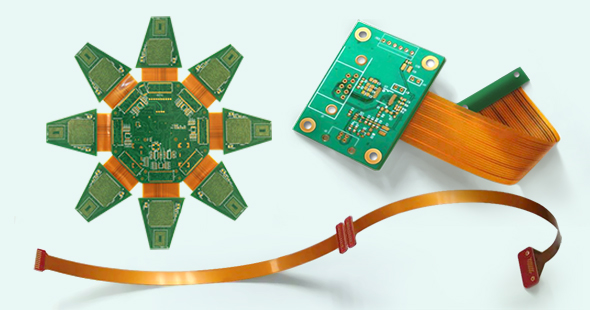
Flexible printed circuit boards (PCBs) are a cornerstone of modern electronics, found in devices like smartphones, cameras, and electric vehicles. Unlike traditional rigid PCBs made from FR4 (flame retardant material), flexible PCBs utilize polymer substrates such as polyimide, resulting in their signature amber or orange appearance. These boards offer enhanced versatility, lighter weight, and better adaptability...

Comprehensive Guide to RF PCB Design

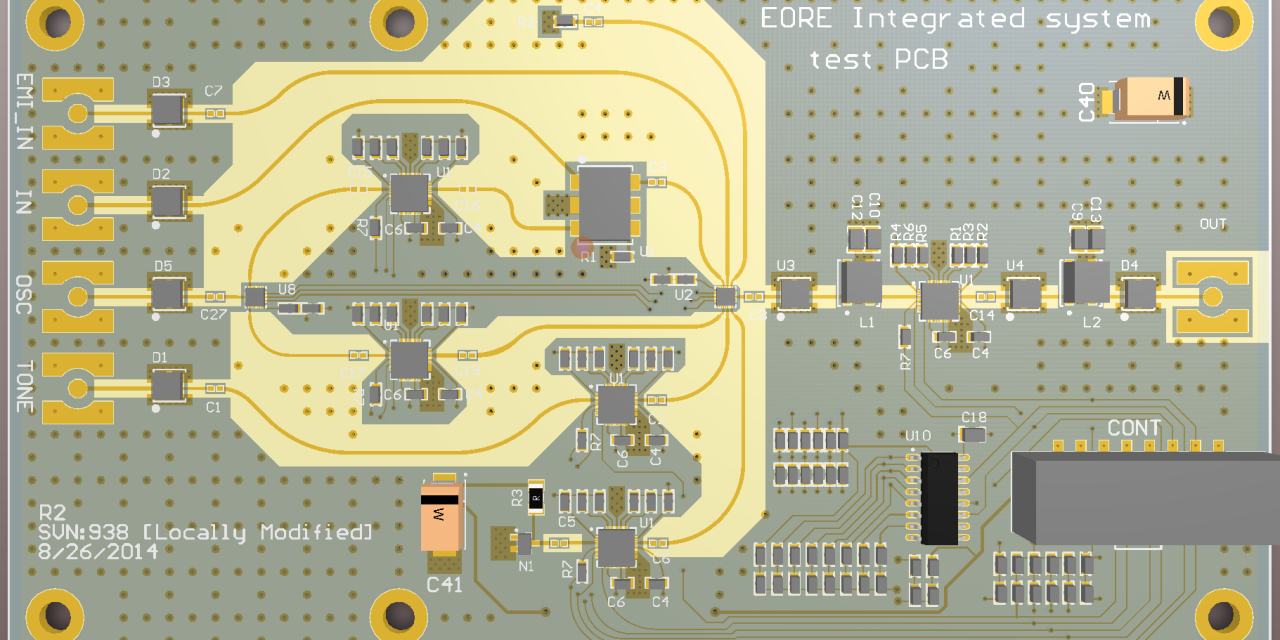
With the rapid development of wireless communication, radar systems, IoT devices, automotive electronics, and satellite communication technologies, RF (Radio Frequency) PCB design has become increasingly important in modern electronic systems. Unlike conventional digital PCBs, RF PCBs operate at high frequencies where even small variations in: Material properties Trace geometry Layer structure Grounding design Manufacturing tolerance...

Annular Ring in PCB: Key Considerations for Design and Manufacturing

In PCB design and manufacturing, every detail of the circuit structure can influence the reliability and performance of the final product. Among these details, the annular ring is a critical but often overlooked factor that directly affects via reliability, electrical connectivity, and manufacturing yield. The annular ring refers to the copper area surrounding a drilled...

How to Choose the Right Material for Flexible LED PCB

Introduction: Why Material Selection Matters in Flexible LED PCB In modern LED lighting applications, selecting the right material for a flexible LED PCB is critical to achieving optimal thermal performance, flexibility, and long-term reliability. As LED products continue to evolve toward thin, lightweight, and bendable designs, the importance of choosing the correct flexible PCB material...

What to Look For When Choosing a Fast Flex PCB Manufacturer

As electronic products continue to evolve toward miniaturization, lightweight structures, and higher integration, flexible printed circuit boards (Flex PCBs) have become an essential technology for modern electronic systems. Compared with traditional rigid PCBs, Flex PCBs offer unique advantages: Three-dimensional assembly capability Reduced product thickness and weight Improved space utilization Fewer connectors and wiring components Better...

How to Choose the Right Flexible PCB Material for Your Project

Printed Circuit Boards (PCBs) are the backbone of all electronic devices, akin to how cells are the foundation of the human body. As the structural framework of every electronic product, PCBs must be efficient and well-constructed. Therefore, selecting the right PCB material is crucial, as it significantly impacts the product’s efficiency, performance, durability, and reliability. Choosing the appropriate...

The Impact of IoT on PCB Design and Manufacturing

Introduction The Internet of Things (IoT) is revolutionizing industries worldwide, and its influence on Printed Circuit Board (PCB) design and manufacturing is profound. As IoT devices become more compact, efficient, and interconnected, the demand for innovative PCB designs has surged. This blog delves into how IoT is transforming PCB design and manufacturing, the challenges it poses, and...

Copper Core PCB: A Revolution in the Electronics Industry

With the rapid development of high-power electronics, electric vehicles, LED lighting, renewable energy systems, and advanced industrial equipment, thermal management has become one of the most critical challenges in electronic product design. As electronic components become more compact while power density continues to increase, traditional FR-4 PCBs may face limitations in heat dissipation performance. Copper...

Semi-Rigid PCBs: The Future of Compact and Durable Electronics

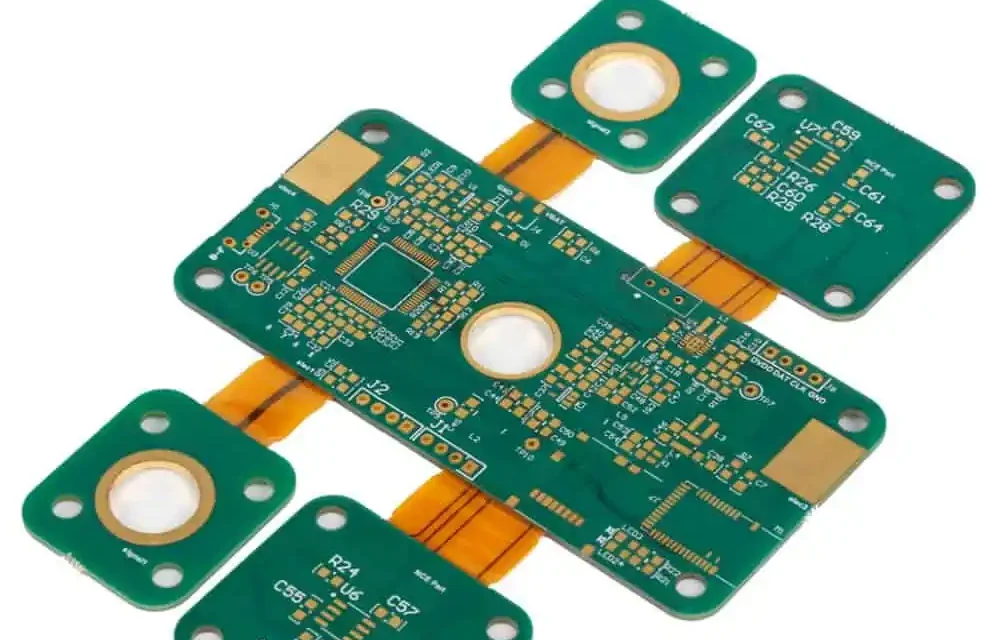
With the continuous evolution of electronic products toward miniaturization, lightweight design, and higher reliability, traditional rigid PCBs and flexible PCBs each face certain limitations in advanced applications. Rigid PCBs provide excellent mechanical strength and dimensional stability but lack flexibility for complex installation environments. Flexible PCBs offer excellent bending capability and space utilization but may not...

HDI PCB Design: Comprehensive Guidelines, Processes, and Considerations

With electronic products continuing to evolve toward smaller dimensions, higher functionality, and faster signal transmission, traditional PCB technologies are increasingly challenged by limitations in routing density and component integration. High Density Interconnect (HDI) PCB technology provides an effective solution by using advanced interconnection structures such as: Microvias Blind vias Buried vias Fine-line traces High-density layer...