HomeCategory

Advanced Engineering Technologies for PCB & PCBA Solutions - KKPCB

How to Reduce Rigid-Flex PCB Cost?

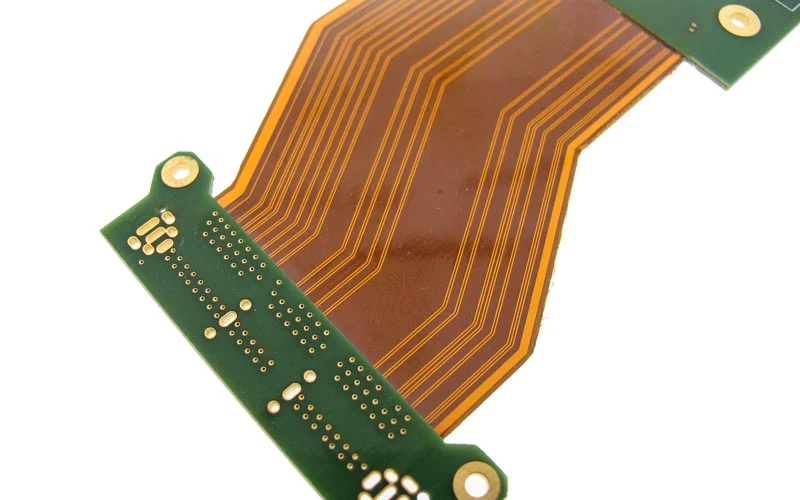
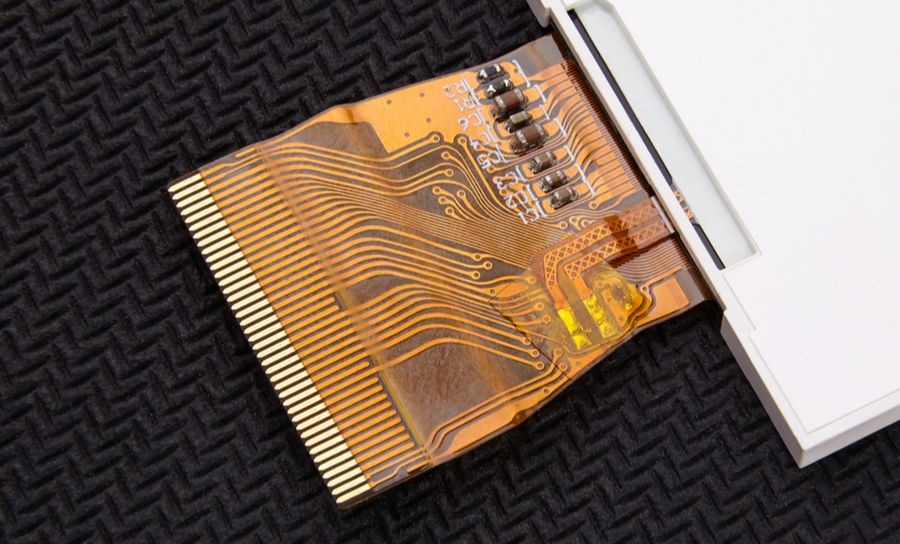
Rigid-flex PCB boards are one of the most widely used printed circuit boards for industrial applications. Their versatility is one of the main reasons for their popularity. They are made of a mix of rigid board and flex circuits, which means that the manufacturing method is similar to that of rigid board, but the circuit has a flexible...

The Role of PCB Technology in Industrial Robots and Its Future Potential

In the era of smart manufacturing, industrial robots are transforming the production landscape with enhanced efficiency, precision, and safety. Central to this evolution is the indispensable role of printed circuit boards (PCBs). Acting as the “nervous system” of robots, PCBs support signal transmission, control functions, and intelligent decision-making. As robotics technology advances, so too does...

The Fusion of Humanoid Robotics and PCB Technology

The emergence of humanoid robots, equipped with human-like movement, perception, and intelligence, represents the next frontier of robotics. Central to this development is the advancement of printed circuit boards (PCBs) which enable the intricate control, decision-making, and sensing capabilities of these robots. 1. PCB’s Role in Humanoid Robotics In humanoid robots, PCBs serve as the foundation for...

How to Make High-Frequency PCB?

PCB is one of the essential components and devices in electronics due to its wide availability and simplicity. Among the various types and forms of PCB, high-frequency PCB is widely used due to its general purpose. What is High-Frequency PCB? A high-frequency PCB is very similar to any other form of PCB (printed circuit board). It is compatible with...

High-Precision PCB Manufacturing: How to Optimize Data Acquisition and Signal Processing Capabilities for Control Boards

In modern electronic devices, the performance of control boards directly impacts the reliability and accuracy of the entire system. Whether in industrial automation, medical devices, or consumer electronics, data acquisition and signal processing boards (DAQ and Signal Processing PCBs) play a crucial role. To ensure that the system can efficiently and accurately process signals from...

Infrared Thermal Imaging in the Electronics Industry: Optimizing Thermal Management and Enhancing Performance

In modern electronics manufacturing and PCB assembly, effective thermal management is critical for ensuring system performance, reliability, and longevity. As electronic devices become more compact and powerful, heat generation increases significantly, making temperature control a key engineering challenge. Infrared thermal imaging technology has emerged as a powerful tool for analyzing and optimizing thermal behavior in...

Issues to Consider in the Production of High-Frequency Microwave Printed Circuit Boards (PCBs)

Engineering Context / Abstract High-frequency microwave PCB production requires tighter material, geometry, and process control than conventional FR-4 fabrication because the board itself forms part of the RF transmission structure. At microwave and millimeter-wave frequencies, small changes in dielectric constant, dielectric thickness, trace width, copper profile, via geometry, solder mask, or surface finish can alter...

What is the difference between immersion gold and gold plating in PCB?

Surface finishes in PCBs are vital for ensuring solderability, electrical conductivity, and corrosion resistance. They help components bond securely to the board, ensure smooth signal flow, and protect the PCB from environmental damage. Without a proper surface finish, a PCB may not function correctly or could wear out faster. Immersion Gold (ENIG) and Gold Plating are two popular gold...