kkpcba-Cindy - KKPCB - Page 19 of 66
 
HomeAuthor

kkpcba-Cindy - KKPCB - Page 19 of 66

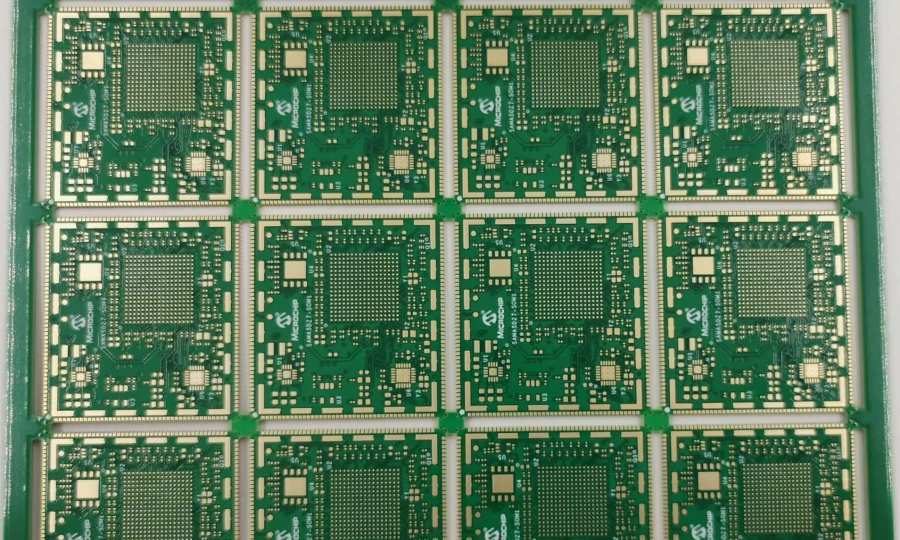
Benefits of Using HDI Technology

HDI technology offers several benefits that can improve project outcomes compared to other options. With the right design and the right supplier, using HDI boards in your product can improve the overall quality and performance of your product, as well as customer satisfaction and profits. Other benefits include Smaller Size and Lighter Weight: With HDI boards, you can...

Overview of Copper Foil for PCB Laminates

Copper foil used in the PCB industry is more complex than you might think. Copper is both an excellent conductor of electricity and an excellent conductor of heat, making it an ideal conductor for most PCB applications. Copper foil has many other properties that are important for engineers to understand. The copper foil used in the PCB...

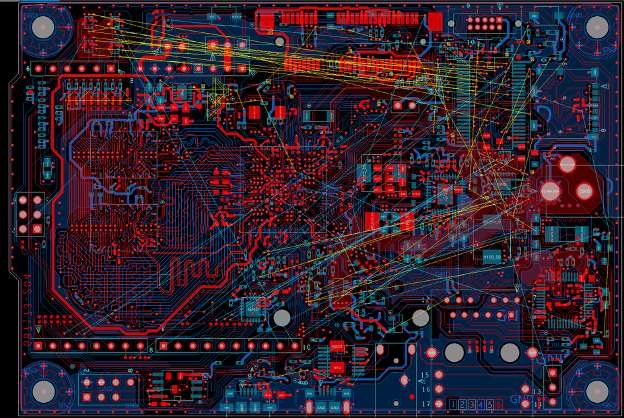
About PCB Layer Stackup

A PCB Layer Stackup refers to the arrangement of conductive copper layers and insulating dielectric materials that make up a multilayer PCB. In the era of high-speed digital electronics and 5G, the stackup is no longer just a mechanical carrier; it is a critical tool for managing signal integrity, power distribution, and electromagnetic compatibility (EMC). A well-engineered stackup from KKPCB ensures...

Advantages of Using Aluminum-Based PCBs

Each rigid and flexible printed circuit board (PCB) design is different and can be customized based on the purpose of the board. The same is true for the PCB substrate – fiberglass is a commonly used substrate, but aluminum-based PCBs are also very effective in many industrial applications. Aluminum-based PCBs consist of a metal-based, copper-clad laminate that provides high...

Why You Need Rigid Flexible Circuits From KKPCB

These PCBs create a more challenging design for rigid-flex manufacturers, but we’ve been able to supply successful designs with full compliance and reliability. By engineering these in a 3D environment, we’re able to achieve spatial efficiency and incorporate folds and flexes to help you meet the desired shape that works best with your application. A rigid-flex printed...

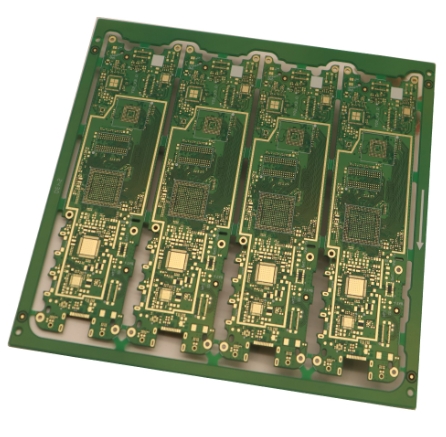
What is an HDI printed circuit board?

HDI printed circuit board have a higher density per unit circuit than traditional PCBs. They use a combination of buried and blind vias and microvias (0.006 inches in diameter or less). A high-density board is a PCB that has one or more of the following features: Through and buried vias Through surface-to-surface vias At least...

What is the difference between flexible PCB and just scratching the printing circuit board?

1. What Is a Flexible PCB? A flexible PCB (Flex PCB) is a specially engineered printed circuit board made from flexible materials such as polyimide. It is designed to bend, twist, or fold without damaging the circuit. Key Characteristics: Built on flexible substrates (e.g., polyimide) Designed for dynamic or static bending High reliability under mechanical...

N4800-20 High-Speed Multifunctional Epoxy Laminate & Prepreg

As the demand for high-bandwidth data transmission and 5G infrastructure grows, the choice of PCB base materials becomes a critical factor in system performance. N4800-20, developed by Nelco, is a high-speed, multifunctional epoxy laminate and prepreg system designed specifically for the next generation of high-speed digital (HSD) applications. It offers a unique balance of thermal reliability and superior signal integrity, making...