HomeAuthor

kkpcb04重试  错误原因 - KKPCB - Page 5 of 103

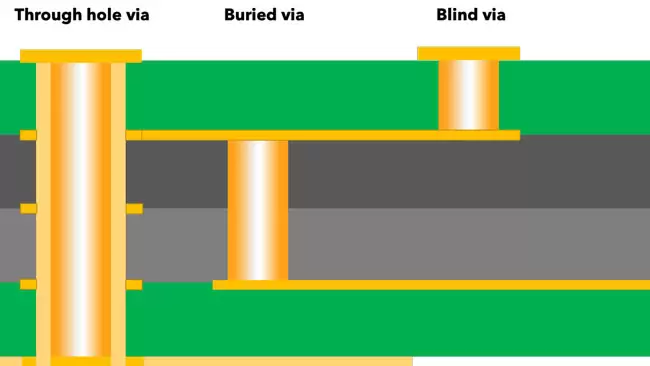
Buried Via PCB: Advanced Multilayer PCB Technology for High-Density Interconnection Design

1. Why Buried Via PCB Technology Is Essential for Modern Electronics As modern electronic products continue evolving toward: Smaller device size Higher circuit density Faster signal transmission More complex multilayer PCB structures traditional through-hole PCB technology is increasingly limited in: Routing space Signal integrity High-speed PCB performance Component density To overcome these limitations, manufacturers increasingly...
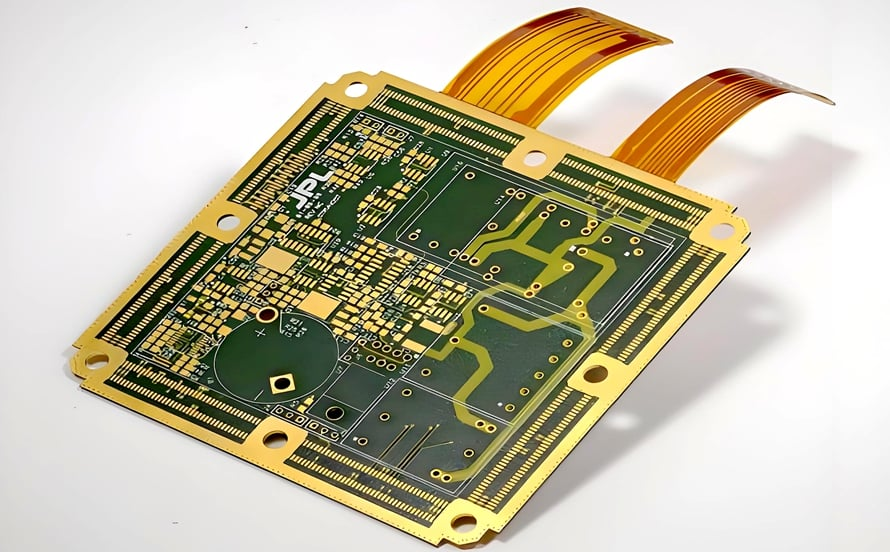
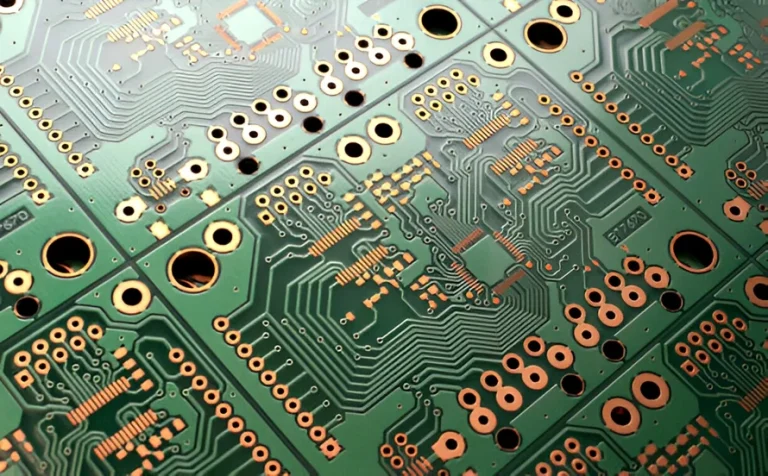
Rigid-Flex PCB: Advanced Flexible and Rigid PCB Solutions for Compact High-Reliability Electronics

1. Why Rigid-Flex PCB Technology Is Transforming Modern Electronics As electronic devices continue evolving toward: Miniaturization Higher integration density Lightweight structures Greater functional complexity traditional PCB interconnection methods are increasingly limited in: Space utilization Mechanical reliability Assembly flexibility To overcome these limitations, manufacturers increasingly adopt Rigid-Flex PCB technology, which combines: Rigid PCB structures Flexible circuit...

Low Dissipation Factor PCB: High-Speed and High-Frequency PCB Solutions for Low Signal Loss Applications

1. Why Low Dissipation Factor PCB Is Critical in Modern Electronics As modern electronic systems continue advancing toward: Higher operating frequencies Faster data transmission speeds Greater signal density More compact RF modules PCB materials play a critical role in determining: Signal transmission quality RF efficiency High-speed communication stability In applications such as: 5G and 6G...

Duroid 6010 PCB: High Dielectric Constant PCB Material for RF, Microwave, and Radar Applications

Why Duroid 6010 PCB Is Important in High-Frequency Electronics Modern RF and microwave systems continue evolving toward: Higher operating frequencies Greater integration density Smaller RF module sizes More complex radar architectures These advanced systems require PCB materials capable of delivering: Stable dielectric performance Low RF signal loss Reliable thermal stability Precise impedance control In applications...

Robotics PCB: Advanced PCB Solutions for Industrial Robots and Intelligent Automation Systems

1. The Growing Importance of Robotics PCB Technology   The rapid development of: Industrial automation Smart manufacturing AI-powered robotics Autonomous systems Intelligent motion control has significantly increased the demand for high-performance Robotics PCB solutions. Modern robots require highly integrated electronic systems capable of: Real-time signal processing Precision motor control Stable power distribution High-speed communication Long-term...

TLY-5 PCB: High-Frequency Low-Loss PCB Material for RF and Microwave Applications

1.Why TLY-5 PCB Materials Are Important in RF Electronics As RF and microwave systems continue evolving toward: Higher operating frequencies Faster wireless communication Lower signal loss requirements Higher signal integrity standards traditional FR4 PCB materials often cannot meet the electrical performance demands of advanced RF applications. Modern systems such as: 5G communication infrastructure RF power...

RF Transceiver PCB: High-Frequency PCB Design for Wireless Communication Systems

The Importance of RF Transceiver PCB in Wireless Electronics Modern wireless communication systems rely heavily on high-performance RF transceiver circuits to enable: Signal transmission Signal reception Data communication Wireless connectivity As technologies continue advancing toward: 5G and 6G communication IoT devices Automotive radar systems Satellite communication Smart wireless modules the complexity of RF Transceiver PCB...

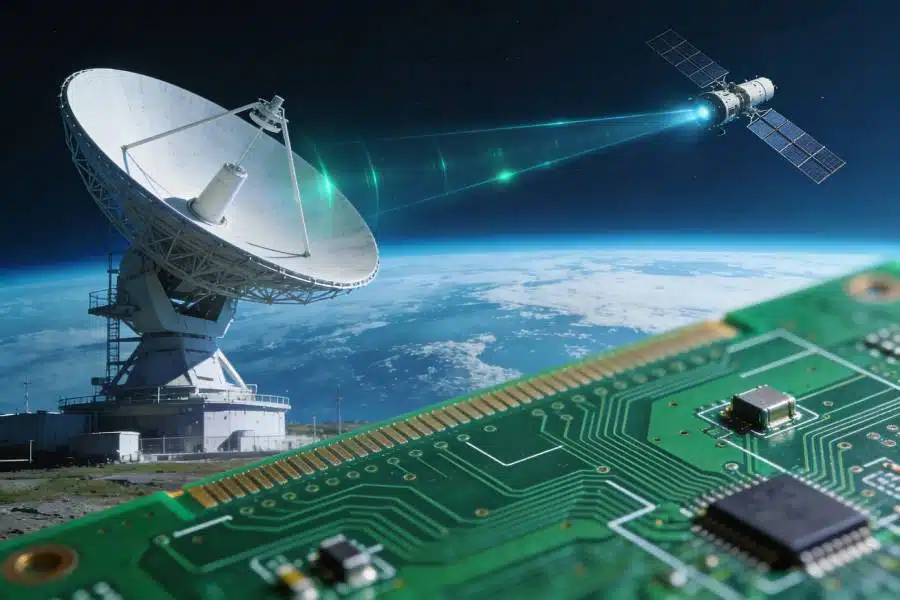
Satellite PCB: High-Reliability PCB Design for Space and Satellite Communication Systems

1. Introduction: The Role of Satellite PCB in Space Technology Satellite systems operate in one of the most extreme environments in engineering, including: Vacuum conditions Extreme temperature cycling High radiation exposure Long-term mission lifetimes without maintenance Because of these conditions, Satellite PCB design must meet extremely strict reliability, thermal, and electrical performance requirements. Modern satellite...

Heavy Copper PCB: High Current Design, Thermal Management, and Industrial Applications

1. Introduction: Why Heavy Copper PCB Matters in Power Electronics As modern electronic systems evolve toward: Higher current density Increased power conversion efficiency More compact power modules Higher thermal loads standard PCB copper thickness is often insufficient for reliable operation. In applications such as: Power supplies Electric vehicles (EV) Battery management systems (BMS) Industrial motor...

Low Loss PCB: Materials, Design Principles, and High-Frequency Performance Optimization

1. Introduction: Why Low Loss PCB Is Essential in Modern Electronics As electronic systems evolve toward: Higher data rates Higher operating frequencies Increased signal density Greater system integration traditional PCB materials such as standard FR4 are no longer sufficient for advanced RF and high-speed applications. In modern systems including: 5G/6G communication networks Automotive radar systems...