
1. Why RO4835 PCB Materials Are Important in RF Electronics
Modern wireless communication and radar systems require PCB materials capable of supporting:
- High-frequency signal transmission
- Low insertion loss
- Stable impedance performance
- Reliable thermal stability
Applications such as:
- Automotive radar systems
- 5G communication infrastructure
- RF transceiver modules
- Aerospace communication equipment
- High-speed wireless networking systems
demand advanced RF PCB materials that outperform standard FR4 laminates.
Traditional FR4 PCB materials often suffer from:
- Higher dielectric loss
- Poor RF stability at high frequencies
- Increased signal attenuation
To solve these challenges, engineers increasingly adopt RO4835 PCB materials for:
- High-frequency RF PCB design
- Microwave communication systems
- Controlled impedance PCB routing
- Automotive radar electronics
At KKPCB, RO4835 PCB solutions are engineered for:
- Low-loss RF transmission
- Stable microwave performance
- High-reliability automotive and communication systems
2. What Is RO4835 PCB Material?
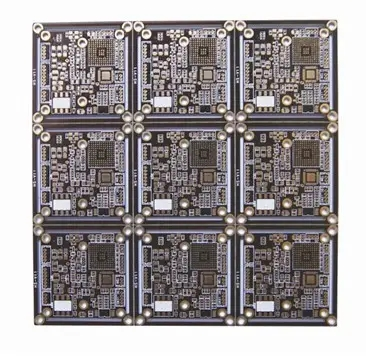
RO4835 is a high-frequency RF laminate material designed for:
- RF and microwave applications
- Automotive radar systems
- High-speed communication electronics
RO4835 PCB materials provide:
- Low dielectric loss
- Stable dielectric constant
- Excellent thermal performance
- Reliable high-frequency electrical behavior
Compared with standard FR4 PCB materials, RO4835 PCB offers:
- Better signal integrity
- Lower RF transmission loss
- Improved controlled impedance stability
This makes RO4835 highly suitable for:
- mmWave communication systems
- Automotive radar modules
- RF antenna PCB structures
3. Key Characteristics of RO4835 PCB
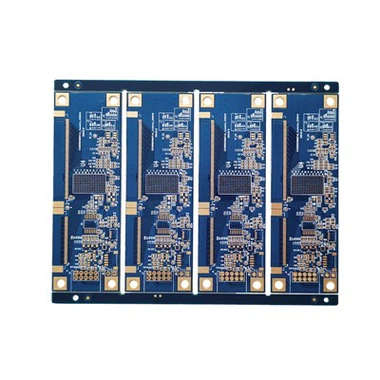
3.1 Low Loss RF Performance
One of the biggest advantages of RO4835 PCB material is its low dielectric loss.
Low-loss performance helps:
- Reduce signal attenuation
- Improve RF transmission efficiency
- Maintain stable high-frequency communication
This is critical in:
- 5G communication systems
- Automotive radar electronics
- RF transceiver modules
3.2 Stable Dielectric Constant
RO4835 PCB materials provide:
- Consistent dielectric properties
- Predictable RF signal behavior
- Stable impedance performance
These characteristics improve:
- RF matching accuracy
- Signal integrity
- High-frequency transmission consistency
3.3 Excellent Signal Integrity
At high operating frequencies, signal integrity becomes highly sensitive to:
- PCB material consistency
- Surface roughness
- Trace geometry variations
- Transmission discontinuities
RO4835 PCB materials help reduce:
- Signal reflection
- Crosstalk
- Insertion loss
- RF noise interference
These benefits improve:
- Communication reliability
- Radar system accuracy
- Wireless transmission performance
3.4 Strong Thermal Reliability
RO4835 PCB laminates provide:
- Stable thermal performance
- Reliable dimensional stability
- Good thermal cycling resistance
These properties improve:
- Long-term reliability
- Automotive-grade durability
- High-frequency operational stability
4. Applications of RO4835 PCB
RO4835 PCB materials are widely used in:
- Automotive radar systems
- 5G communication infrastructure
- RF power amplifiers
- Satellite communication modules
- Microwave antennas
- Aerospace RF electronics
- Wireless networking systems
These applications require:
- Low RF signal loss
- Stable microwave performance
- Controlled impedance precision
5. Controlled Impedance Design in RO4835 PCB
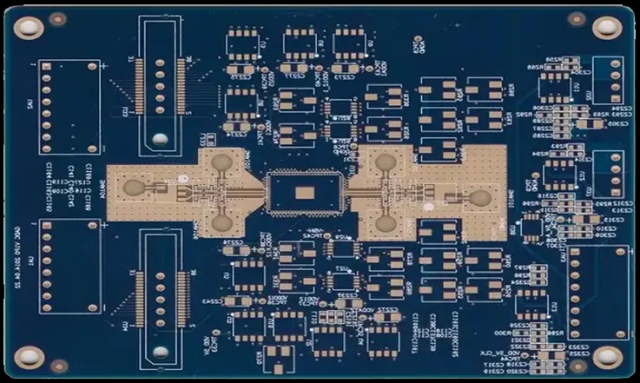
Controlled impedance is one of the most critical aspects of RF PCB design.
RO4835 PCB materials help maintain:
- Stable transmission line impedance
- Accurate RF signal propagation
- Reduced signal reflection
Important design considerations include:
- PCB stack-up structure
- Dielectric thickness consistency
- RF trace geometry
- Ground plane continuity
At KKPCB, advanced impedance-controlled PCB stack-ups ensure stable high-frequency performance.
6. RF Layout Optimization for RO4835 PCB
Proper RF layout significantly impacts:
- Signal integrity
- EMI suppression
- RF efficiency
Best RF PCB design practices include:
- Short RF routing paths
- Smooth impedance transitions
- Continuous RF ground planes
- Ground via stitching
- Isolation between RF and digital circuits
These techniques improve:
- RF communication quality
- Radar system performance
- High-frequency signal stability
7. Thermal Management in RO4835 PCB Design
RF power circuits and radar modules generate concentrated heat.
Thermal management techniques include:
- Thermal via arrays
- Copper heat-spreading planes
- Heat sink integration
- Hybrid multilayer thermal structures
Efficient thermal design improves:
- RF stability
- Power efficiency
- Long-term reliability
8. Manufacturing Challenges of RO4835 PCB
RO4835 PCB fabrication requires specialized manufacturing expertise.
Key challenges include:
- Tight impedance tolerance control
- Stable multilayer lamination
- Precision RF trace geometry control
- Consistent dielectric thickness management
High-frequency PCB manufacturing must minimize:
- Signal discontinuities
- Surface roughness variation
- RF transmission inconsistencies
At KKPCB, advanced RF PCB manufacturing technologies ensure:
- Stable electrical performance
- Reliable multilayer PCB quality
- Consistent high-frequency manufacturing capability
9. Advantages of RO4835 PCB Compared with Standard FR4
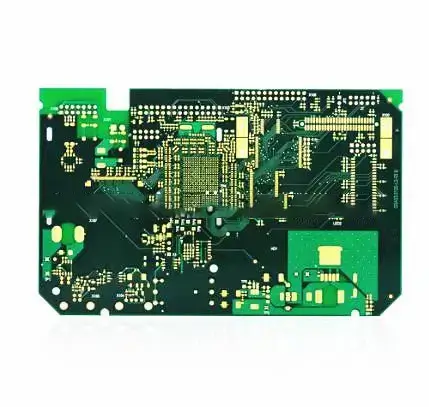
Compared with standard FR4 PCB materials, RO4835 PCB offers:
- Lower dielectric loss
- Better RF signal integrity
- Improved microwave transmission performance
- More stable impedance control
- Better thermal reliability
This makes RO4835 PCB ideal for:
- RF communication electronics
- Automotive radar systems
- High-speed wireless modules
10. Future Trends in RO4835 PCB Applications
Future RF PCB technology is moving toward:
- Higher operating frequencies
- mmWave communication systems
- Advanced radar technologies
- Compact RF module integration
- AI-driven wireless communication systems
RO4835 PCB materials will continue supporting:
- Next-generation automotive radar
- 5G and 6G infrastructure
- Aerospace RF systems
- High-density wireless communication electronics
11. Conclusion
RO4835 PCB technology provides excellent performance for:
- RF communication systems
- Microwave electronics
- Automotive radar applications
- High-frequency wireless devices
With advantages including:
- Low dielectric loss
- Stable impedance control
- Excellent signal integrity
- Strong thermal reliability
RO4835 PCB materials enable reliable and efficient RF system design for advanced communication and radar technologies.
With extensive expertise in RF PCB engineering and microwave manufacturing, KKPCB delivers advanced low-loss PCB solutions for demanding wireless and automotive applications.
