
1.Why RF-35 PCB Materials Are Widely Used in RF Electronics
Modern RF and microwave systems continue advancing toward:
- Higher operating frequencies
- Faster wireless communication
- Lower signal attenuation requirements
- Higher integration density
Applications such as:
- 5G wireless infrastructure
- Automotive radar systems
- Satellite communication equipment
- RF transceiver modules
- Aerospace microwave electronics
require PCB materials capable of delivering:
- Stable dielectric performance
- Low insertion loss
- Reliable impedance control
- Excellent thermal stability
Traditional FR4 PCB materials often cannot meet the electrical performance requirements of advanced RF systems due to:
- Higher dielectric loss
- Increased RF signal attenuation
- Poor high-frequency stability
To address these challenges, engineers increasingly adopt RF-35 PCB materials for:
- High-frequency RF circuits
- Microwave communication modules
- Controlled impedance PCB routing
- Low-loss wireless communication systems
At KKPCB, RF-35 PCB solutions are optimized for:
- Stable RF transmission
- High-frequency signal integrity
- Reliable microwave communication performance
2. What Is RF-35 PCB Material?
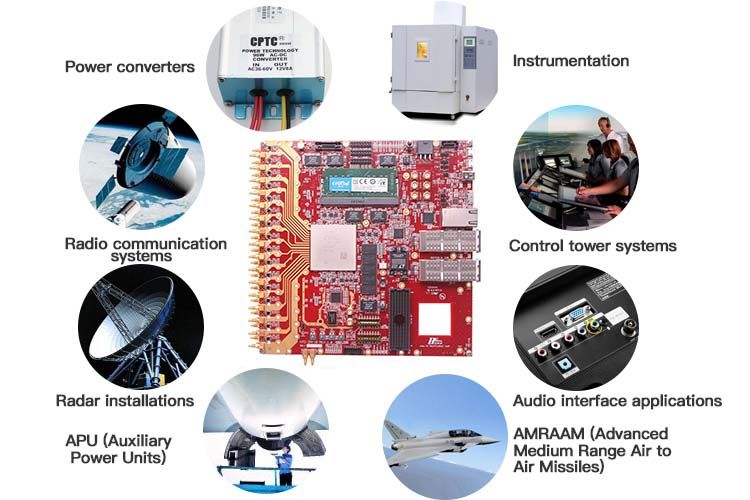
RF-35 PCB is a high-frequency RF laminate material designed for:
- RF communication systems
- Microwave PCB applications
- High-speed wireless electronics
RF-35 PCB materials provide:
- Low dielectric loss
- Stable dielectric constant
- Excellent electrical consistency
- Reliable thermal performance
Compared with conventional FR4 PCB materials, RF-35 PCB offers:
- Better RF transmission efficiency
- Lower insertion loss
- Improved signal integrity
- More accurate controlled impedance behavior
This makes RF-35 PCB highly suitable for:
- RF amplifier circuits
- Antenna PCB systems
- Radar communication modules
- Wireless networking equipment
3. Key Characteristics of RF-35 PCB
3.1 Low Dielectric Loss Performance
One of the most important advantages of RF-35 PCB material is its low dielectric loss.
Low-loss performance helps:
- Reduce RF signal attenuation
- Improve communication efficiency
- Maintain stable high-frequency signal transmission
This is especially important in:
- Microwave communication systems
- RF transceiver modules
- High-speed wireless devices
3.2 Stable Dielectric Constant
RF-35 PCB materials provide:
- Consistent dielectric properties
- Predictable RF transmission behavior
- Stable impedance control capability
These properties improve:
- Signal integrity
- RF matching accuracy
- Microwave circuit stability
3.3 Excellent High-Frequency Signal Integrity
At microwave frequencies, signal integrity becomes increasingly critical.
RF-35 PCB materials help reduce:
- Signal reflection
- Crosstalk
- Insertion loss
- RF noise interference
These benefits improve:
- Wireless communication quality
- Radar system accuracy
- High-speed data transmission performance
3.4 Strong Thermal and Mechanical Stability
RF-35 PCB laminates offer:
- Stable thermal performance
- Reliable dimensional stability
- Consistent multilayer PCB reliability
These characteristics improve:
- Long-term operational stability
- High-frequency performance consistency
- Reliability under harsh environments
4. Applications of RF-35 PCB
RF-35 PCB materials are widely used in:
- 5G communication infrastructure
- Automotive radar systems
- RF power amplifiers
- Satellite communication modules
- Microwave antenna systems
- Aerospace RF electronics
- Wireless networking hardware
These applications require:
- Low RF signal loss
- Stable high-frequency performance
- Reliable controlled impedance routing
5. Controlled Impedance Design in RF-35 PCB
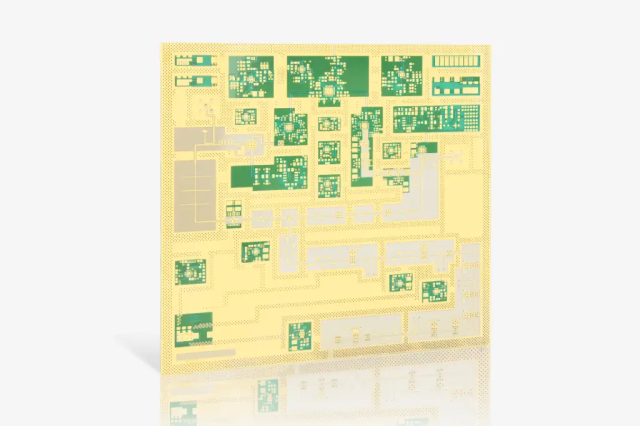
Controlled impedance is essential in RF PCB engineering.
RF-35 PCB materials help maintain:
- Stable transmission line impedance
- Accurate RF signal propagation
- Reduced signal reflection
Key design considerations include:
- PCB stack-up optimization
- Dielectric thickness control
- RF trace geometry
- Ground plane continuity
At KKPCB, advanced stack-up engineering ensures stable RF signal transmission for high-frequency applications.
6. RF Layout Optimization for RF-35 PCB
Proper RF layout significantly affects:
- Signal integrity
- EMI suppression
- RF transmission efficiency
Best RF PCB layout practices include:
- Short RF trace routing
- Smooth transmission line transitions
- Continuous RF ground reference planes
- Ground via stitching
- Isolation between RF and digital circuits
These techniques improve:
- RF communication stability
- Microwave transmission consistency
- High-frequency system performance
7. Thermal Management in RF-35 PCB Design
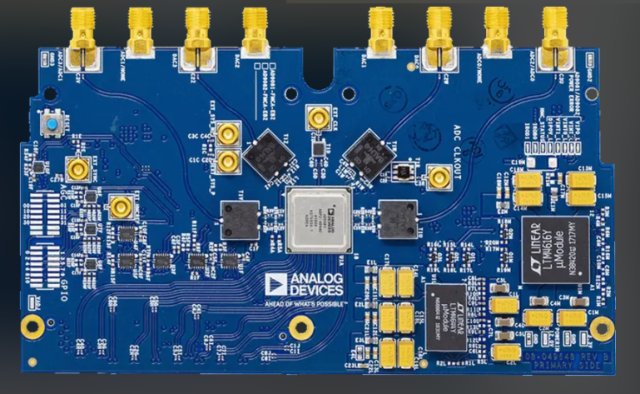
High-frequency RF circuits often generate concentrated heat in:
- RF amplifiers
- Power modules
- Microwave transceiver circuits
Thermal management solutions include:
- Thermal via arrays
- Copper heat-spreading structures
- Heat sink integration
- Hybrid multilayer thermal design
Efficient thermal management improves:
- RF performance stability
- Power efficiency
- Long-term reliability
8. Manufacturing Challenges of RF-35 PCB
RF-35 PCB fabrication requires advanced manufacturing precision.
Key manufacturing challenges include:
- Tight impedance tolerance control
- Stable dielectric thickness management
- Precision RF trace geometry processing
- Consistent multilayer lamination quality
High-frequency PCB manufacturing must minimize:
- Signal discontinuities
- Surface roughness variation
- RF transmission inconsistencies
At KKPCB, advanced RF PCB manufacturing technologies ensure:
- Stable electrical performance
- Reliable multilayer PCB quality
- Consistent high-frequency production capability
9. Advantages of RF-35 PCB Compared with Standard FR4
Compared with conventional FR4 PCB materials, RF-35 PCB offers:
- Lower dielectric loss
- Better RF signal integrity
- Improved microwave transmission performance
- More stable controlled impedance behavior
- Better thermal reliability
This makes RF-35 PCB ideal for:
- RF communication systems
- Microwave electronics
- High-speed wireless devices
- Aerospace RF applications
10. Future Trends in RF-35 PCB Applications
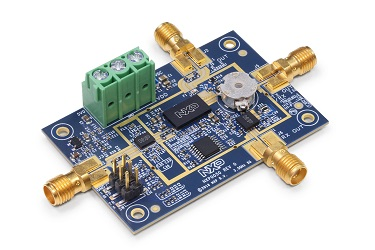
Future RF electronics continue moving toward:
- Higher operating frequencies
- mmWave communication systems
- Compact integrated RF modules
- AI-driven wireless communication infrastructure
RF-35 PCB materials will continue supporting:
- Next-generation wireless communication
- Automotive radar platforms
- Aerospace RF systems
- Advanced microwave electronics
11. Conclusion
RF-35 PCB technology provides excellent performance for:
- RF communication systems
- Microwave PCB applications
- High-frequency wireless electronics
With advantages including:
- Low dielectric loss
- Stable impedance control
- Excellent signal integrity
- Reliable thermal stability
RF-35 PCB materials enable reliable and efficient RF system performance in advanced communication and radar applications.
With extensive expertise in RF PCB engineering and microwave manufacturing, KKPCB delivers advanced low-loss PCB solutions for demanding wireless and aerospace systems.
