
1.The Growing Demand for UAV PCB Technology
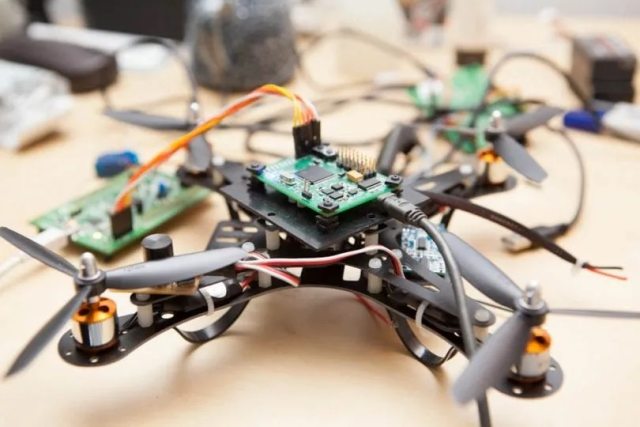
The rapid development of:
- Unmanned aerial vehicles (UAVs)
- Autonomous drone systems
- AI-powered aerial platforms
- Long-range wireless communication
- Intelligent navigation systems
has significantly increased the demand for advanced UAV PCB solutions.
Modern UAV systems require PCB designs capable of supporting:
- High-speed data processing
- Real-time flight control
- Stable RF communication
- Lightweight electronic integration
- High power efficiency
From commercial drones to military UAV platforms, PCB technology plays a critical role in:
- Flight stability
- Communication reliability
- Navigation accuracy
- Mission performance
At KKPCB, UAV PCB solutions are engineered for:
- Lightweight structures
- High reliability
- RF communication stability
- Harsh environmental operation
2. What Is a UAV PCB?
A UAV PCB is a printed circuit board specifically designed for unmanned aerial vehicle systems.
These PCBs are used in:
- Flight control modules
- RF communication systems
- GPS and navigation units
- Power management systems
- Motor control circuits
- Camera and imaging systems
- AI processing modules
UAV PCBs must balance:
- Lightweight design
- Mechanical durability
- Signal integrity
- Thermal management
- High power efficiency
3. Key Design Requirements for UAV PCB
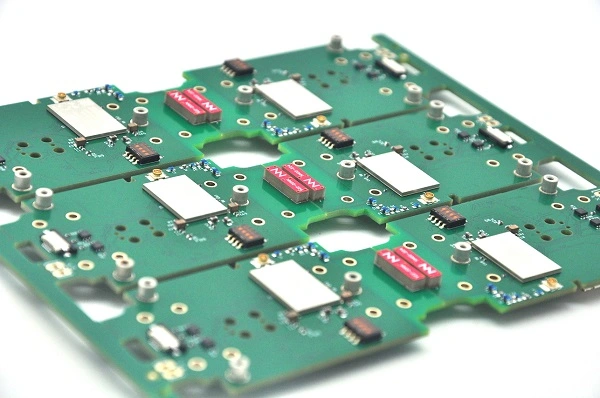
3.1 Lightweight PCB Structure
Weight reduction is critical for UAV systems because it directly impacts:
- Flight endurance
- Payload capacity
- Energy efficiency
Lightweight PCB strategies include:
- Thin multilayer PCB structures
- HDI PCB technology
- Compact component integration
- Optimized copper distribution
3.2 High Reliability Under Harsh Conditions
UAV systems operate under:
- Vibration
- Shock
- Temperature variation
- Humidity exposure
Therefore, UAV PCB design must ensure:
- Mechanical durability
- Stable solder joint reliability
- Long operational lifespan
3.3 Stable RF Communication Performance
UAV systems rely heavily on wireless communication for:
- Remote control
- Real-time video transmission
- Telemetry data
- Navigation communication
RF PCB design must minimize:
- Signal loss
- EMI interference
- Communication instability
3.4 Efficient Power Management
Power efficiency is essential for maximizing UAV flight time.
UAV PCB power systems include:
- Battery management systems (BMS)
- Motor drivers
- DC-DC converters
- Power distribution modules
Efficient PCB layout helps reduce:
- Power loss
- Heat generation
- Voltage instability
4. UAV PCB Materials and Stack-Up Design
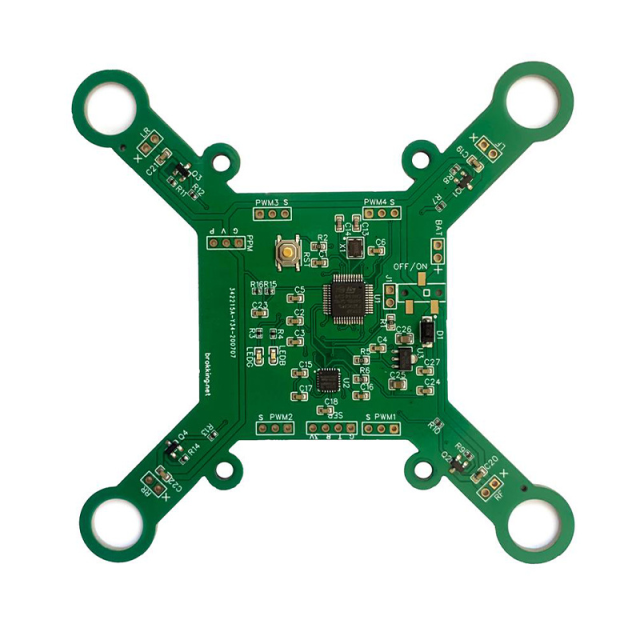
Material selection directly affects:
- Weight
- Reliability
- RF performance
- Thermal stability
Common UAV PCB materials include:
- High Tg FR4
- Low-loss RF laminates
- Polyimide flexible materials
- Lightweight multilayer composites
Multilayer stack-up design improves:
- Signal integrity
- EMI control
- High-density routing capability
At KKPCB, advanced stack-up optimization supports:
- Compact UAV electronics
- High-speed communication modules
- Lightweight flight systems
5. Signal Integrity in UAV PCB Design
Modern UAV systems process:
- High-speed sensor data
- GPS signals
- RF communication signals
- AI computing information
Signal integrity is critical for:
- Stable flight control
- Accurate navigation
- Reliable communication systems
Important design techniques include:
- Controlled impedance routing
- Differential pair optimization
- Ground plane continuity
- EMI shielding structures
6. RF Communication PCB Design for UAV Systems
RF communication systems are one of the most important parts of UAV electronics.
Typical RF systems include:
- Wi-Fi communication modules
- GPS antennas
- Telemetry transmitters
- Video transmission systems
RF PCB design focuses on:
- Low insertion loss
- Stable antenna matching
- EMI suppression
- High-frequency signal integrity
These optimizations improve:
- Communication range
- Signal stability
- Real-time data transmission quality
7. Thermal Management in UAV PCB
Compact UAV electronics often generate concentrated heat from:
- AI processors
- RF modules
- Motor control circuits
- Power electronics
Thermal management techniques include:
- Thermal via arrays
- Copper heat-spreading planes
- Lightweight thermal structures
- Heat sink integration
Proper thermal design improves:
- Flight system stability
- Electronic reliability
- Power efficiency
8. Power Electronics and Motor Control PCB
UAV motor systems require:
- High-current handling capability
- Fast switching response
- Stable PWM control
PCB design must support:
- Efficient current flow
- Reduced voltage drop
- Thermal reliability under load
Heavy copper PCB structures are often used in:
- ESC (Electronic Speed Controller) systems
- Motor driver circuits
- High-current power distribution modules
9. Manufacturing Challenges of UAV PCB
UAV PCB manufacturing requires:
- Precision multilayer alignment
- Reliable solder joint quality
- Lightweight yet durable structures
- High-frequency RF fabrication capability
Key manufacturing challenges include:
- Vibration reliability
- Thermal cycling stability
- High-density assembly precision
- RF impedance consistency
At KKPCB, advanced manufacturing technologies ensure:
- Stable flight electronics performance
- Reliable RF communication quality
- Long-term UAV operational durability
10. Applications of UAV PCB
UAV PCB technology is widely used in:
- Consumer drones
- Industrial inspection UAVs
- Agricultural drones
- Military UAV systems
- Delivery drones
- Surveillance platforms
- Autonomous aerial robotics
These systems require:
- Lightweight electronics
- Stable communication
- High reliability
- Long-duration operation
11. Future Trends in UAV PCB Technology
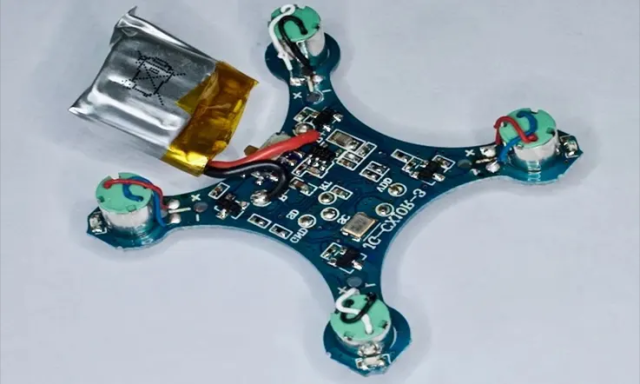
Future UAV PCB development focuses on:
- AI-integrated drone electronics
- Autonomous navigation systems
- mmWave communication integration
- Lightweight HDI PCB structures
- High-density RF module integration
- Advanced thermal management solutions
Emerging UAV systems will require:
- Faster processing capability
- More compact electronics
- Higher RF communication bandwidth
- Improved flight reliability
12. Conclusion
UAV PCB technology is a critical foundation for modern unmanned aerial vehicle systems requiring:
- Lightweight structures
- Stable RF communication
- Reliable flight control electronics
- Efficient thermal and power management
Through advanced multilayer PCB engineering, RF optimization, and aerospace-grade manufacturing, engineers can achieve:
- Better flight performance
- Longer operational life
- More reliable communication systems
- Higher UAV system integration density
With extensive expertise in aerospace electronics manufacturing, KKPCB delivers advanced UAV PCB solutions for next-generation intelligent aerial systems.
