HomeTag

Thermal PCB - KKPCB

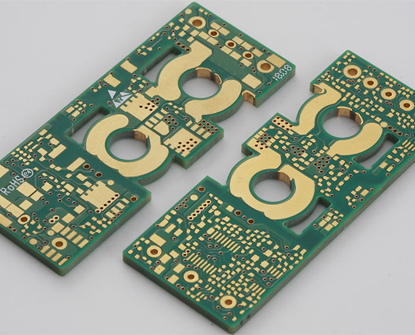
Heavy Copper PCB: High Current Design, Thermal Management, and Industrial Applications

1. Introduction: Why Heavy Copper PCB Matters in Power Electronics As modern electronic systems evolve toward: Higher current density Increased power conversion efficiency More compact power modules Higher thermal loads standard PCB copper thickness is often insufficient for reliable operation. In applications such as: Power supplies Electric vehicles (EV) Battery management systems (BMS) Industrial motor...
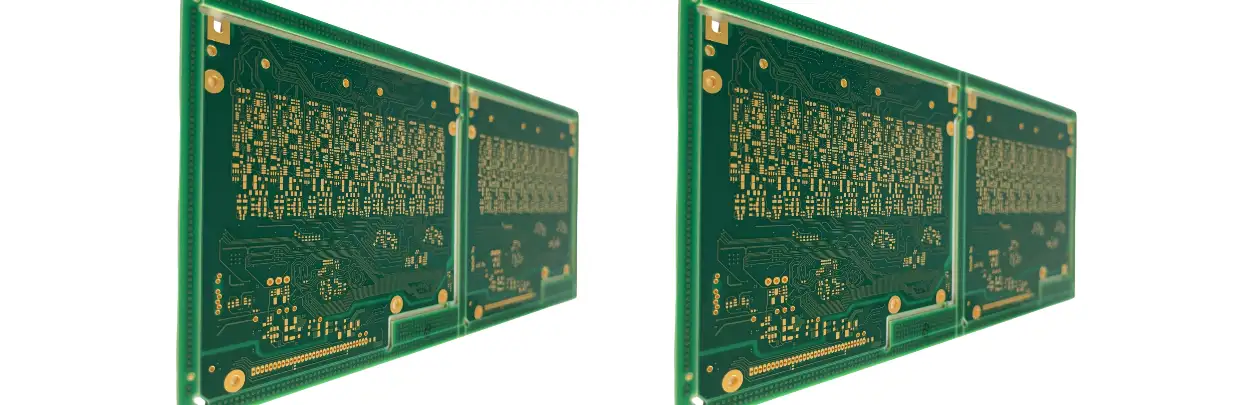
High Tg PCB: High Thermal Stability Solutions for Reliable Electronic Applications

What is a High Tg PCB? A High Tg PCB is a printed circuit board manufactured using materials with a high glass transition temperature (Tg), typically above 170°C. The Tg value represents the temperature at which the PCB material transitions from a rigid state to a softer, more flexible state. A High Tg PCB maintains...

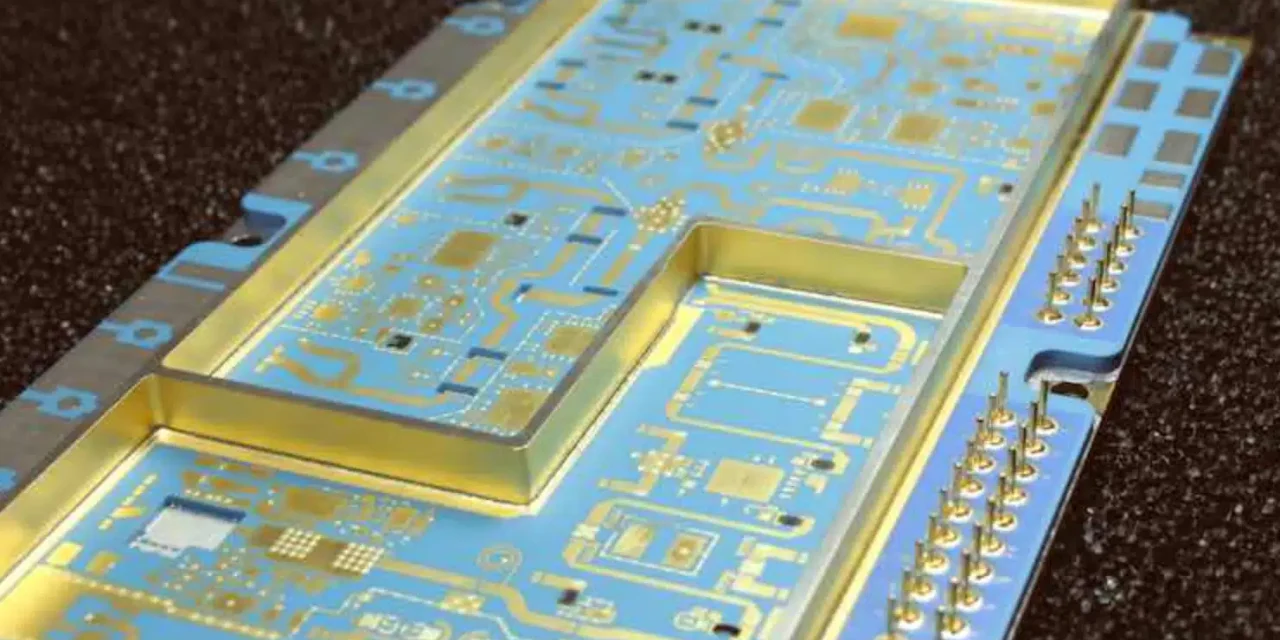
Ceramic PCB: High Thermal Performance Solutions for Advanced Electronics

What Is a Ceramic PCB? A Ceramic PCB is a high-performance thermal PCB built on a ceramic substrate, designed for applications requiring efficient heat dissipation, electrical insulation, and high reliability. Unlike standard FR-4 or metal-core PCBs, a ceramic PCB uses materials such as: Aluminum Oxide (Al₂O₃) Aluminum Nitride (AlN) Beryllium Oxide (BeO) These ceramic substrates...

Aluminum PCB vs. FR4 PCB: Cost, Materials, and Difference

Selecting the right PCB substrate material is one of the most important decisions in electronic product development. The PCB material directly affects: Thermal performance Electrical characteristics Mechanical strength Manufacturing cost Product reliability Among various PCB substrate options, aluminum PCBs and FR4 PCBs are two of the most widely used solutions. While both are common in...