Rigid-Flex PCB - KKPCB
 
HomeTag

Rigid-Flex PCB - KKPCB

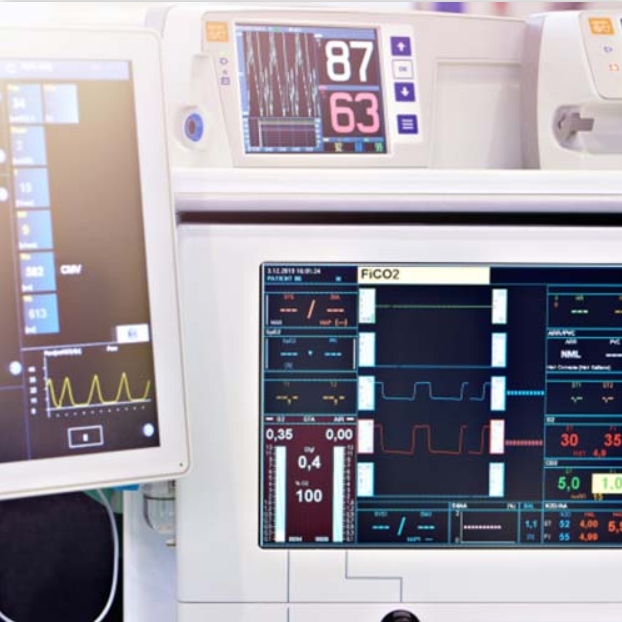
Technology Used in Medical PCB Assembly

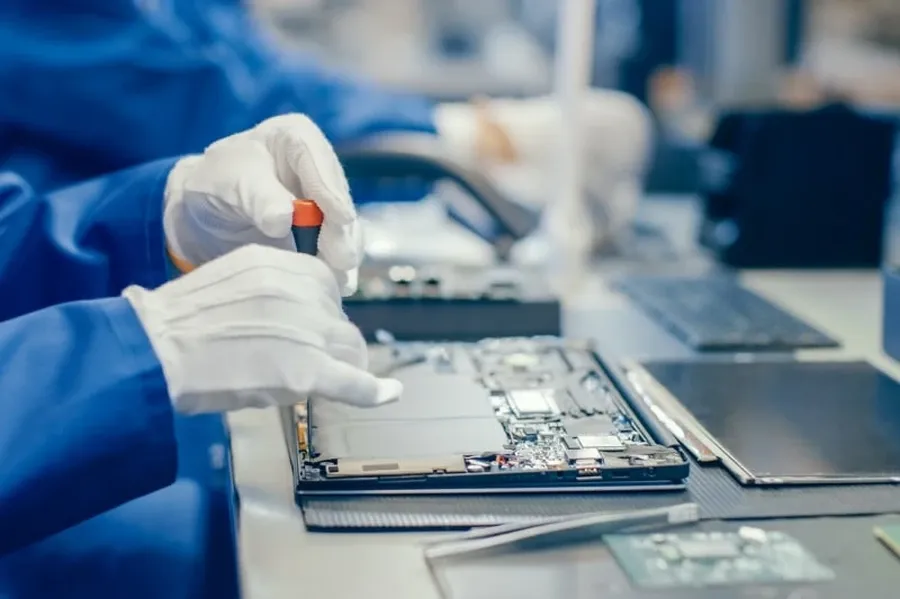
The intersection of healthcare and electronics requires a level of precision where failure is not an option. Medical PCB Assembly (PCBA) is governed by rigorous standards like ISO 13485, ensuring that every heartbeat monitor, imaging system, and implantable device operates with 100% reliability. As medical devices shrink in size while increasing in complexity, specialized assembly technologies have become...

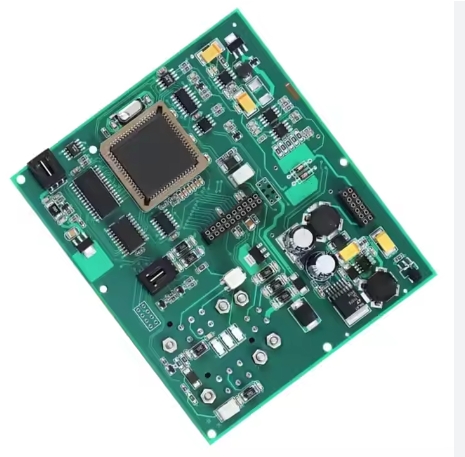
Advanced PCBs – Design, Manufacturing, and Assembly

Advanced PCBs represent the cutting edge of printed circuit board technology, enabling compact, high-performance, and highly reliable electronic systems for demanding applications such as 5G/6G infrastructure, ADAS automotive radar, AI computing, aerospace electronics, Industrial IoT, and medical devices. These boards go far beyond standard FR-4 designs, incorporating HDI (High-Density Interconnect), rigid-flex, high-frequency low-loss materials, heavy...

Rigid Flex PCB Cost Optimization

Master Your Budget: Proven Strategies for Rigid Flex PCB Cost Optimization In modern electronics, Rigid-Flex PCB technology is the gold standard for compact, high-reliability designs. However, the complexity of Rigid-Flex manufacturing often leads to higher production expenses. Achieving effective Rigid Flex PCB cost optimization requires a strategic balance between sophisticated engineering and smart logistical choices. At KKPCB, we help engineers navigate these...

Rigid-Flex PCBs: Features, Benefits and Challenges

Introduction: The Rise of Rigid-Flex PCB Technology As modern electronics continue to evolve toward miniaturization, high reliability, and complex system integration, Rigid-Flex PCBs have become a key solution in advanced PCB design and manufacturing. By combining the strengths of rigid PCBs and flexible PCBs, Rigid-Flex PCB technology enables innovative product designs that are both compact...

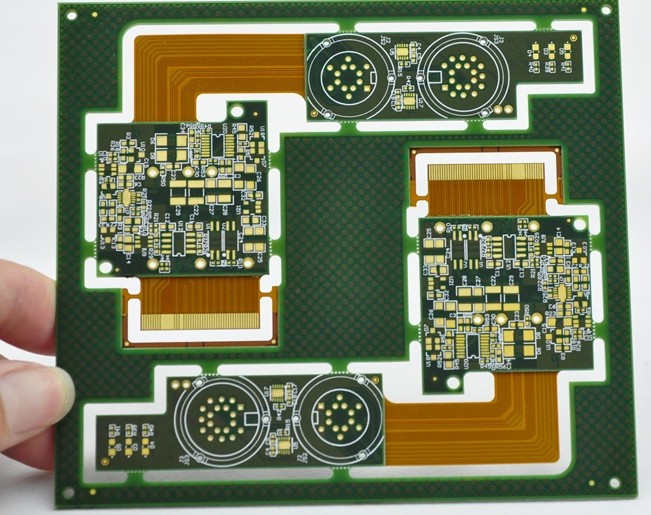
What is a Rigid-Flex PCB?

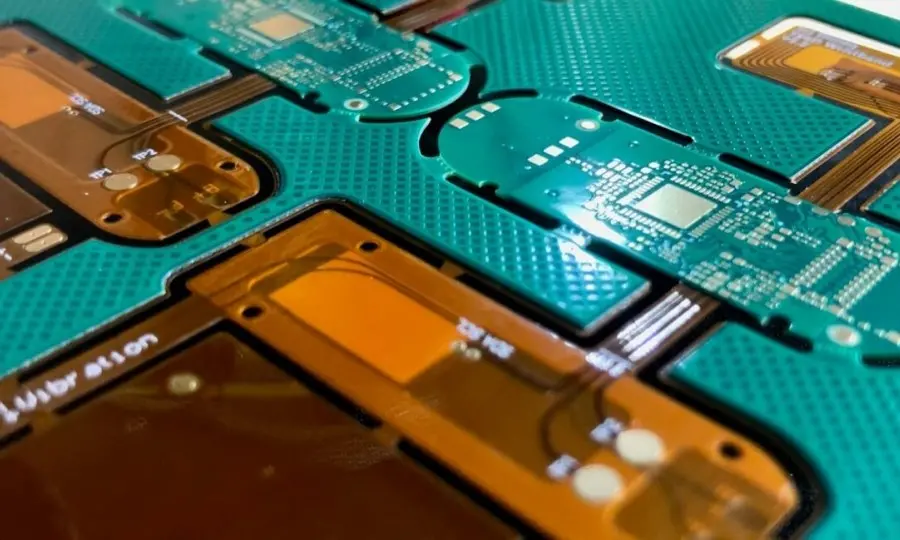
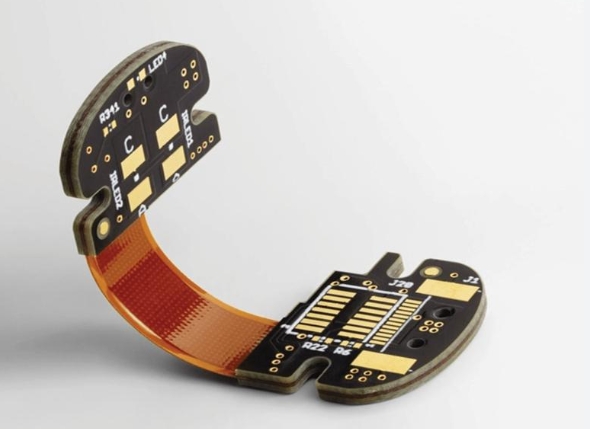
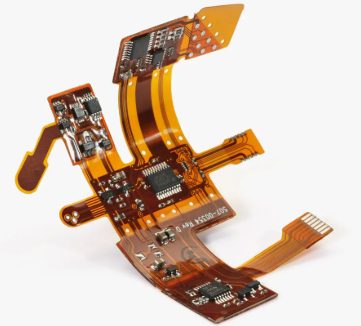
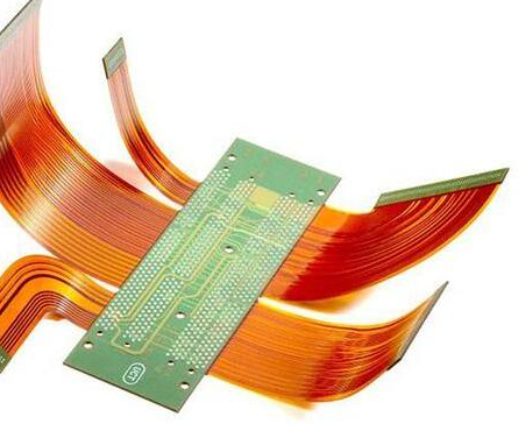
A Rigid-Flex PCB is a hybrid circuit board combining elements of both flexible circuit boards and rigid circuit boards, with an end result of a board that is able to be folded or continuously flexed and is normally formed into a flexed shape or curve during the manufacturing process. The flexible layers of a Rigid-Flex PCB are buried within the board and...

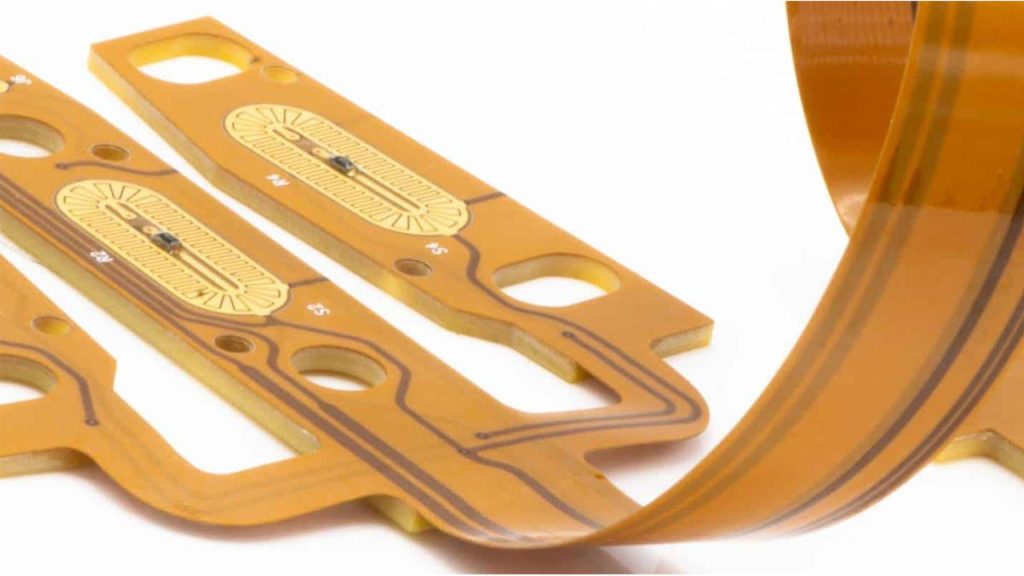
Flexible PCB Manufacturing Process: Flexible Circuit Board (FPC)

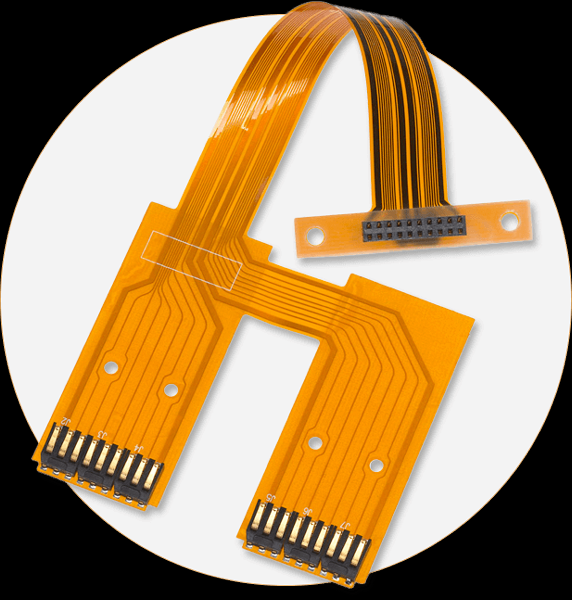
Flexible Printed Circuits (FPCs), commonly known as Flexible PCBs, have revolutionized modern electronics by offering a bendable, lightweight alternative to traditional rigid boards. Made from polyimide (PI) or polyester (PET) base materials, FPCs allow for 3D wiring and high-density packaging, making them indispensable for smartphones, wearables, medical devices, and automotive systems. Step 1: Material Preparation (Laminate...

Rigid-Flex PCB Cost Optimization: Design and Manufacturing Considerations

As the demand for flexible and rigid-flex PCBs continues to grow, understanding the factors that influence their cost is crucial for optimizing designs and ensuring cost-effective production. Rigid-flex PCBs offer significant advantages, such as enhanced flexibility, reliability, and space-saving capabilities, but they also come with unique challenges that can drive up costs if not properly managed. This...

PCB Interconnection Methods

PCB Interconnection Methods PCB interconnection methods are essential techniques used to electrically and mechanically connect printed circuit boards (PCBs) within electronic systems. Choosing the right PCB interconnection method directly impacts signal integrity, reliability, mechanical strength, assembly cost, and overall system performance — especially in complex devices such as smartphones, automotive electronics, industrial control systems, 5G...