HomeTag

Power Electronics - KKPCB

SiC PCB DFM Release: 5 Production Checks

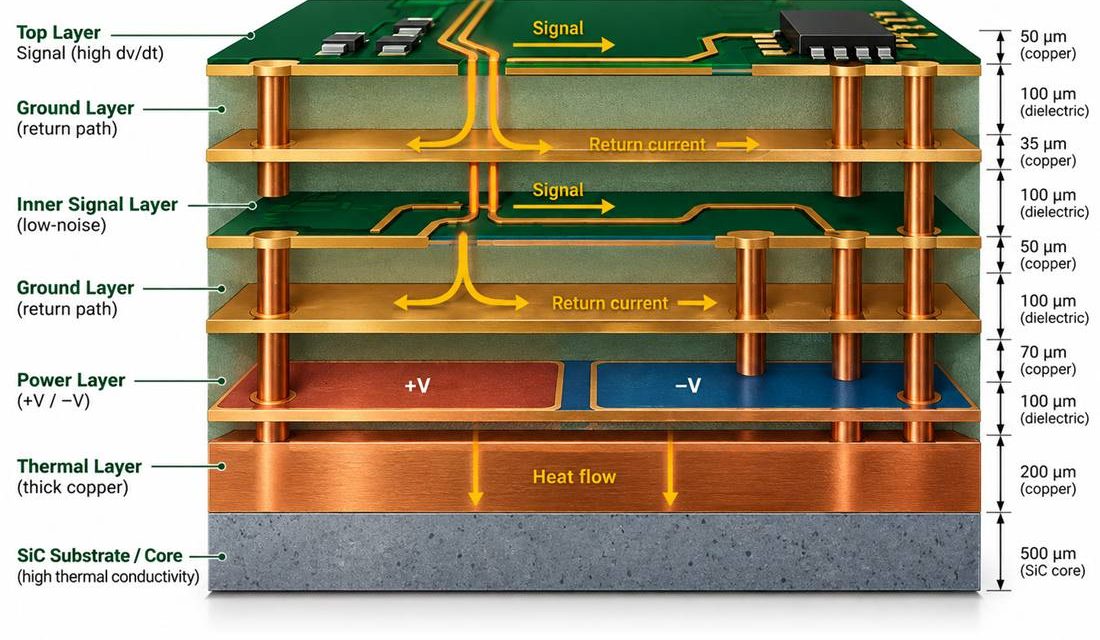
When a team selects SiC PCB, it is usually solving a specific product constraint rather than buying a label. This article takes a dfm view of silicon-carbide power devices and their copper or ceramic carrier interfaces. The project pain is commutation-loop inductance, heat-spreader stiffness, and the difference between a device rating and a board-leve l...
SiC PCB Assembly: 5 Reliability Controls

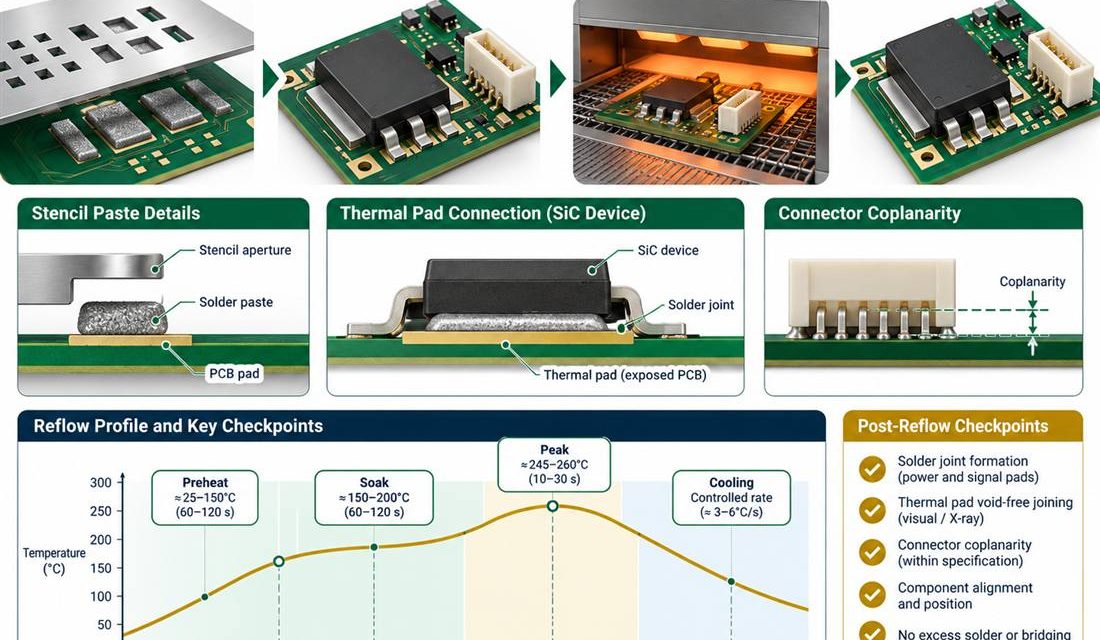
When a team selects SiC PCB, it is usually solving a specific product constraint rather than buying a label. This article takes a assembly view of silicon-carbide power devices and their copper or ceramic carrier interfaces. The project pain is commutation-loop inductance, heat-spreader stiffness, and the difference between a device rating and a board-level thermal...

SiC PCB Via Launch: 5 Transition Checks

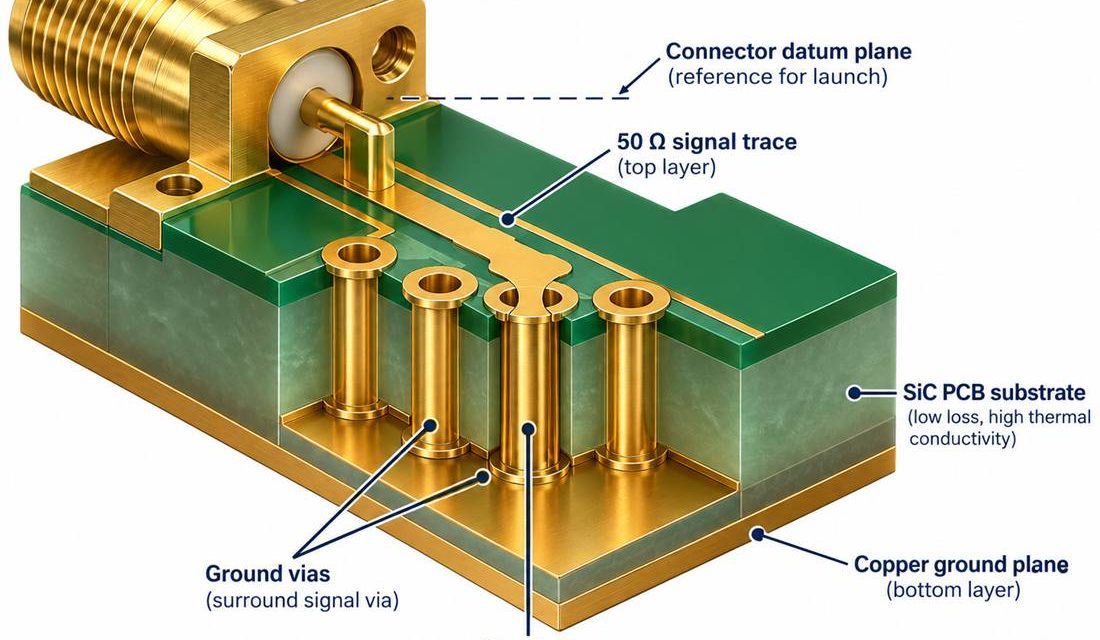
When a team selects SiC PCB, it is usually solving a specific product constraint rather than buying a label. This article takes a transition view of silicon-carbide power devices and their copper or ceramic carrier interfaces. The project pain is commutation-loop inductance, heat-spreader stiffness, and the difference between a device rating and a board-level thermal...

SiC PCB Thermal Design: 5 Release Checks for Power Modules

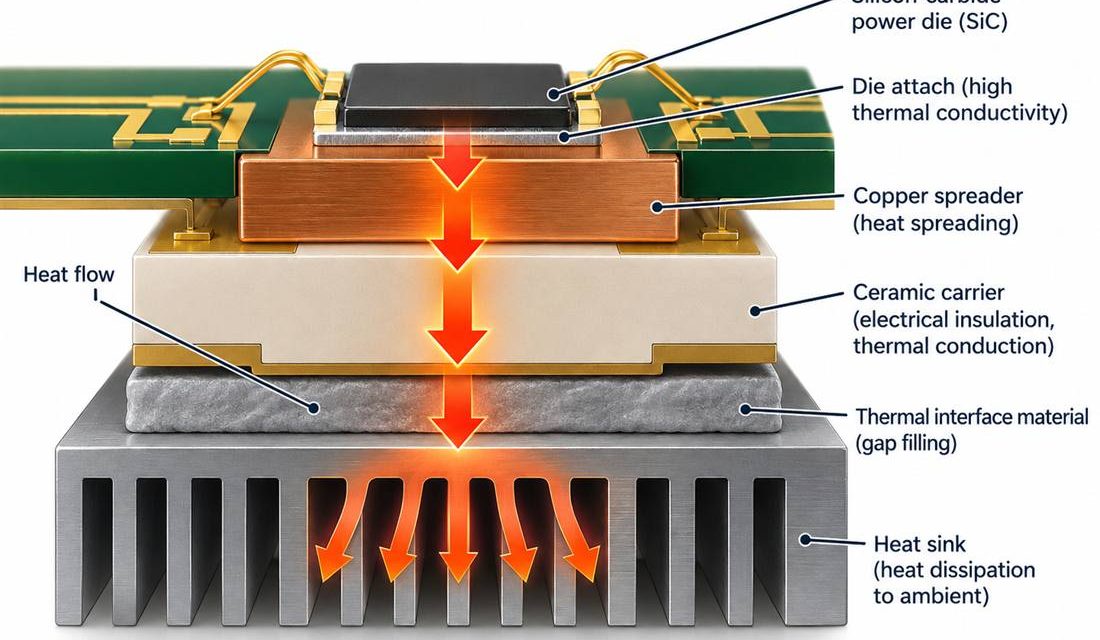
When a team selects SiC PCB, it is usually solving a specific product constraint rather than buying a label. This article takes a thermal view of silicon-carbide power devices and their copper or ceramic carrier interfaces. The project pain is commutation-loop inductance, heat-spreader stiffness, and the difference between a device rating and a board-level thermal...

Aluminum Nitride PCB Inverter Modules: DFM, Panel Handling, and Production Release Controls

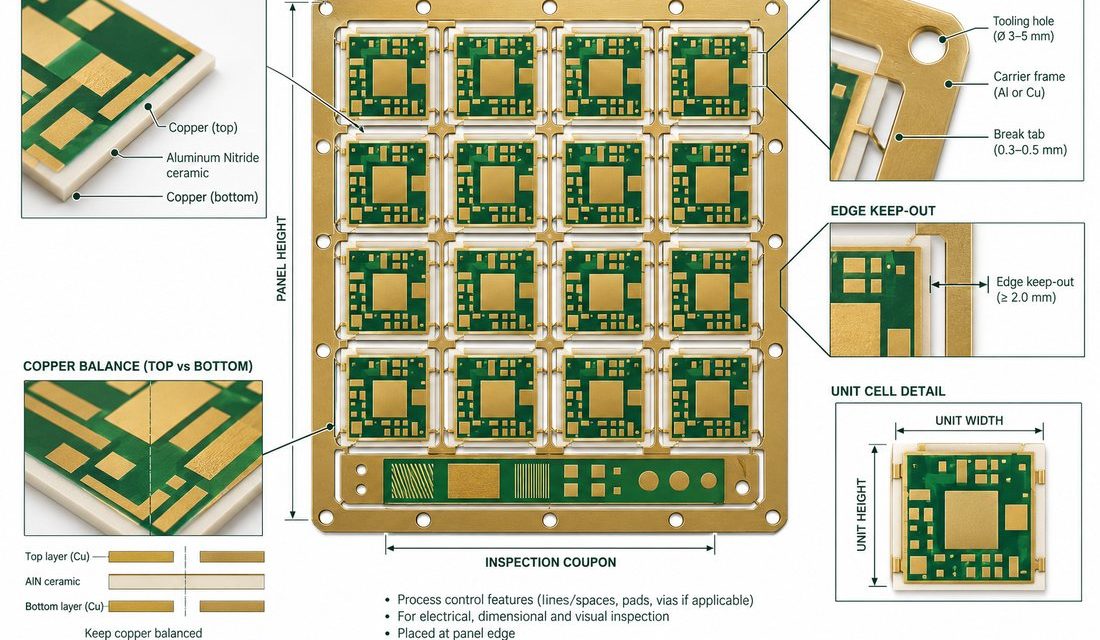
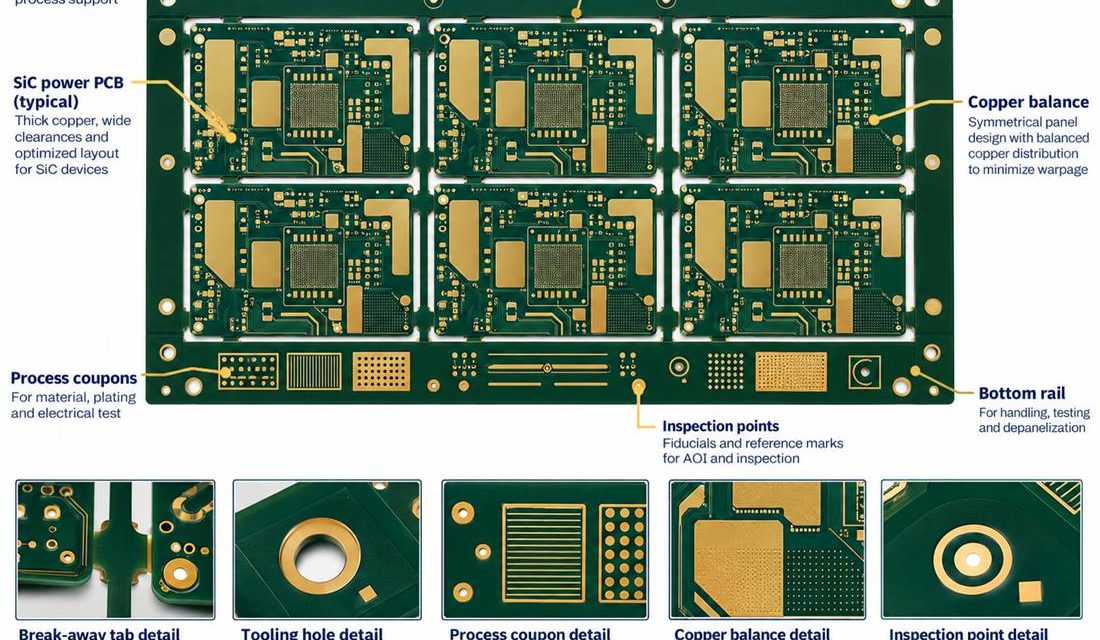
An Aluminum Nitride PCB inverter module release should connect panel handling, copper interfaces, and inspection evidence before production volume is authorized. Inverter modules expose the difference between a ceramic concept and a repeatable production process. Heavy copper, AlN substrate, switching devices, isolation clearances, carrier support, and inspection access all compete for the same panel area....

Aluminum Nitride PCB Direct-Bond Copper: Metallization and Via Reliability Before Qualification

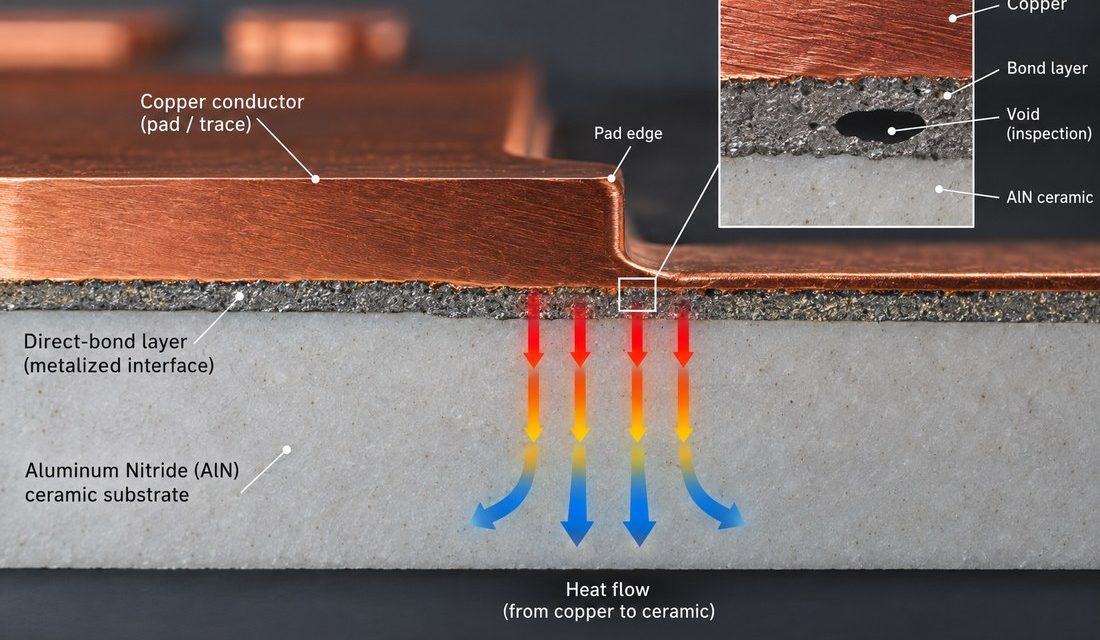
An Aluminum Nitride PCB direct-bond copper release needs a controlled metallization edge, via transition, and inspection record before qualification. Direct-bond copper can deliver a low-resistance thermal and electrical interface on aluminum nitride, but its edge, adhesion, and transition features must survive the same thermal history as the product. A qualification coupon that omits the heavy...

Aluminum Nitride PCB Thermal Paths for RF Power: Releasing Copper and Carrier Interfaces

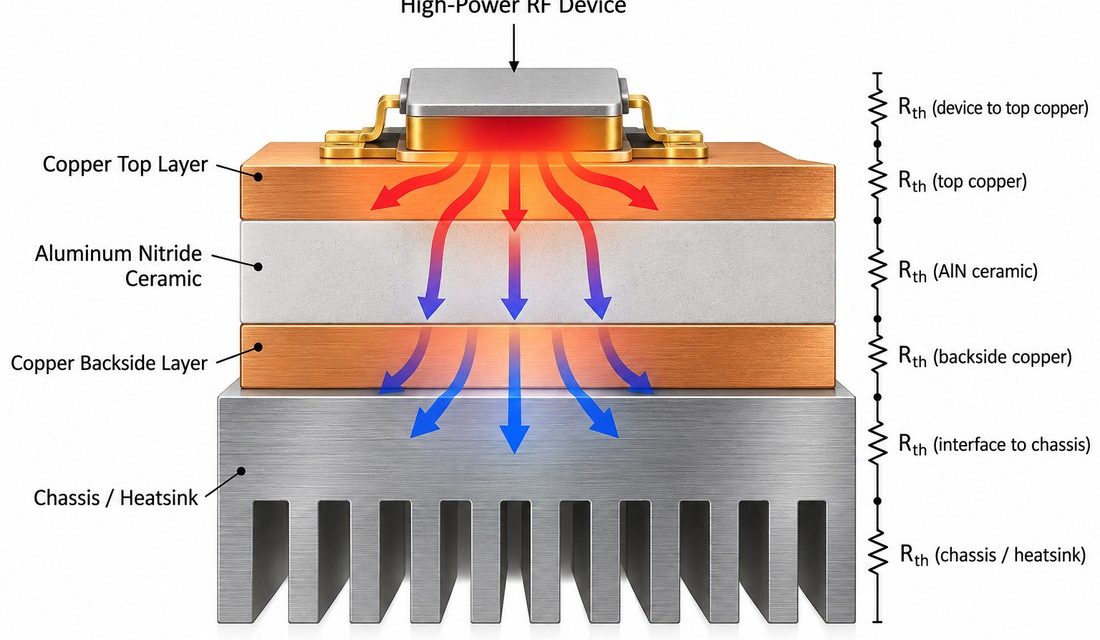
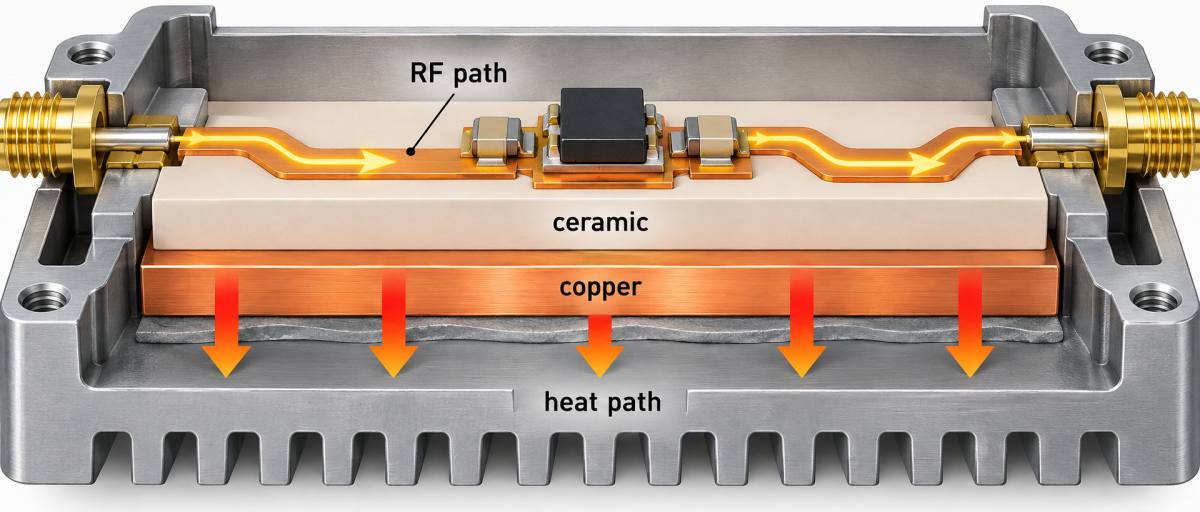
A power amplifier module can have a favorable ceramic thermal value and still miss its temperature margin because the heat path is not released as a complete assembly. An Aluminum Nitride PCB shares heat and RF functions with copper, solder or braze, a carrier, and the enclosure. The project pain is usually an interface assumption:...

Alumina PCB High-Power Reliability: Thermal Cycling, Copper Stress, and Interface Design

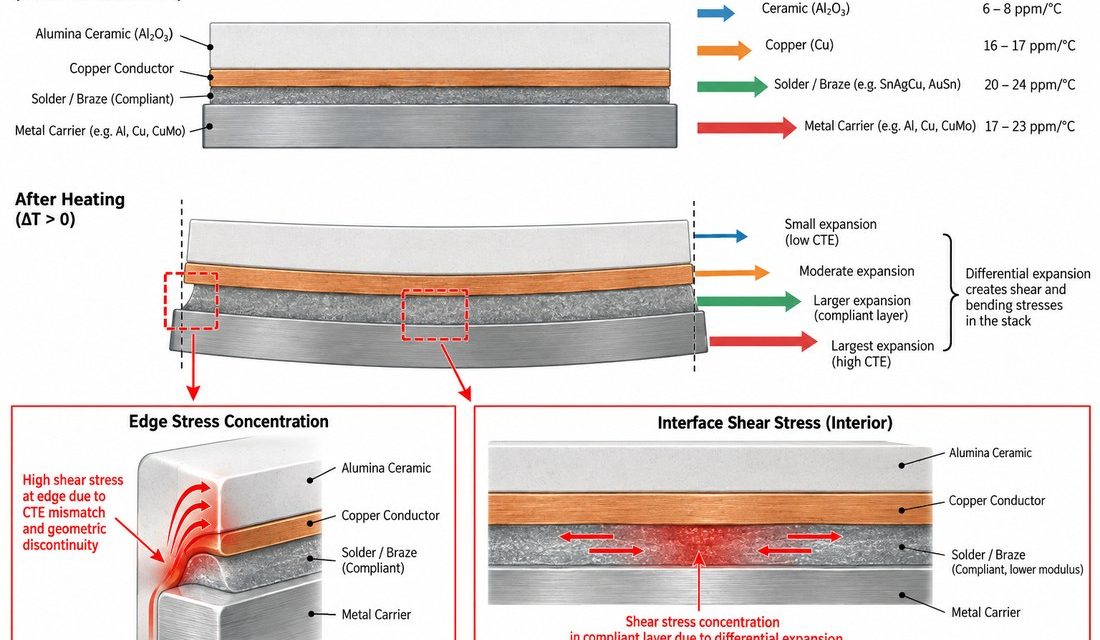
A high-power Alumina PCB can carry heat efficiently only when the copper, substrate, solder or braze, and metal carrier move together. Repeated temperature change makes the interface a mechanical system. The most common project mistake is to qualify the ceramic coupon while the product uses a different copper area, fastener pattern, or thermal interface. A...

Ceramic PCB Thermal Interfaces for High-Power RF Modules: A Release Review

A high-power RF module can meet its electrical target and still fail in the field because the heat path was never released as a complete system. A Ceramic PCB changes the design conversation: the ceramic substrate, copper pattern, attach method, via or metallized interface, and the enclosure all share the same thermal boundary. The project...