Power Electronics PCB - KKPCB
 
HomeTag

Power Electronics PCB - KKPCB

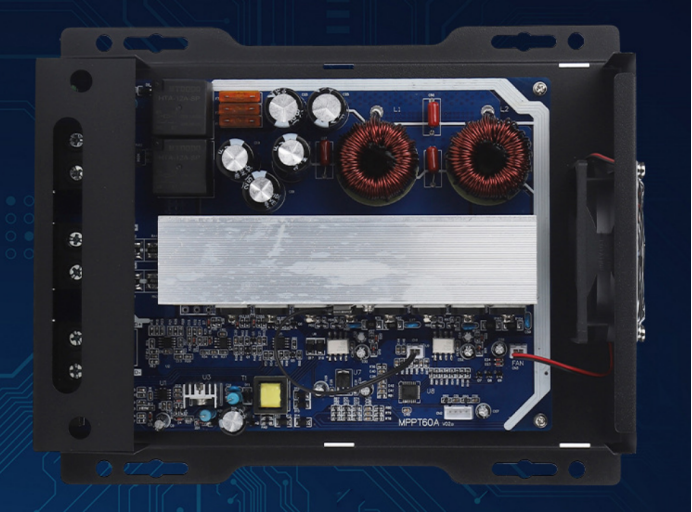
Enhance High-Current Capacity and Thermal Management Using Heavy Copper PCB Stackups for Industrial Power Electronics

Industrial power electronics, including motor drives, UPS systems, and high-power converters, demand PCBs capable of handling high current densities while maintaining thermal stability and signal integrity. Heavy copper PCBs, typically ranging from 2 oz to 12 oz copper weight, enable efficient current flow and significantly improve heat dissipation across multilayer stackups. KKPCB specializes in multilayer...

Enhance Thermal Conductivity and High-Voltage Isolation Using Alumina PCB Substrates for Power Electronics Modules

Alumina PCB substrates have become a cornerstone technology for next-generation power electronics, especially in systems where thermal conductivity, electrical insulation strength, and long-term environmental stability directly define system reliability. As power densities continue to rise in EV inverters, industrial motor drives, renewable-energy converters, and high-voltage power supplies, engineers are increasingly replacing traditional FR-4 and metal-core...
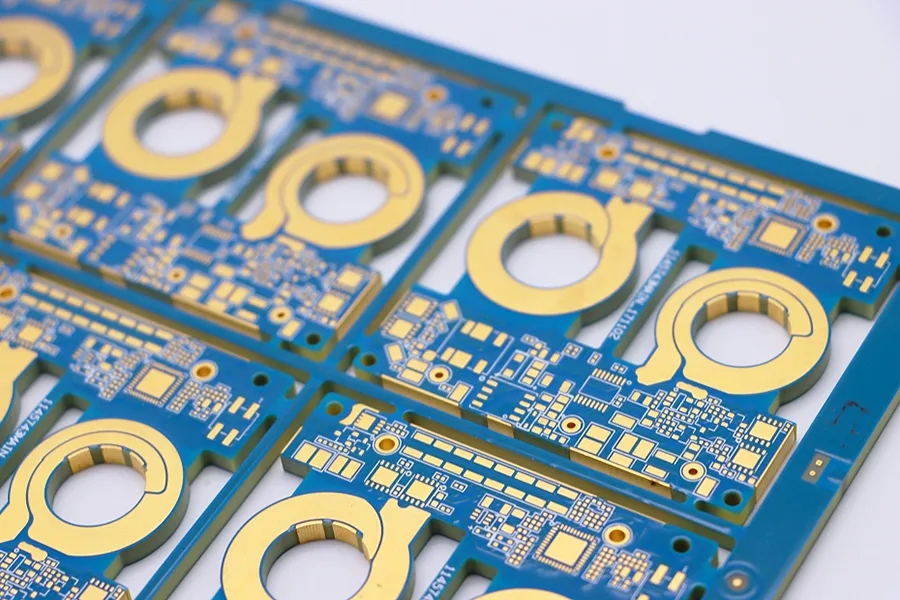
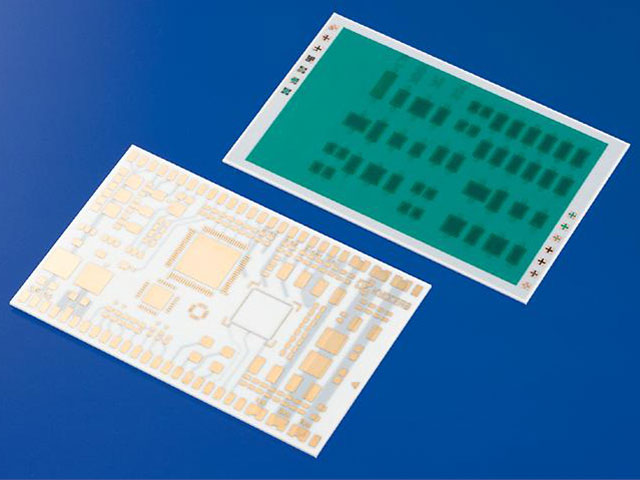
Heavy Copper PCBs: High-Current Performance for Modern Power Electronics

Heavy Copper PCBs: High-Current Solutions for Power Electronics As electronic systems evolve toward higher power density, stronger reliability requirements, and increasingly harsh operating environments, Heavy Copper PCBs have become indispensable across power electronics, automotive systems, industrial control, and energy infrastructure. Unlike standard PCBs—typically manufactured with 1oz–3oz copper—a Heavy Copper PCB is defined as any PCB...

Ceramic PCB Technology: Redefining Thermal Management and Reliability in Modern Electronics

Ceramic PCBs represent a significant advancement in electronic circuit technology, purpose-built for environments where heat management, miniaturization, and long-term durability are essential. Unlike conventional FR-4 boards made from organic laminates, ceramic PCBs use high-performance substrates such as Alumina (Al₂O₃), Aluminum Nitride (AlN), and Beryllium Oxide (BeO). These materials deliver outstanding thermal conductivity, mechanical strength, and...

Aluminum PCB vs. Standard PCB: A Complete Guide to Finding the Right One for You!

1. Introduction: Why PCB Material Selection Matters In modern PCB design and manufacturing, material selection plays a decisive role in product performance, especially in applications involving high power density, heat dissipation, and reliability requirements. Two of the most commonly compared options are: Aluminum PCB (Metal Core PCB, MCPCB) Standard FR4 PCB Each type has unique...

What is Ceramic PCB and Substrate or Alumina PCB?

Why Ceramic PCBs Are Gaining Importance As electronic systems evolve toward higher power density, higher operating temperatures, and higher frequencies, traditional FR4 PCBs face limitations in: Thermal conductivity Heat dissipation capability Mechanical stability under extreme conditions This has led to the increasing adoption of ceramic PCB substrates, especially alumina (Al₂O₃) PCBs, in applications requiring excellent...

What is Ceramic PCB and Substrate or Alumina PCB?

Understanding Ceramic PCB Technology As modern electronics continue evolving toward higher power density, higher frequency, and improved thermal performance, traditional FR4 PCB materials are no longer sufficient for many advanced applications. This has led to the rapid adoption of Ceramic PCB technology, especially Alumina PCB substrates, in industries requiring: Excellent heat dissipation High electrical insulation...

AC Servo Motor PCBA Solution for Industrial Automation

Introduction: The Role of AC Servo Motor PCBA in Automation Systems In modern industrial automation systems, AC servo motor PCBA solutions play a critical role in achieving precise motion control, high efficiency, and reliable system performance. From CNC machines to robotic arms and automated production lines, AC servo motor PCBAs serve as the core control...