HomeTag

PCB Design - KKPCB

Annular Ring in PCB: Key Considerations for Design and Manufacturing

In PCB design and manufacturing, every detail of the circuit structure can influence the reliability and performance of the final product. Among these details, the annular ring is a critical but often overlooked factor that directly affects via reliability, electrical connectivity, and manufacturing yield. The annular ring refers to the copper area surrounding a drilled...
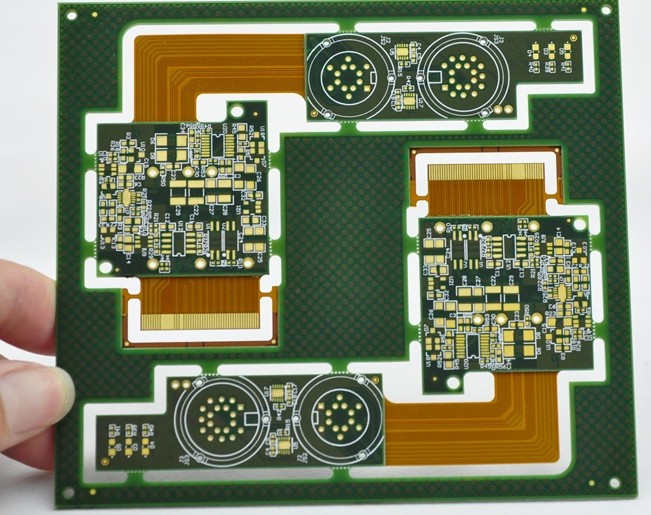
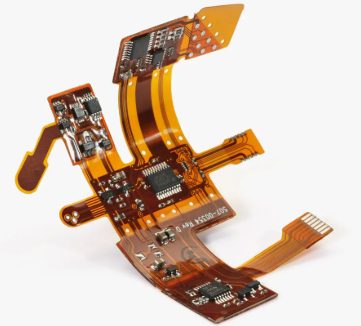
Rigid-Flex PCBs: Features, Benefits and Challenges

Introduction: The Rise of Rigid-Flex PCB Technology As modern electronics continue to evolve toward miniaturization, high reliability, and complex system integration, Rigid-Flex PCBs have become a key solution in advanced PCB design and manufacturing. By combining the strengths of rigid PCBs and flexible PCBs, Rigid-Flex PCB technology enables innovative product designs that are both compact...

Rigid-Flex PCB Cost Optimization: Design and Manufacturing Considerations

As the demand for flexible and rigid-flex PCBs continues to grow, understanding the factors that influence their cost is crucial for optimizing designs and ensuring cost-effective production. Rigid-flex PCBs offer significant advantages, such as enhanced flexibility, reliability, and space-saving capabilities, but they also come with unique challenges that can drive up costs if not properly managed. This...

PCB Drawing: A Summary of Key Practices from Years of Experience

PCB drawing is a critical stage in electronic product development that transforms circuit concepts and schematic designs into physical circuit boards. Although modern PCB design software has significantly improved design efficiency, creating a reliable PCB drawing still requires extensive engineering experience. A PCB layout must not only achieve electrical connections but also consider signal integrity,...

Complete Guide to ESD Prevention in PCB Design

Electrostatic discharge (ESD) is one of the most common reliability challenges in modern electronic products. With increasing levels of integration, smaller component packages, and faster signal transmission speeds, electronic devices have become more sensitive to transient electrical disturbances. ESD events can occur during: Product assembly Transportation User operation Maintenance activities External cable connection A sudden...

Understand the performance and applications of Rogers 6010 and aluminum based high-frequency PCB

Introduction: Choosing the Right High-Frequency PCB Material In modern high-frequency PCB design, material selection plays a decisive role in determining signal integrity, thermal performance, and overall system reliability. Among the most widely used materials, Rogers 6010 and aluminum-based high-frequency PCB solutions stand out for their unique advantages in RF applications, microwave circuits, and high-power electronic...

IC Replacement Skills in PCB Circuit Design

Integrated circuits (ICs) are among the most critical components in modern electronic systems. They determine key functions such as signal processing, power management, communication, control, and data conversion. However, during product development or mass production, engineers may encounter situations where the original IC cannot be used due to: Component shortages Product lifecycle changes Cost optimization...

Enhancing Anti-Static ESD Function in PCB Design

With the increasing integration and miniaturization of electronic products, PCB designs are becoming more sensitive to external electrical disturbances. Among various reliability challenges, Electrostatic Discharge (ESD) is one of the most common threats that can affect electronic system performance and product lifetime. Static electricity generated during human contact, manufacturing processes, transportation, or environmental changes can...

PCB Design Wiring Rules: Best Practices for Optimal Performance

PCB wiring is one of the most critical stages in printed circuit board design. A well-planned routing strategy directly affects signal quality, power stability, electromagnetic compatibility, and manufacturing reliability. As electronic products continue developing toward: Higher operating frequencies Smaller form factors Greater circuit density Increased functional integration traditional wiring methods are no longer sufficient for...

Precautions for PCB Design

PCB design is a critical stage that directly influences the electrical performance, manufacturability, reliability, and production efficiency of electronic products. As modern electronic systems continue developing toward higher speed, smaller size, and greater functional integration, PCB designers must consider more than just circuit connectivity. Factors such as signal integrity, power distribution, thermal management, component placement,...