HomeTag

PCB Design - KKPCB

Thermal Conductivity of Metals in PCB Design: High vs Low Conductivity Materials Explained

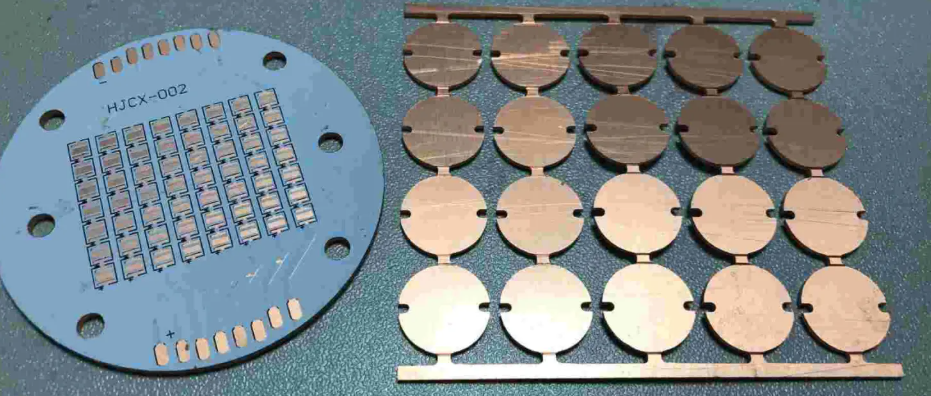
1. Why Thermal Conductivity of Metals Matters in PCB Applications Metals are widely used in electronic devices and printed circuit boards (PCBs) due to their excellent electrical and thermal properties. However, not all metals conduct heat equally. High thermal conductivity metals rapidly transfer heat and are ideal for heat dissipation Low thermal conductivity metals restrict...
Robotics PCB Architecture: High-Density, High-Speed, and High-Reliability Engineering for Autonomous and Industrial Robotics

Introduction: PCB Architecture as the Core of Robotics Systems In modern autonomous robotics and industrial robotics, the design of Robotics PCB architecture plays a decisive role in determining system performance, real-time responsiveness, and operational reliability. As robots become more intelligent, compact, and interconnected, the demand for high-density, high-speed, and high-reliability PCB solutions continues to grow....

PCB Prototype Engineering: Achieving High Reliability, High Speed, and High Precision in Modern Electronics

Introduction: Why PCB Prototype Engineering Defines Modern Electronics A PCB Prototype is no longer just a pre-production sample—it is the central engineering stage that determines product performance, manufacturability, reliability, and cost.In advanced electronics such as 5G, IoT, robotics, automotive, aerospace, AI edge computing, and industrial automation, a well-engineered PCB Prototype ensures signal integrity, thermal stability,...

Advantages, Challenges, and Design Considerations in Modern PCB Manufacturing

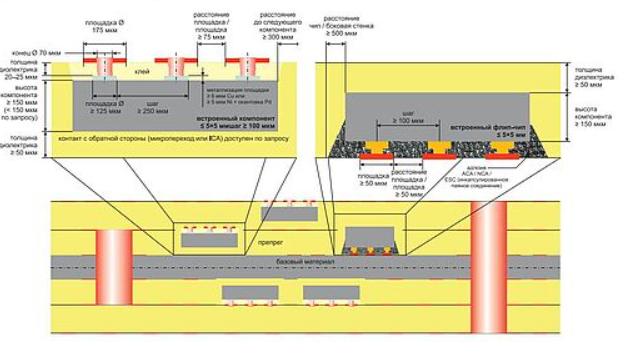
The Evolution of Embedded Component Technology in Modern Electronics Looking back at the evolution of computing—from Apollo workstations and early mainframes to ultrathin laptops and smartphones—the miniaturization of electronic components has always been central to technological progress. As devices become smaller and more powerful, engineers must balance form factor, functionality, PCB materials, signal integrity, power...

Medical PCB Manufacturing: Technologies, Design Principles & Advanced Applications

Medical PCB Manufacturing: Technologies, Design, and the Future of Electronic Healthcare As medical technology continues to evolve, diagnostics and treatments increasingly depend on sophisticated automated systems. These systems rely on high-precision PCBs (Printed Circuit Boards)—miniaturized, high-density circuit assemblies that integrate numerous components within limited space. To guarantee performance, medical PCB assemblies incorporate advanced design features...

Taconic TLY-5 PCB Material: A Complete Technical Guide for High-Frequency, RF, and Microwave Applications

The Role of TLY-5 in High-Frequency PCBs Taconic TLY-5 PCB material is a PTFE-based high-frequency laminate designed to meet the demanding requirements of RF, microwave, and high-speed PCB applications. Its low dielectric loss, stable dielectric constant, and excellent thermal and mechanical properties make it a top choice for wireless communication systems, industrial wireless sensor networks...

Single Layer PCBs: A Complete Technical Guide to Structure, Design Rules, Manufacturing Processes, and Applications

Why Single Layer PCBs Still Matter Although modern electronics are increasingly dominated by multilayer PCBs, HDI structures, and high-frequency RF boards, single layer PCBs (Single-Sided PCBs) remain widely used due to their low cost, simple design, and high manufacturability. Single layer PCBs are still essential in: Cost-sensitive electronic products Simple analog circuits Power control modules...

Advancing Dielectric Uniformity and RF Efficiency of Taconic TLY-5 PCB Laminates for Industrial Wireless Sensor Networks

Enabling High-Performance Industrial Wireless Networks In industrial wireless sensor networks (IWSNs), PCB materials play a critical role in achieving reliable communication and efficient signal transmission. Taconic TLY-5 PCB laminates are engineered for high-frequency applications, offering exceptional dielectric uniformity, low dissipation factor, and excellent RF performance, making them ideal for industrial IoT and wireless sensor networks....

PCB Design Guidelines for EMC Compliance

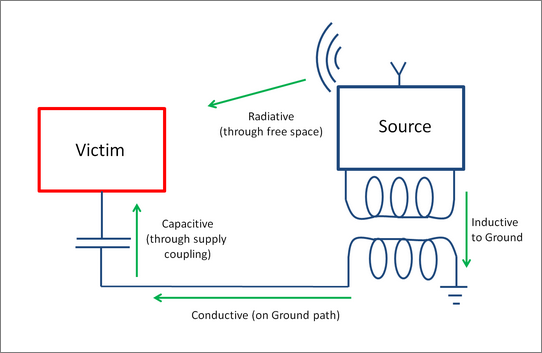
Why EMC Matters in PCB Design Electromagnetic Compatibility (EMC) is a key requirement in modern PCB design, ensuring that electronic systems operate reliably without generating or being affected by electromagnetic interference (EMI). Proper PCB layout—especially GND routing, trace spacing, and layer design—plays a decisive role in reducing ESD (Electrostatic Discharge) and improving overall signal integrity....

Why Should Vias Be Staggered from Pad Positions in PCB Design?

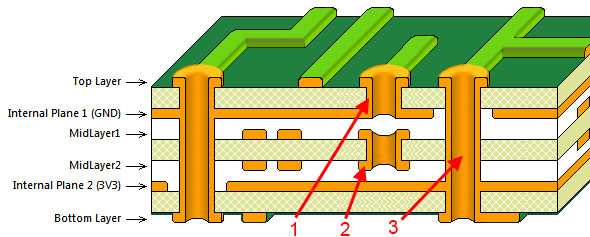
 The Importance of Via Placement in PCB Design In PCB design, via positioning plays a crucial role in ensuring electrical performance, manufacturing reliability, and signal integrity. Improper via placement—especially placing vias directly on component pads—can lead to soldering defects, electrical noise, and higher production costs. This article explains why vias should be staggered from pad...