PCB Design - KKPCB
 
HomeTag

PCB Design - KKPCB

High-Frequency PCB: High-Speed ​​Circuits for Signal Transmission

1. Introduction: Why High-Frequency PCBs Are the Backbone of Modern Signal Transmission In today’s electronics industry, the demand for high-speed signal transmission and high-frequency communication is rapidly increasing due to the expansion of 5G/6G networks, automotive radar systems, satellite communications, and data center interconnects. At these high frequencies (GHz to mmWave range), signal behavior is...

How to target the heat of high-temperature PCBs?

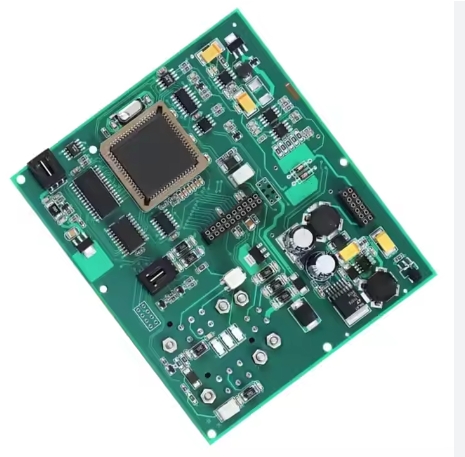
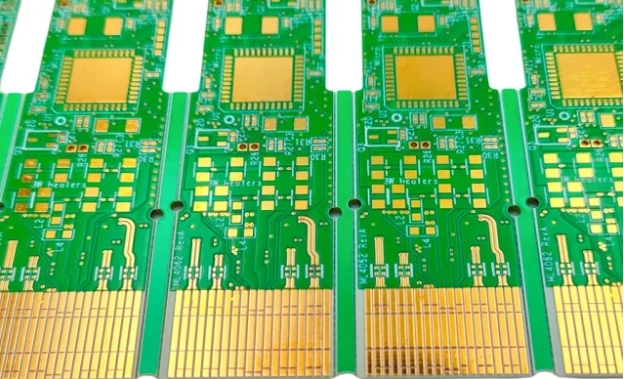
Have you ever wondered what a PCB is? A printed circuit board (PCB) is an electronic component used to connect various electrical devices. Copper conductors make electrical connections between components on a printed circuit board (PCB) (electronic assembly). The printed circuit board provides mechanical support for the electronic components, leaving space for the device in the housing....

Which PCB Coating vs Resin Protection is Best?

Amid the increasing climate change, protection has become a top priority for every advancement. Moreover, we cannot deny that tech products require strong resistance to harsh weather, rain, sun or electromagnetic currents. Resins and coatings protect printed circuit boards to ensure their compatibility. This helps focus on which environmental factors affect the PCB from the outside and...

What is a High Frequency PCB?

Introduction: Why High Frequency PCB Matters As modern electronics continue to evolve toward high-speed communication and high-frequency signal transmission, the demand for High Frequency PCBs has grown significantly. Applications such as 5G communication, radar systems, and satellite technology require circuit boards that can handle high-frequency signals with minimal signal loss and excellent signal integrity. Understanding...

Advantages and Disadvantages of Surface Mount Technology (SMT)

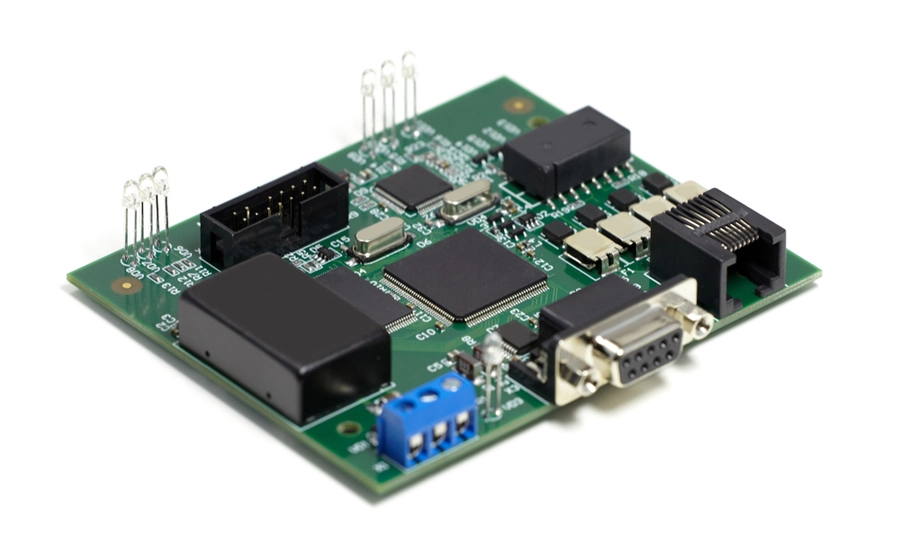
The Importance of SMT in Modern PCB Assembly In modern electronics manufacturing, Surface Mount Technology (SMT) has become the dominant method for PCB assembly. By enabling compact designs and high-speed production, SMT PCB assembly plays a critical role in industries such as consumer electronics, automotive systems, and communication technology. However, like any PCB assembly technology,...

Overview of SMD Components and Their Characteristics

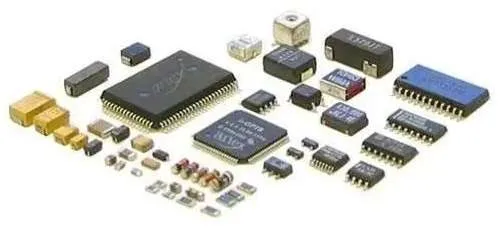
Introduction: The Importance of SMD Components in Modern Electronics In today’s electronics manufacturing industry, SMD components (Surface Mount Device components) are the foundation of modern SMT PCB assembly. As electronic products move toward miniaturization, high performance, and high-density integration, SMD components have become essential in nearly all PCB assembly processes. Understanding the characteristics of SMD...

Advanced PCBs – Design, Manufacturing, and Assembly

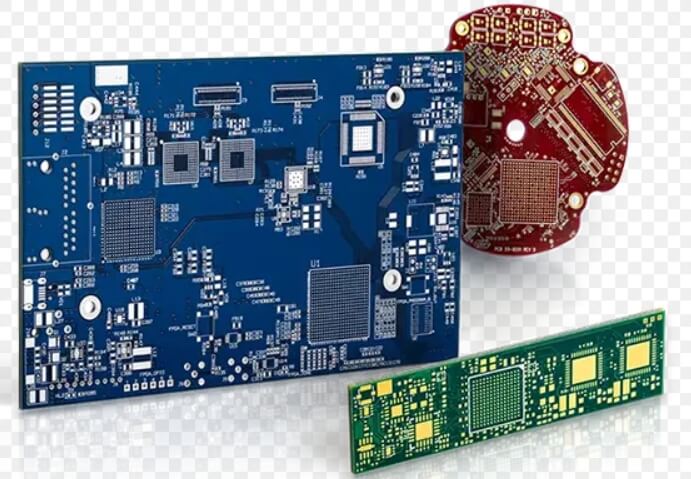
Advanced PCBs represent the cutting edge of printed circuit board technology, enabling compact, high-performance, and highly reliable electronic systems for demanding applications such as 5G/6G infrastructure, ADAS automotive radar, AI computing, aerospace electronics, Industrial IoT, and medical devices. These boards go far beyond standard FR-4 designs, incorporating HDI (High-Density Interconnect), rigid-flex, high-frequency low-loss materials, heavy...

Rigid Flex PCB Cost Optimization

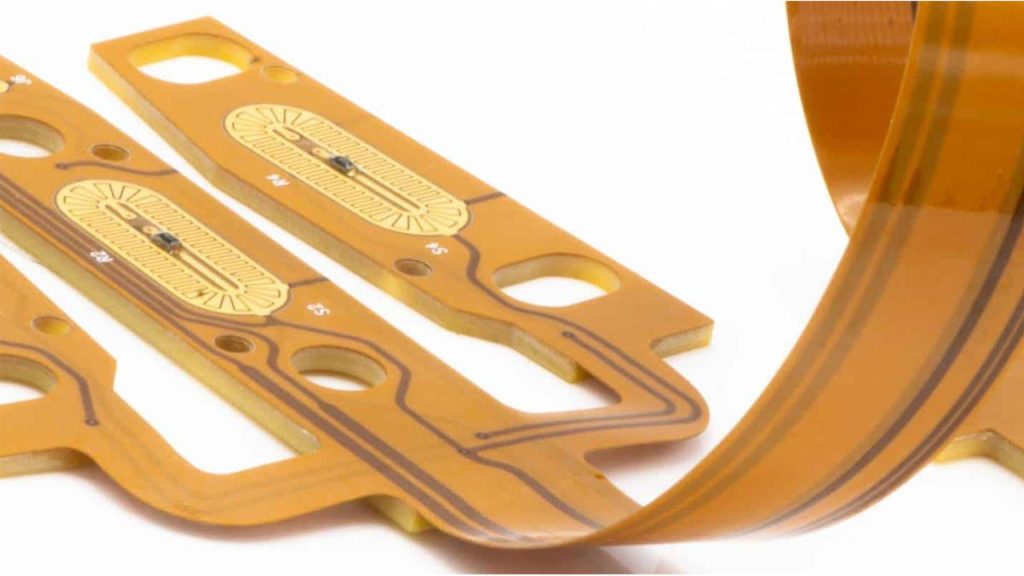
Master Your Budget: Proven Strategies for Rigid Flex PCB Cost Optimization In modern electronics, Rigid-Flex PCB technology is the gold standard for compact, high-reliability designs. However, the complexity of Rigid-Flex manufacturing often leads to higher production expenses. Achieving effective Rigid Flex PCB cost optimization requires a strategic balance between sophisticated engineering and smart logistical choices. At KKPCB, we help engineers navigate these...

The Five Golden Rules of PCB Design

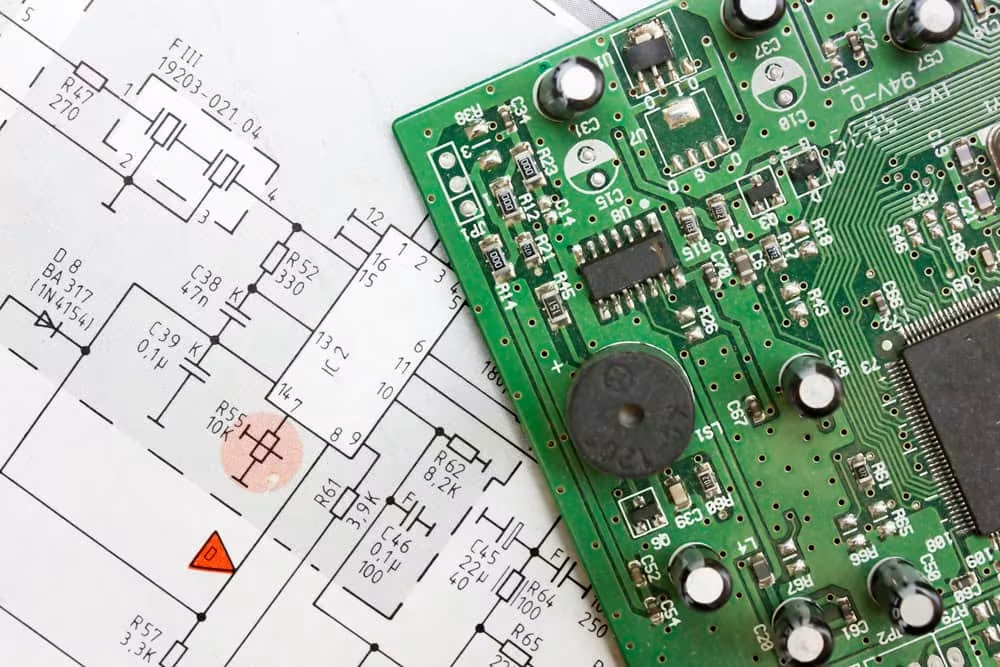
Printed Circuit Board (PCB) design is a critical step in the development of any electronic product. A well-designed PCB ensures reliability, performance, and manufacturability, while a poor design can lead to costly failures and delays. Below are five golden rules that every PCB designer should follow. 1. Prioritize Clear and Logical Layout A clean and...

10 Key Steps to Ensure Signal Integrity (SI) in PCB Design

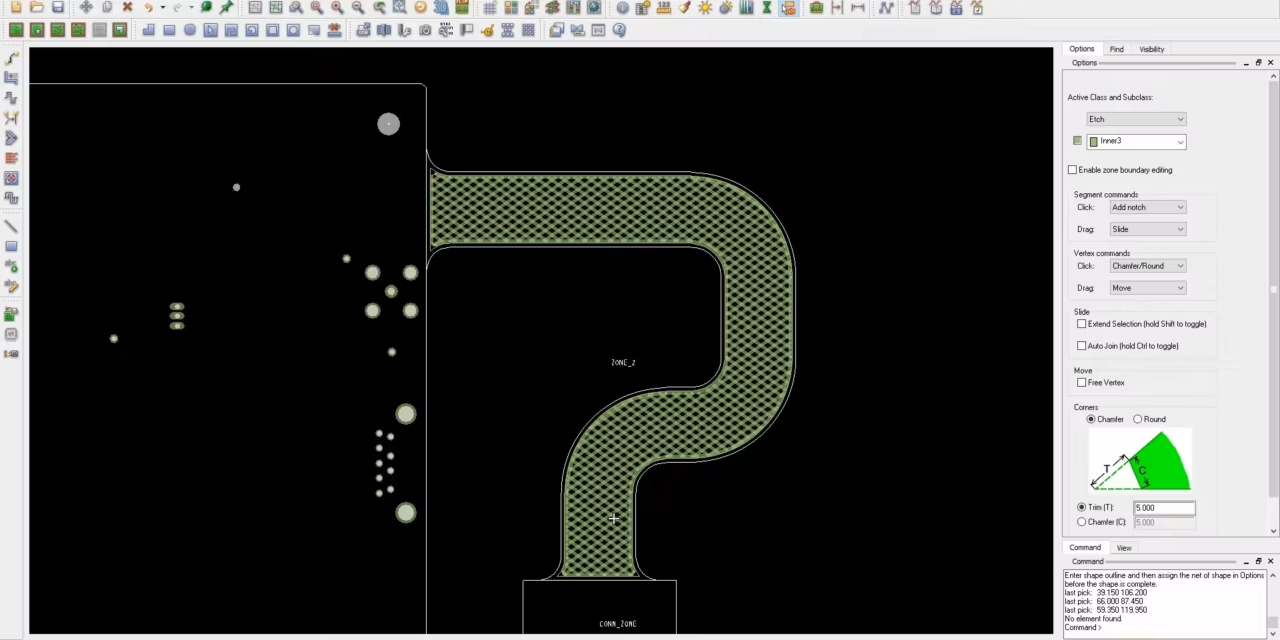
Introduction: Addressing signal integrity (SI) issues early in the PCB design process can streamline the design and eliminate the need for corrective termination devices later. Here, we outline critical steps to maintain signal integrity, from planning through testing. 1. Preparation Before Design Begin by defining your SI requirements and design strategy. Early-stage planning will guide component selection,...