HomeTag

design - KKPCB

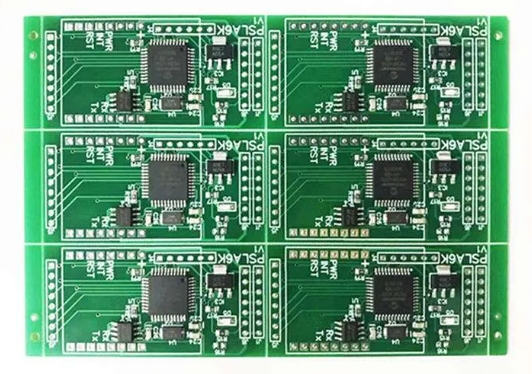
PCB Production Process: Subtractive and Additive Methods

Printed Circuit Boards (PCBs) are the foundation of modern electronic products, providing electrical connections and mechanical support for components. From consumer electronics and automotive systems to communication equipment and semiconductor applications, PCB manufacturing technology directly influences product performance, reliability, and production efficiency. During PCB fabrication, conductive patterns are created through different manufacturing approaches. The two...
How to Design RF Circuits and PCB Layouts

With the rapid development of wireless communication, radar systems, IoT devices, automotive electronics, and high-speed electronic products, RF (Radio Frequency) circuit design has become increasingly important. Compared with conventional PCB designs, RF PCB design involves more complex challenges related to signal integrity, impedance control, electromagnetic interference (EMI), and material selection. At high frequencies, even small...

HTCC Multilayer Substrate

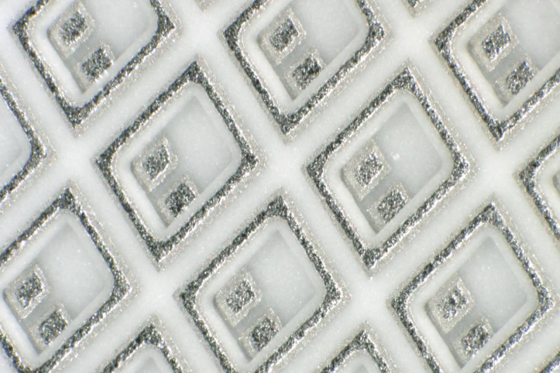
With the continuous development of electronic systems toward higher performance, higher reliability, miniaturization, and harsh-environment operation, traditional PCB technologies face increasing challenges in applications requiring: High-temperature resistance Excellent electrical insulation High-frequency performance Long-term reliability Compact integration HTCC (High Temperature Co-fired Ceramic) multilayer substrate technology has become an important solution for advanced electronic packaging and high-reliability...

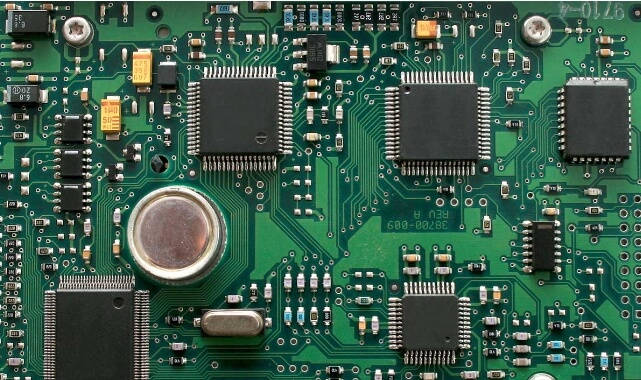
Multilayer PCBs: Overview, Manufacturing, and Design Considerations

With the continuous evolution of electronic products toward higher functionality, smaller form factors, and increased signal complexity, traditional single-layer and double-layer PCBs are often unable to meet modern design requirements. Multilayer PCBs have become an essential technology for advanced electronic systems by providing more routing space, improved electrical performance, and enhanced design flexibility. By integrating...

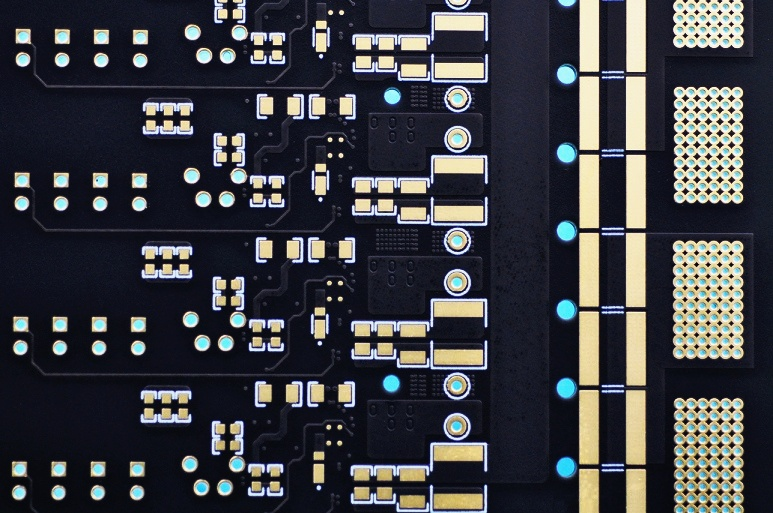
HDI Printed Circuit Board (PCB)

With the continuous development of electronic products toward miniaturization, higher performance, and greater functional integration, traditional PCB technologies are facing increasing limitations in terms of wiring density and space utilization. HDI (High Density Interconnect) PCB technology has become one of the most important advanced PCB solutions for modern electronic systems. By using microvias, fine lines,...

Advantages and Disadvantages of Multilayer PCBs

With the continuous development of electronic products toward higher performance, smaller size, and greater functional integration, traditional single-layer and double-layer PCBs can no longer satisfy the requirements of many advanced applications. A multilayer PCB is a circuit board composed of multiple conductive copper layers laminated together with insulating dielectric materials. By increasing the number of...

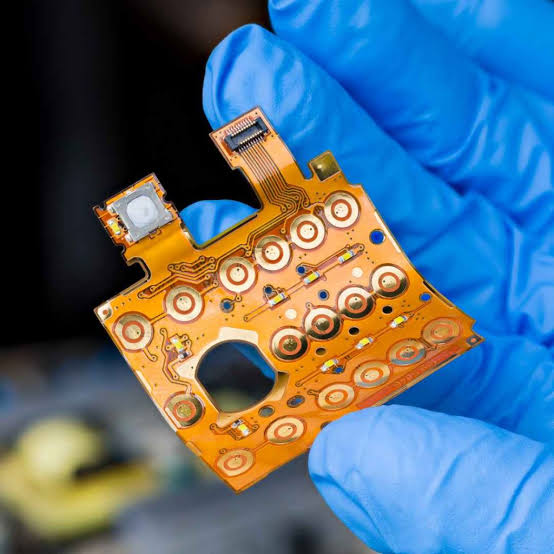
4 layer Flex PCB Manufacturing and Stackup guidelines

With the increasing demand for compact, lightweight, and highly reliable electronic products, flexible printed circuit boards (Flex PCBs) have become an important solution for modern electronic design. Compared with traditional rigid PCBs, Flex PCBs provide: Space-saving three-dimensional installation Reduced weight and thickness Improved mechanical flexibility Fewer connectors and wiring components Better resistance to vibration and...

Annular Ring in PCB: Key Considerations for Design and Manufacturing

In PCB design and manufacturing, every detail of the circuit structure can influence the reliability and performance of the final product. Among these details, the annular ring is a critical but often overlooked factor that directly affects via reliability, electrical connectivity, and manufacturing yield. The annular ring refers to the copper area surrounding a drilled...

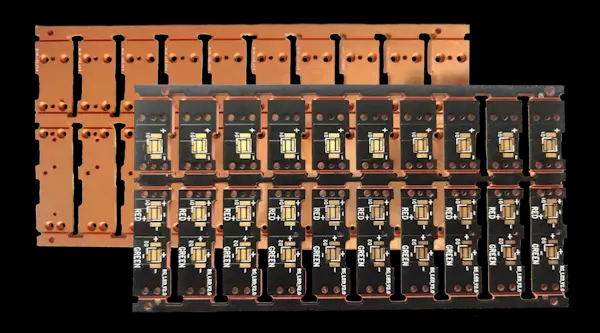
Copper Core PCB: A Revolution in the Electronics Industry

With the rapid development of high-power electronics, electric vehicles, LED lighting, renewable energy systems, and advanced industrial equipment, thermal management has become one of the most critical challenges in electronic product design. As electronic components become more compact while power density continues to increase, traditional FR-4 PCBs may face limitations in heat dissipation performance. Copper...

Advantages and Applications of Double-Sided PCB

A double-sided PCB (Double-Sided Printed Circuit Board) is a type of circuit board with copper layers on both the top and bottom sides, allowing electrical connections and component placement on both surfaces. Compared with single-sided PCBs, double-sided PCBs provide significantly higher routing density and greater design flexibility. Compared with multilayer PCBs, they offer a more...