HomeTag

High Power PCB - KKPCB

SiC PCB DFM Release: 5 Production Checks

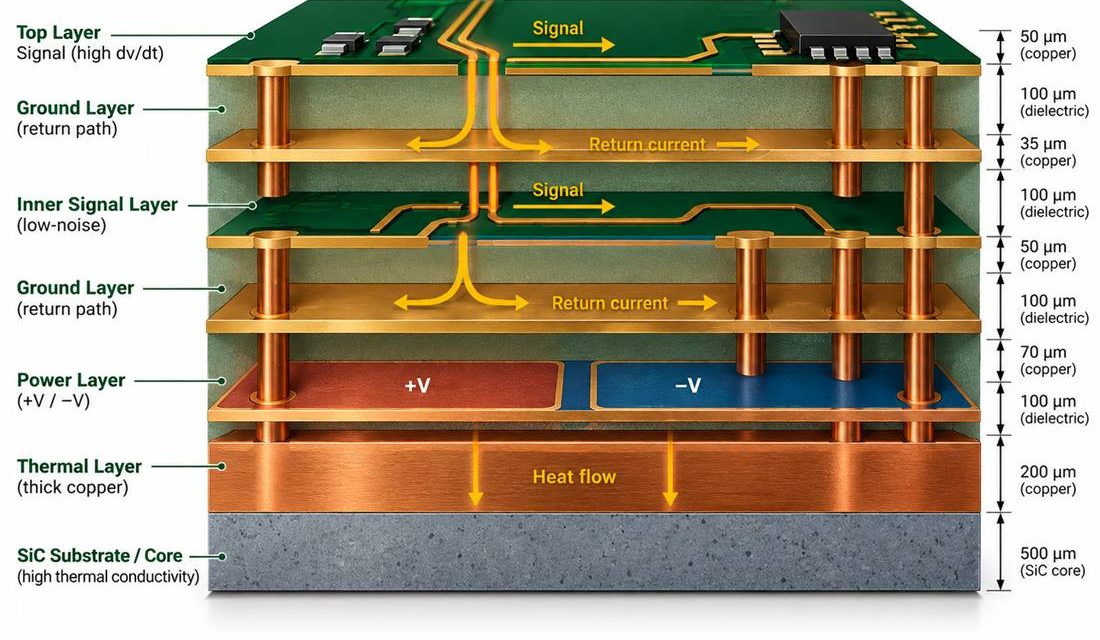
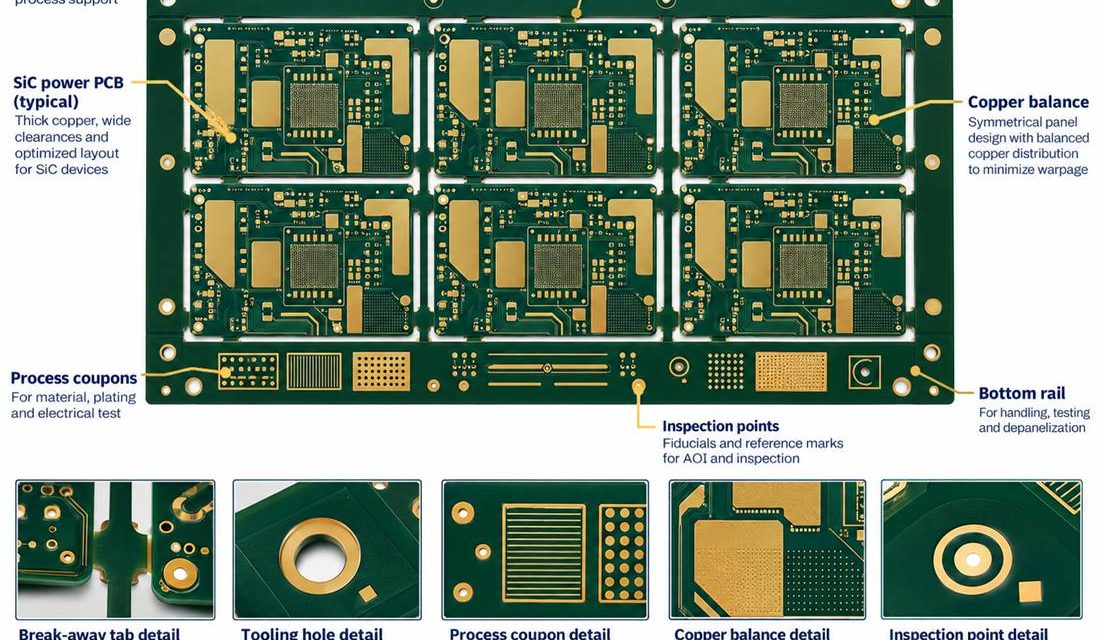
When a team selects SiC PCB, it is usually solving a specific product constraint rather than buying a label. This article takes a dfm view of silicon-carbide power devices and their copper or ceramic carrier interfaces. The project pain is commutation-loop inductance, heat-spreader stiffness, and the difference between a device rating and a board-leve l...
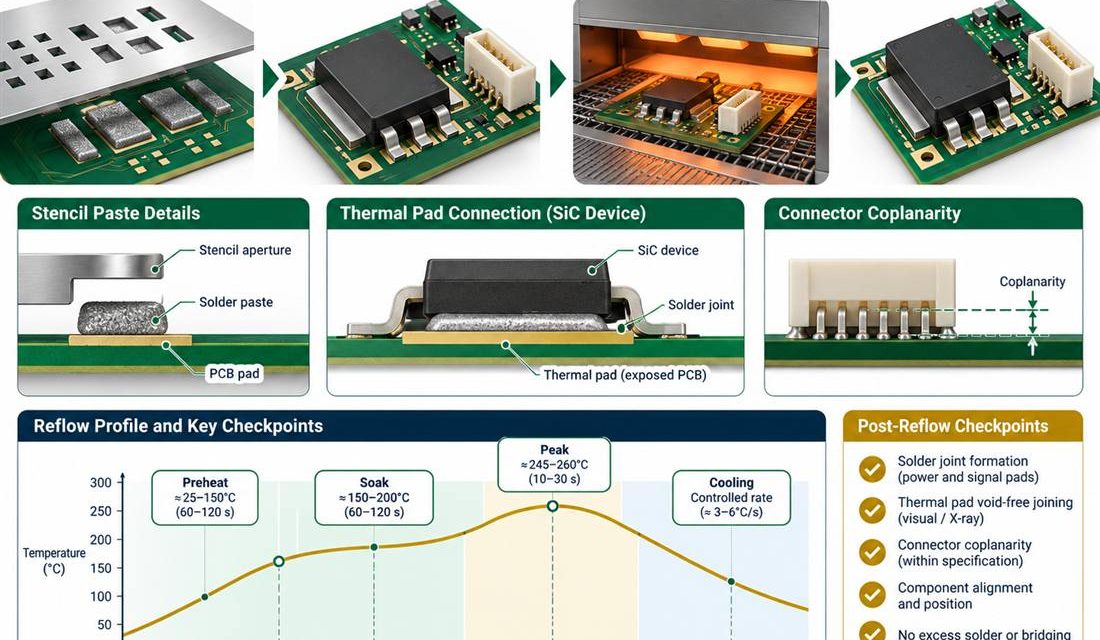
SiC PCB Assembly: 5 Reliability Controls

When a team selects SiC PCB, it is usually solving a specific product constraint rather than buying a label. This article takes a assembly view of silicon-carbide power devices and their copper or ceramic carrier interfaces. The project pain is commutation-loop inductance, heat-spreader stiffness, and the difference between a device rating and a board-level thermal...

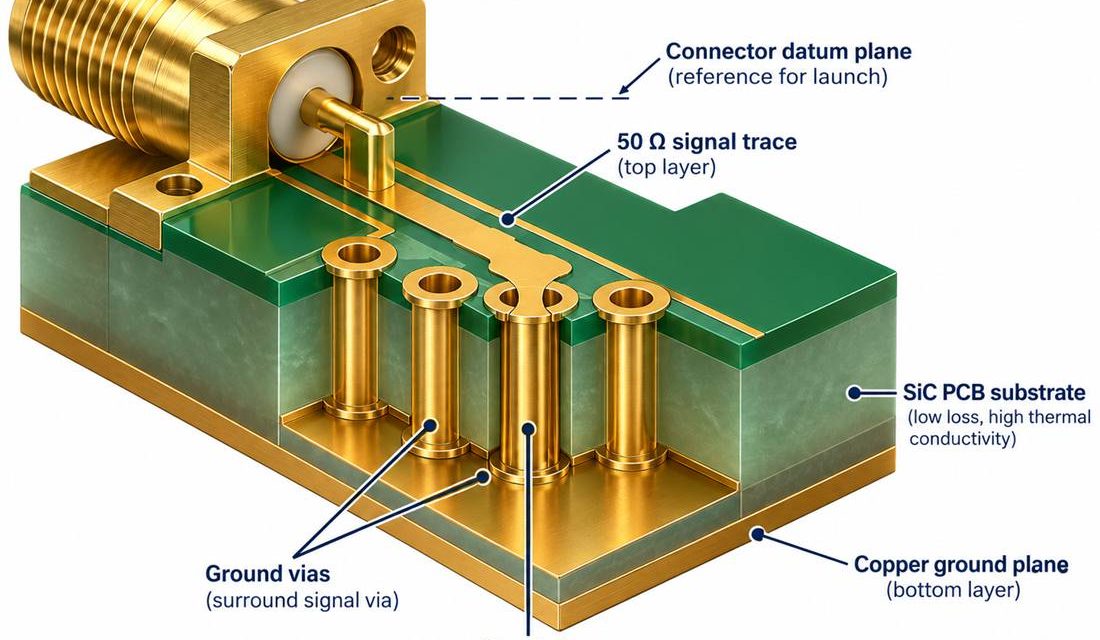
SiC PCB Via Launch: 5 Transition Checks

When a team selects SiC PCB, it is usually solving a specific product constraint rather than buying a label. This article takes a transition view of silicon-carbide power devices and their copper or ceramic carrier interfaces. The project pain is commutation-loop inductance, heat-spreader stiffness, and the difference between a device rating and a board-level thermal...

SiC PCB Thermal Design: 5 Release Checks for Power Modules

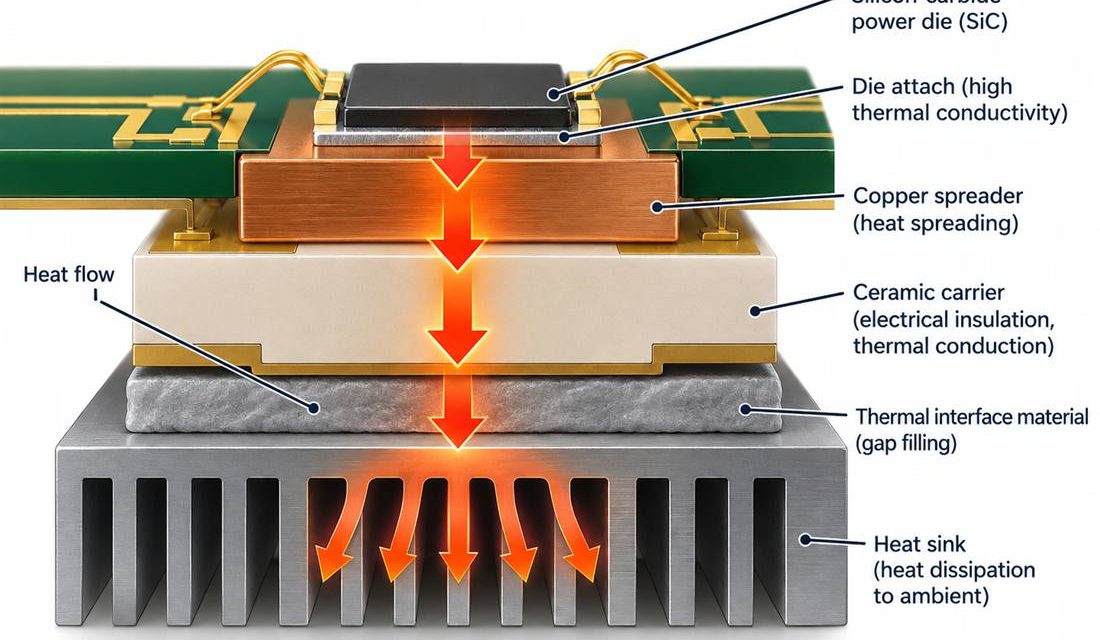
When a team selects SiC PCB, it is usually solving a specific product constraint rather than buying a label. This article takes a thermal view of silicon-carbide power devices and their copper or ceramic carrier interfaces. The project pain is commutation-loop inductance, heat-spreader stiffness, and the difference between a device rating and a board-level thermal...

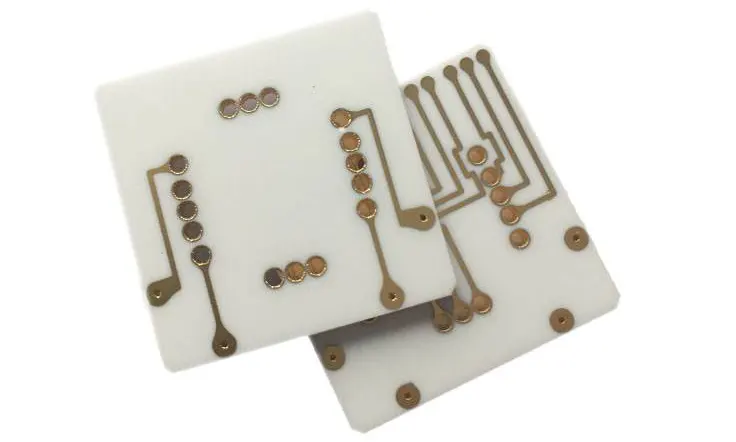
Alumina PCB High-Power Reliability: Thermal Cycling, Copper Stress, and Interface Design

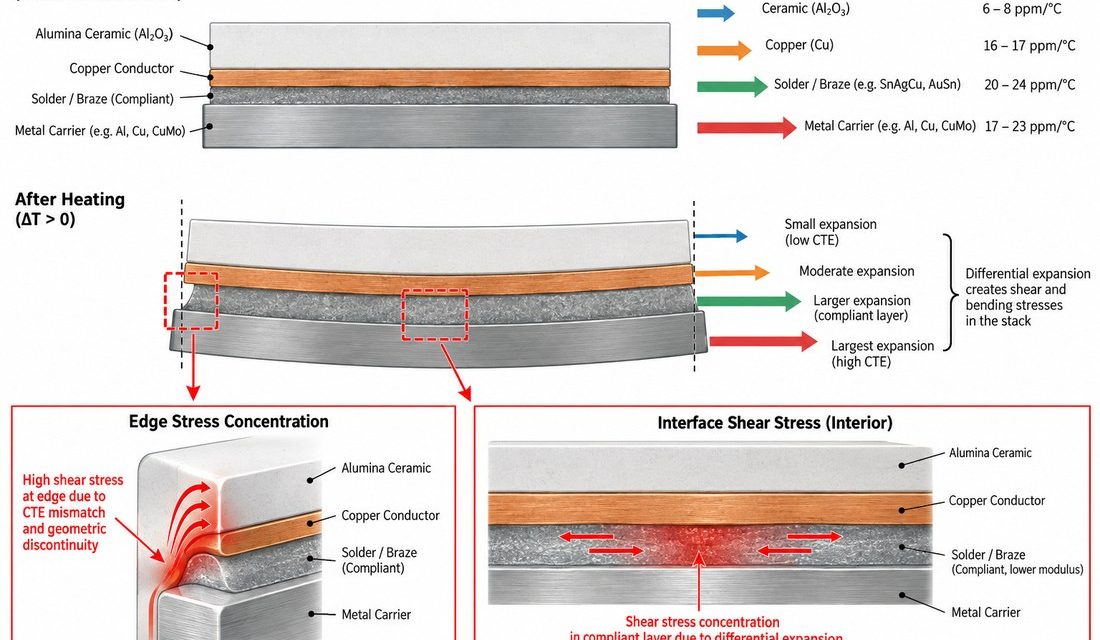
A high-power Alumina PCB can carry heat efficiently only when the copper, substrate, solder or braze, and metal carrier move together. Repeated temperature change makes the interface a mechanical system. The most common project mistake is to qualify the ceramic coupon while the product uses a different copper area, fastener pattern, or thermal interface. A...

High Current PCBs: Engineering Reliable Power Delivery for Demanding Applications

What is a High Current PCB? A High Current PCB is a printed circuit board specifically engineered to carry significant electrical current—ranging from several amperes to hundreds of amperes—without excessive heat generation, voltage drop, or reliability issues. Unlike standard PCBs, high current designs must address resistive losses (I²R), thermal buildup, and mechanical stress. If not...

Heavy Copper PCB: High-Current and Thermal Management PCB Solutions for Power Electronics

 Why Heavy Copper PCB Technology Is Increasingly Important Modern electronic systems are rapidly demanding: Higher power density Greater current carrying capability Improved thermal reliability More compact power architectures Enhanced system durability Applications such as: Electric vehicles Industrial automation systems Renewable energy equipment Aerospace power electronics High-power communication infrastructure require PCB solutions capable of handling: High...

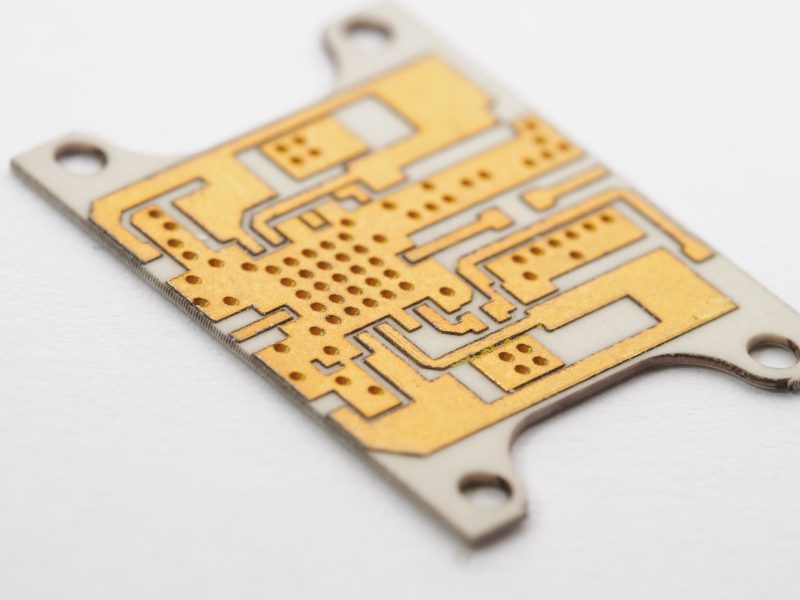
Aluminum Nitride PCBs: High-Thermal-Performance Solutions for Advanced Electronics

An Aluminum Nitride (AlN) PCB is a printed circuit board built using aluminum nitride substrates, which provide high thermal conductivity (up to 170–200 W/m·K) and excellent electrical insulation. These properties make AlN PCBs ideal for high-power devices, RF circuits, and applications requiring efficient heat dissipation in compact layouts. AlN PCBs are commonly used in: Power...

Ceramic PCBs: Optimized for High-Power and High-Frequency Applications

What is a Ceramic PCB? A Ceramic PCB is a printed circuit board built using ceramic substrates like alumina (Al₂O₃), aluminum nitride (AlN), or silicon nitride (Si₃N₄) instead of standard FR-4 or PTFE materials. These substrates are thermally conductive, electrically insulating, and mechanically robust, making them ideal for high-power electronics and RF/microwave applications. Ceramic PCBs...