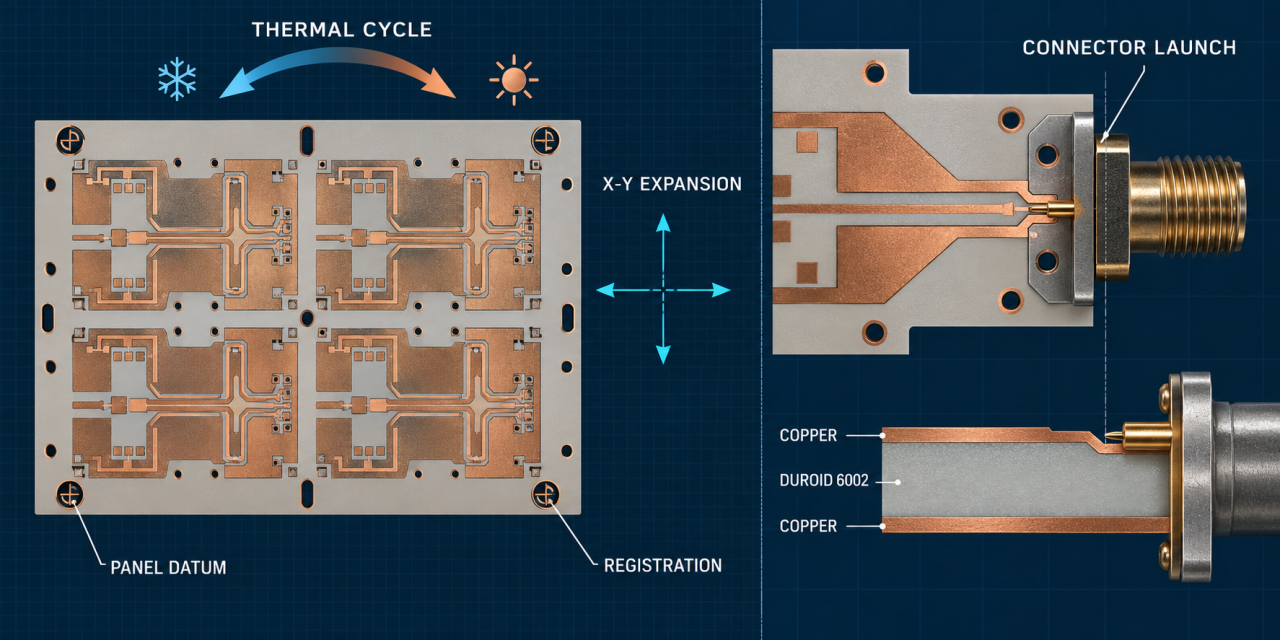
Contents Why thermal registration matters Six controls for stable microwave geometry Conditioning and inspecti...

Contents Why thermal registration matters Six controls for stable microwave geometry Conditioning and inspecti...
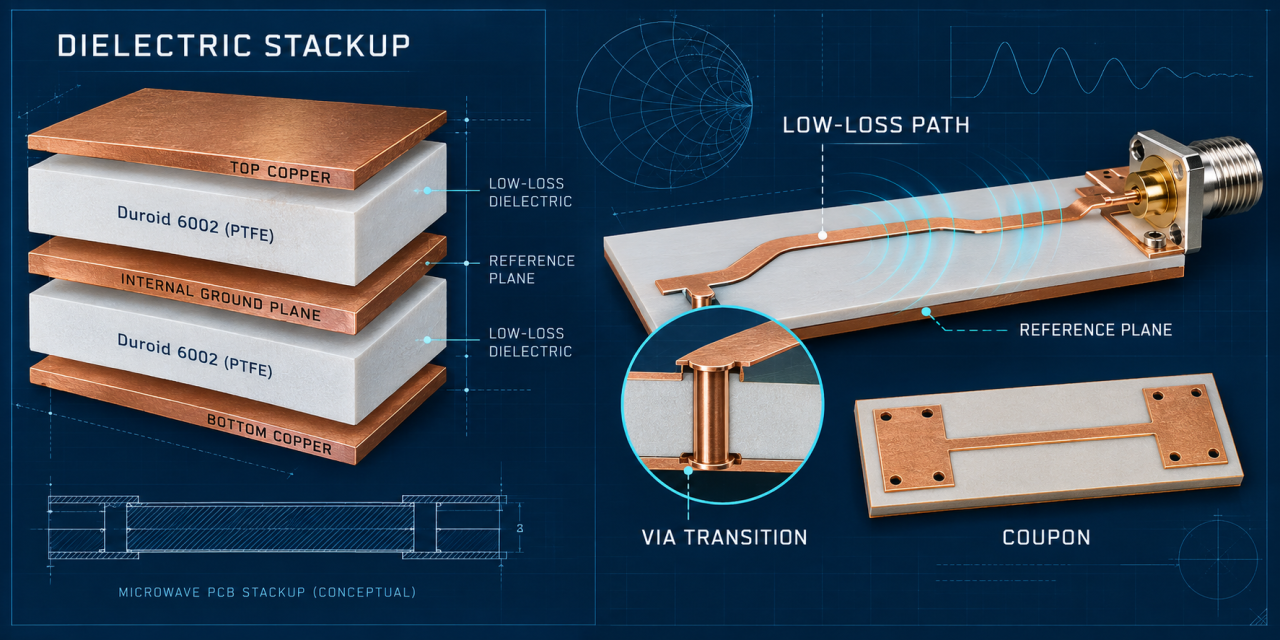
Contents Why low-loss stackup choices drift Seven controls for a stable release Fabrication and inspection flo...
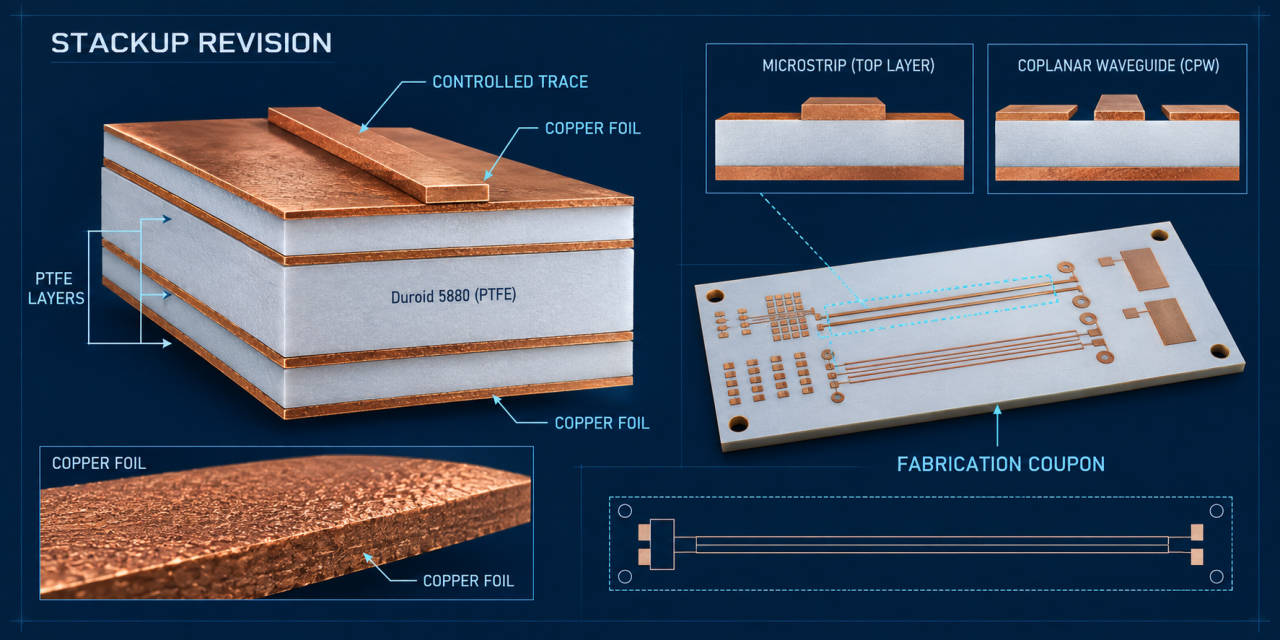
Contents Why stackup drift changes RF behavior Six stackup and impedance controls Coupon and release workflow ...
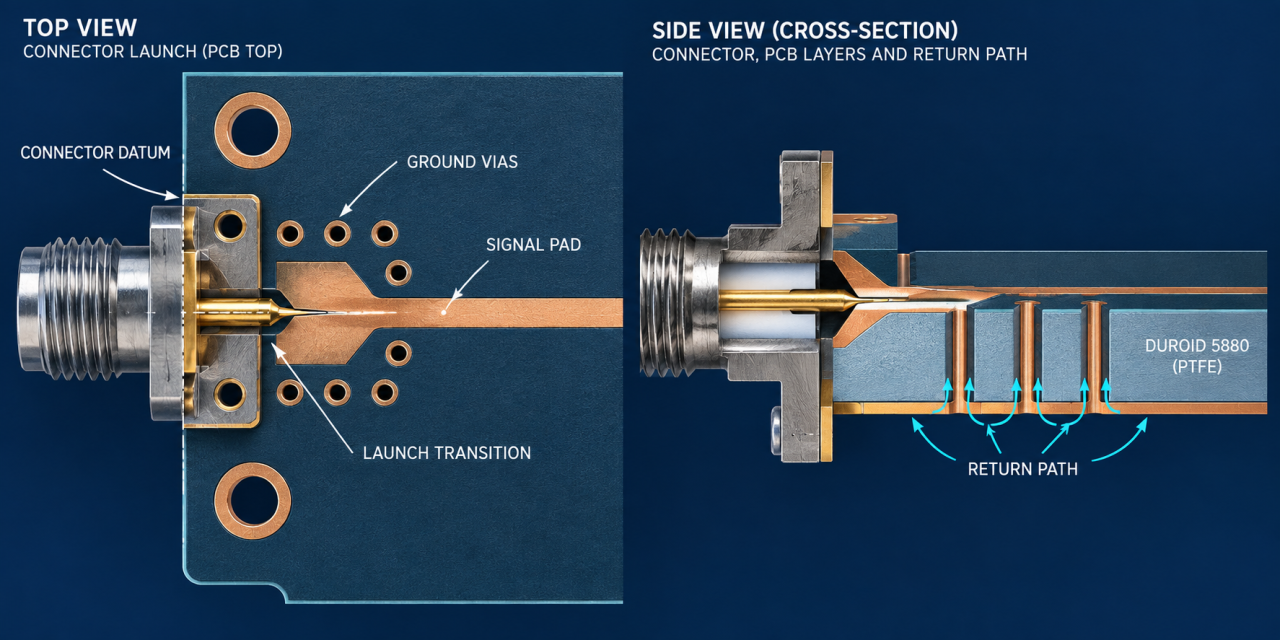
Contents Why the connector launch controls RF yield Layout and datum controls Assembly and inspection controls...
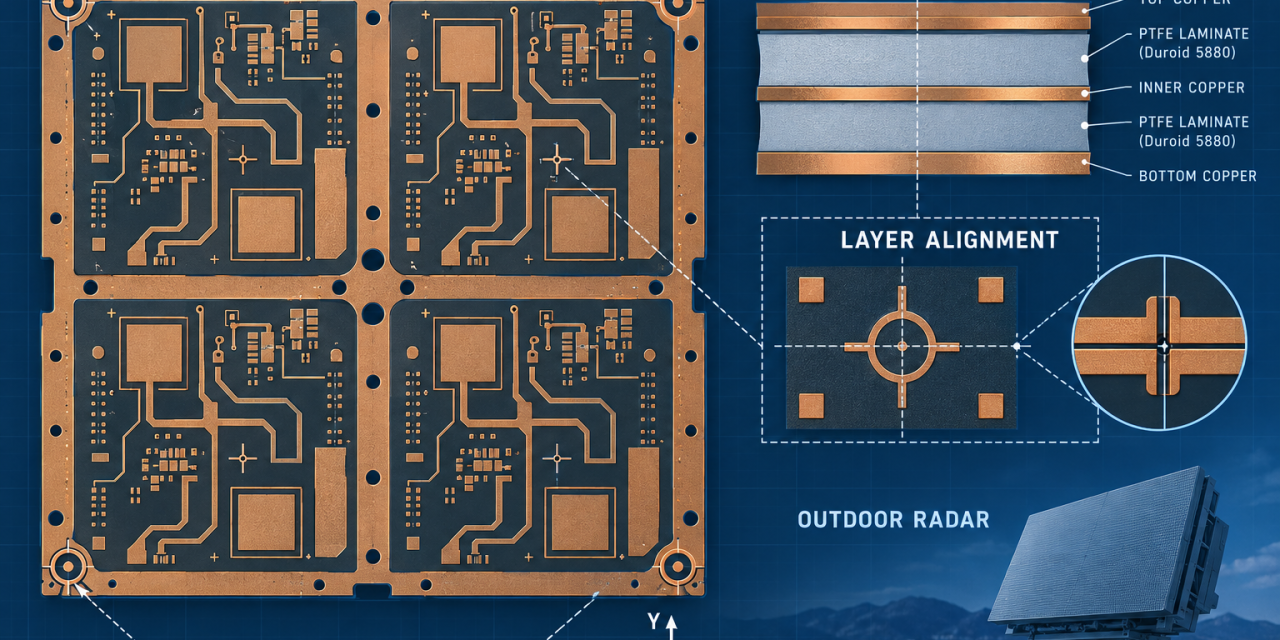
Contents Why dimensional stability becomes an RF problem Seven production controls Outdoor radar release check...
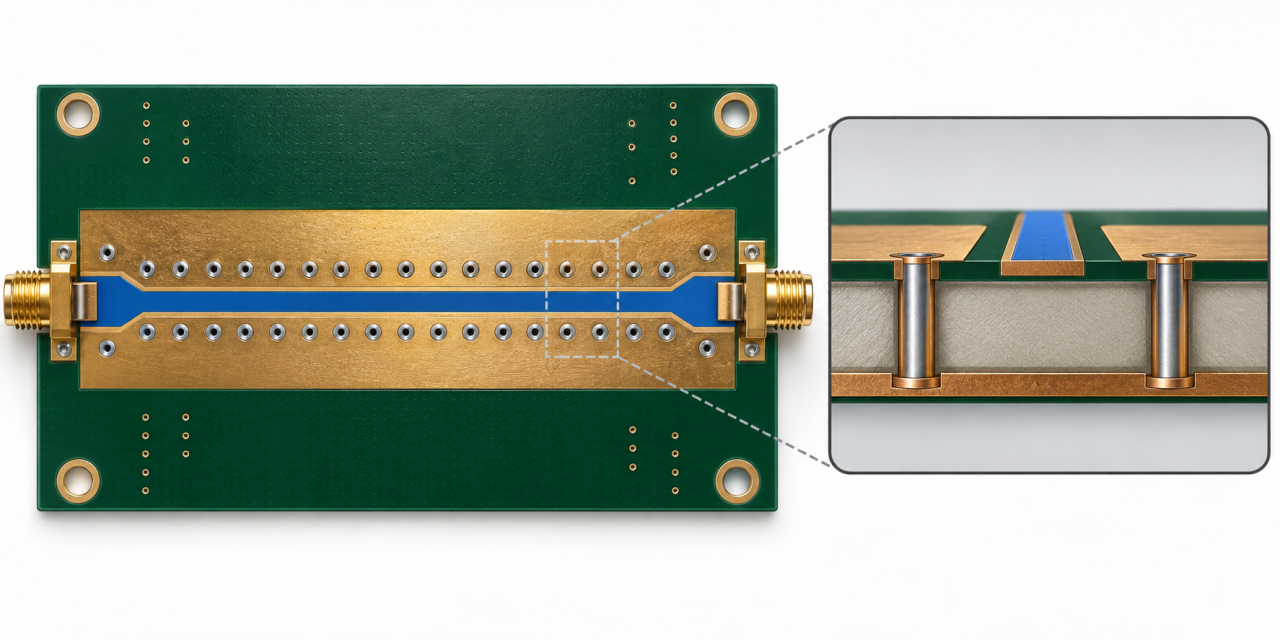
At microwave frequencies, a via fence is part of the RF circuit, not a decorative row of ground holes. A produ...
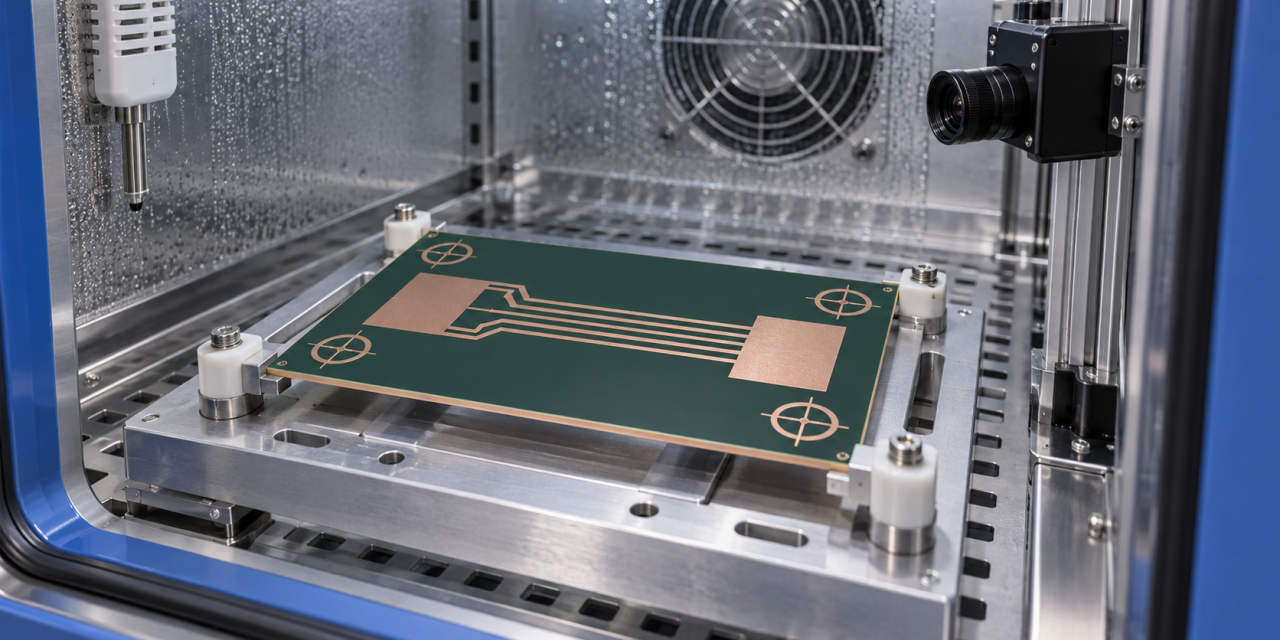
Outdoor radar and microwave equipment can see humidity, temperature swings, and repeated handling before a boa...
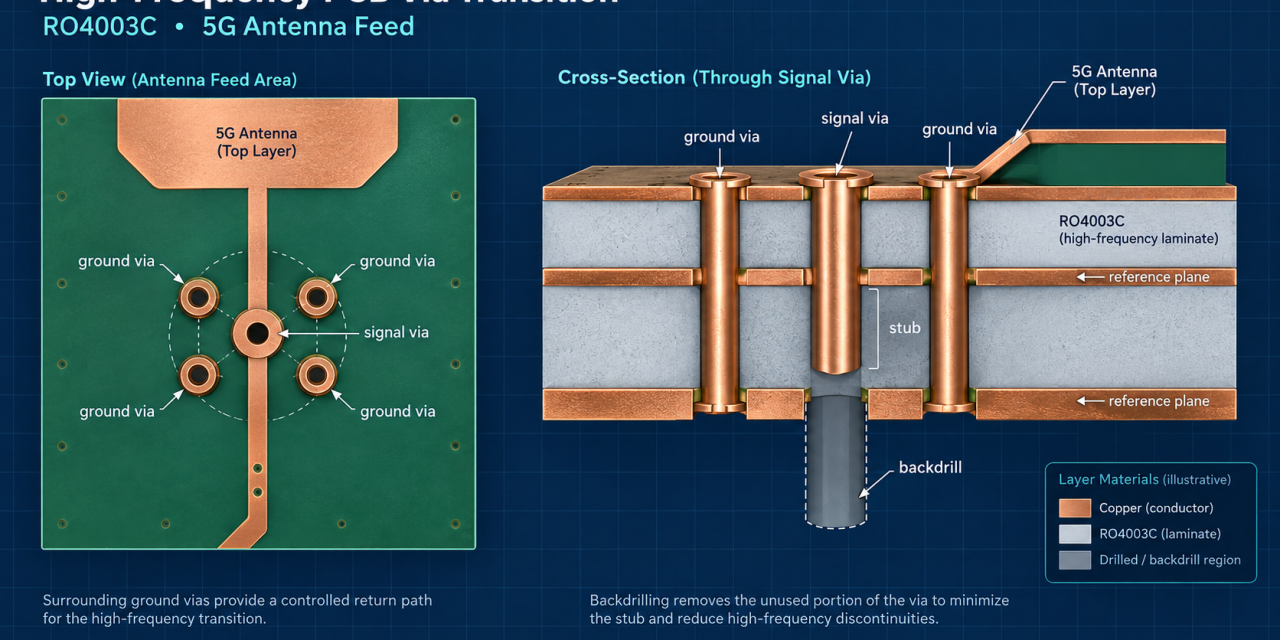
A 5G antenna feed can pass a nominal impedance check and still lose margin when a plated via, unused barrel, o...
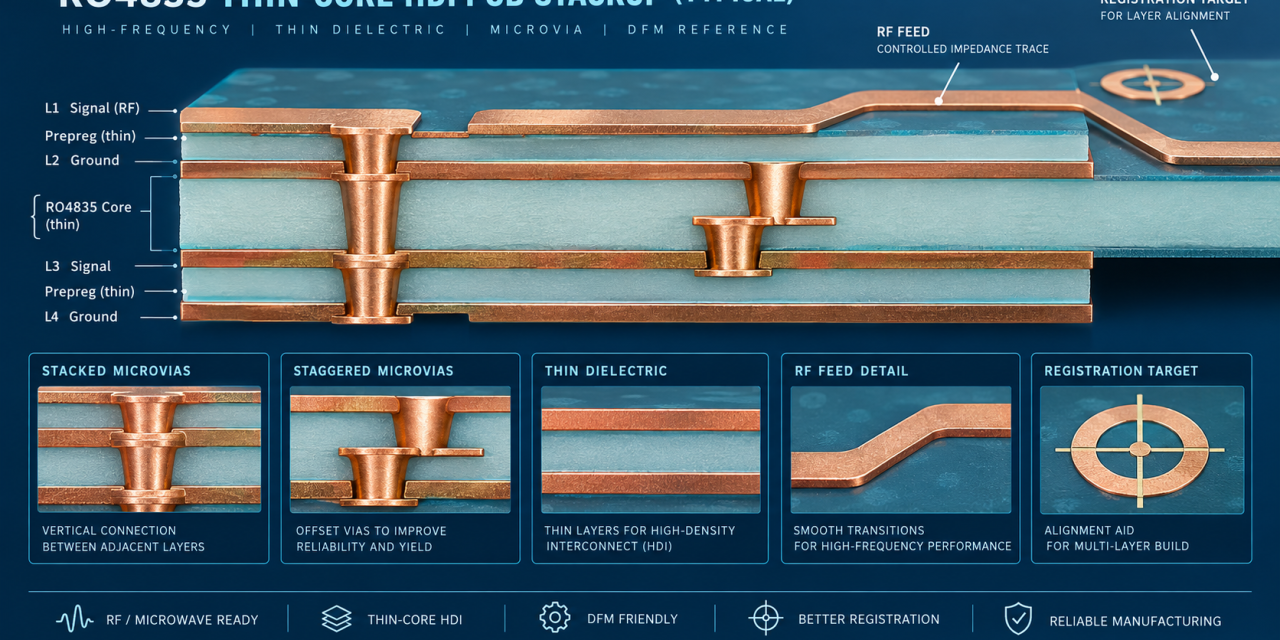
Thin radar modules often force an uncomfortable trade-off: the RF launch wants a stable reference plane while ...
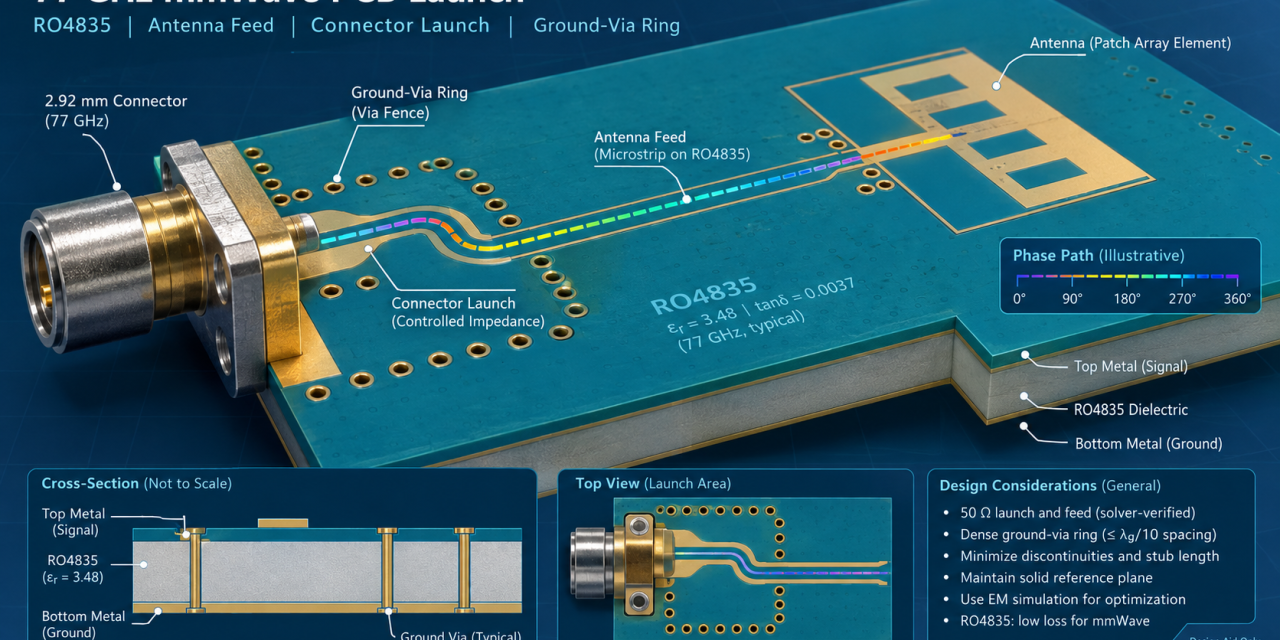
At 77 GHz, a promising RF launch can lose margin when the transition, return path, and enclosure reference are...
KKPCB is a leading electronic solutions provider specializing in PCB design, fabrication, assembly, and testing for Flex, Rigid-Flex, RF/Microwave, HDI, rigid multilayer, and ATE test boards. We offer comprehensive end-to-end services, including prototyping, component sourcing, SMT/THT assembly, functional testing, enclosure assembly, and final product packaging. With our one-stop, in-house capabilities, KKPCB delivers OEM and ODM solutions with fast turnaround, high quality, and cost-effective results, serving clients worldwide.

PCB Manufacturing
PCB Assembly
Technical Support