HomeCategory

Latest Electronics Industry News & PCB Insights - KKPCB

High-Speed PCB Design Guide 8: PCB Reliability Design

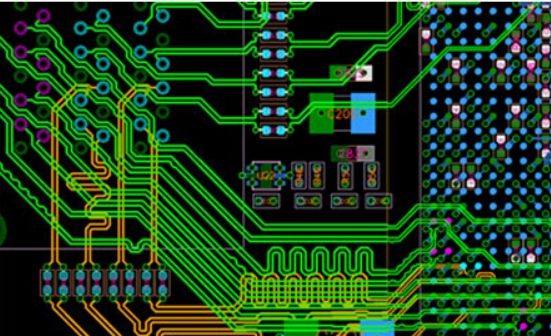
With the rapid development of electronic systems toward higher speed, higher integration, and greater functional complexity, PCB reliability has become a critical consideration in high-speed PCB design. In high-speed applications, PCB performance is influenced not only by signal integrity and impedance control but also by long-term reliability under different operating conditions. A high-speed PCB must...

High-Speed PCB Design Guide 5: Noise Reduction Technology for DSP Systems

Digital Signal Processors (DSPs) are widely used in applications that require high-speed data processing and real-time computation, including industrial automation, wireless communications, medical imaging, radar systems, machine vision, audio processing, and AI edge computing. As DSP clock frequencies and data rates continue to increase, maintaining signal integrity while minimizing system noise has become one of...

High-Speed PCB Design Guide 2: Avoiding Pitfalls in Mixed-Signal Systems

With the increasing integration of digital processing, wireless communication, sensing, and power management functions, modern electronic products often combine high-speed digital circuits with sensitive analog circuits on the same PCB. These mixed-signal systems are widely used in: Industrial control equipment Medical devices Automotive electronics Communication systems Data acquisition equipment IoT devices However, combining high-speed digital...

Detailed Explanation of PCB Manufacturing Process and Precautions

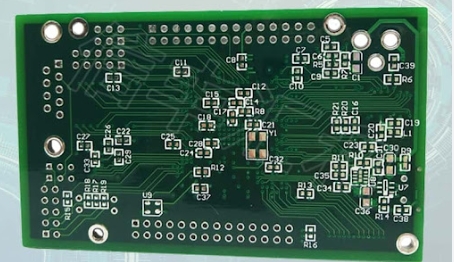
Printed Circuit Board (PCB) manufacturing is a complex process that transforms a circuit design into a physical electronic platform capable of supporting components and enabling reliable electrical connections. As the foundation of almost all electronic products, PCB quality directly influences: Electrical performance Product reliability Assembly efficiency Long-term operating stability From consumer electronics and industrial control...

Mobile Phone PCB Layout: Key Considerations and Wiring Best Practices

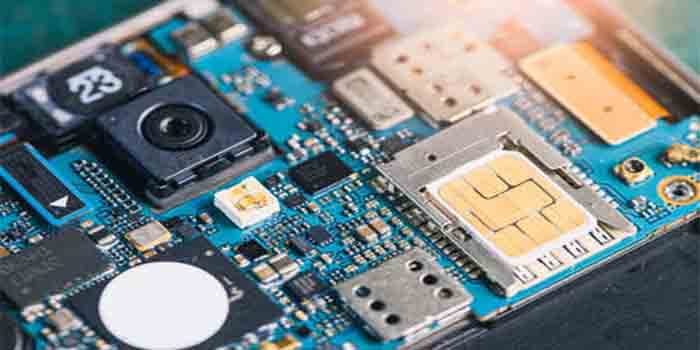
Engineering Context Modern smartphones integrate increasingly complex electronic functions into extremely compact form factors. A mobile phone PCB must support high-speed processors, 5G communication modules, RF front-end circuits, camera systems, power management units, sensors, wireless charging, and high-density memory devices while maintaining reliability and signal performance. Unlike traditional electronic boards, Mobile Phone PCB design requires...

PCB Plating Hole Filling Technology

As electronic products continue to evolve toward higher density, faster signal transmission, and greater reliability, traditional through-hole processing is no longer sufficient for many advanced PCB designs. Technologies such as HDI (High-Density Interconnect), BGA (Ball Grid Array), and fine-pitch surface-mount devices often require plated through holes with improved mechanical strength and completely sealed surfaces. PCB...

Application of waterproof material on pcb and FPC proofing

With the rapid development of electronic products toward miniaturization, lightweight design, and higher reliability, PCB and FPC technologies are increasingly applied in environments where exposure to moisture, humidity, water splash, chemicals, and dust cannot be avoided. Applications such as automotive electronics, wearable devices, medical equipment, industrial control systems, outdoor monitoring devices, and smart sensors require...

What is the Significance of Solder Paste Printing?

1. Introduction: Why Solder Paste Printing Is Critical in SMT Assembly In modern PCB assembly (PCBA) manufacturing, especially in Surface Mount Technology (SMT) processes, solder paste printing is one of the most critical initial steps. Although it may appear simple, solder paste printing directly determines the quality of: Component placement accuracy Solder joint strength Electrical...

The Importance of Reliable PCB Testing Standards for Electronic Circuit Performance

In the modern electronics landscape, where devices are becoming smaller, faster, and more complex, the margin for error in PCB manufacturing has shrunk to nearly zero. A single microscopic defect in a multilayer PCB can lead to system-wide failure, costly recalls, or even safety hazards. Ensuring peak electronic circuit performance is not just about high-quality design; it is about the rigorous...

Industrial PCB Production

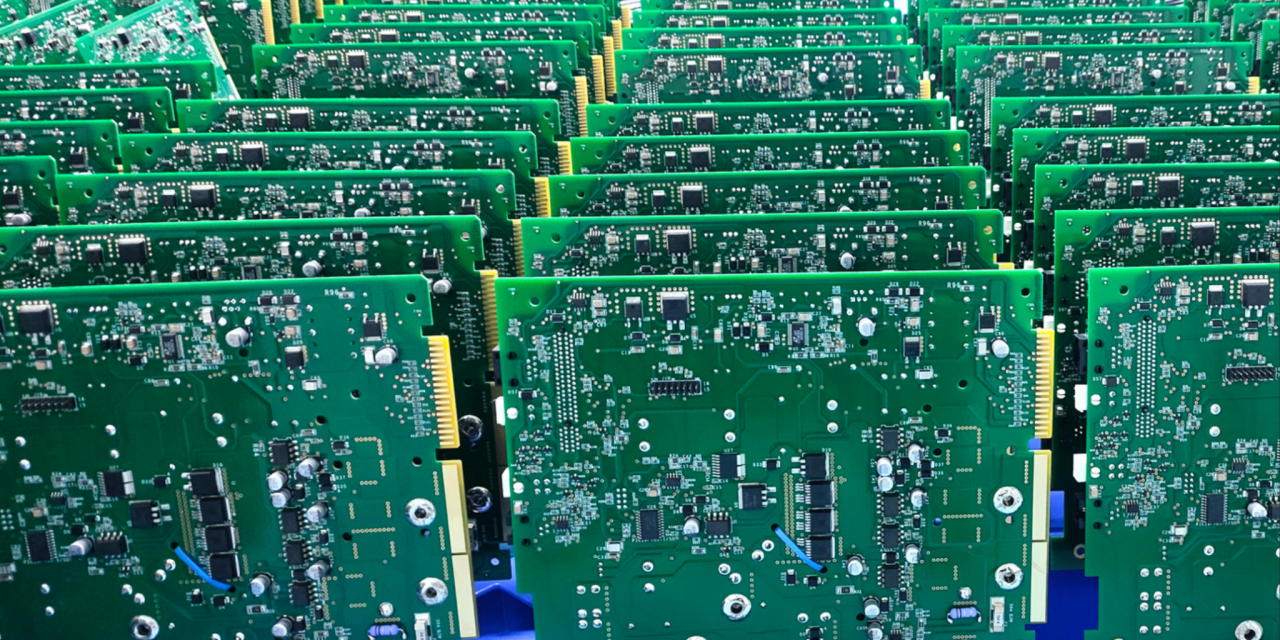
Industrial PCB Production In today’s rapidly evolving industrial landscape, Printed Circuit Boards (PCBs) serve as the critical backbone of automation systems, control equipment, heavy machinery, robotics, and smart manufacturing solutions. Industrial PCB production demands far higher standards than consumer electronics. Boards must deliver exceptional reliability, durability under extreme conditions (vibration, temperature fluctuations, humidity, and dust),...