Blog

Explore the KKPCB Blog for the latest PCB manufacturing and assembly news, industry insights, expert tips, and technology trends, helping you stay informed and optimize your electronics projects.
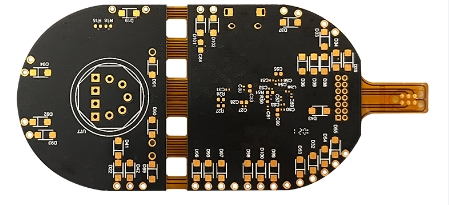
What is a Rigid-Flex PCB?

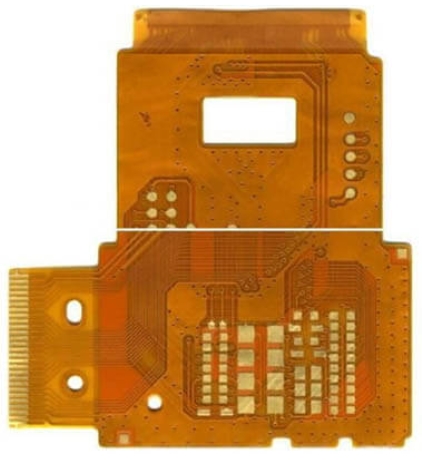
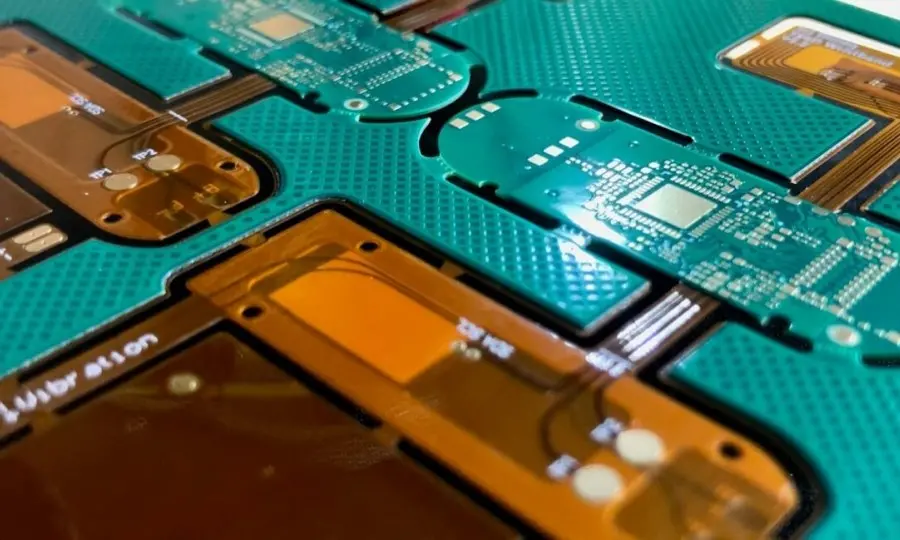
A Rigid-Flex PCB is a hybrid circuit board combining elements of both flexible circuit boards and rigid circuit boards, with an end result of a board that is able to be folded or continuously flexed and is normally formed into a flexed shape or curve during the manufacturing process. The flexible layers of a Rigid-Flex PCB are buried within the board and...
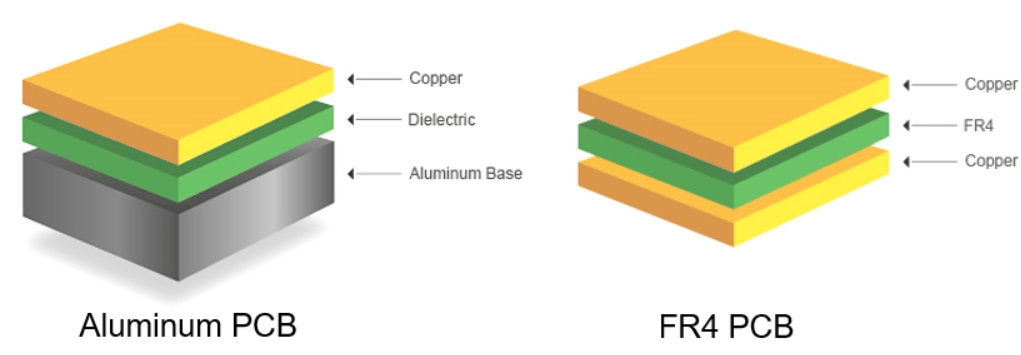
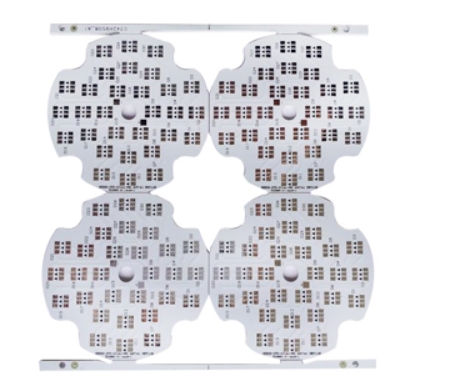
Aluminum PCB vs. Standard PCB: A Complete Guide to Finding the Right One for You!

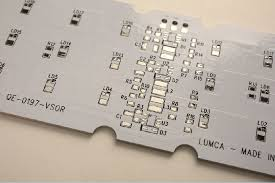
1. Introduction: Why PCB Material Selection Matters In modern PCB design and manufacturing, material selection plays a decisive role in product performance, especially in applications involving high power density, heat dissipation, and reliability requirements. Two of the most commonly compared options are: Aluminum PCB (Metal Core PCB, MCPCB) Standard FR4 PCB Each type has unique...

The Difference between Aluminum PCB and FR4 PCB

With the continuous development of electronic technology, the application of PCBs has become increasingly widespread. PCBs are integral components of electronic devices, playing crucial roles in various applications. Among them, Aluminum PCB and FR4 PCB (Glass Fiber Reinforced Epoxy Resin PCB) are two common types of PCBs with significant differences in terms of materials, performance, and applications....

Aluminum PCB vs. FR4 PCB: Cost, Materials, and Difference

Selecting the right PCB substrate material is one of the most important decisions in electronic product development. The PCB material directly affects: Thermal performance Electrical characteristics Mechanical strength Manufacturing cost Product reliability Among various PCB substrate options, aluminum PCBs and FR4 PCBs are two of the most widely used solutions. While both are common in...

Types and Applications of Special PCBs

With the rapid development of electronic products toward higher performance, miniaturization, higher reliability, and specialized operating environments, traditional FR-4 PCBs are no longer sufficient for all applications. Special PCBs are developed to meet specific requirements such as: High-frequency signal transmission High thermal conductivity Flexible installation Extreme environmental reliability High-density interconnection High-power operation Compared with conventional...

Special process for PCB processing of circuit boards

With the continuous development of electronic products toward miniaturization, higher performance, and increased reliability, traditional PCB manufacturing processes are often insufficient to meet the requirements of advanced applications. Modern electronic systems such as 5G communication equipment, automotive electronics, medical devices, aerospace systems, semiconductor test equipment, and industrial automation products require PCBs with improved electrical performance,...

What is the Flexible PCB Manufacturing Process?

Flexible printed circuit boards (FPCBs) are essential components in modern electronic devices, offering versatility, lightweight design, and the ability to adapt to a variety of shapes. The manufacturing process of flexible PCBs involves several key steps, each of which is critical to ensuring the quality and performance of the final product. This article outlines the main...

How Single-Sided and Double-Sided PCB Assemblies Are Made

Electronic devices cannot function without PCBs, making them indispensable in the technology sector. To choose the most suitable PCB, it is crucial to understand the differences between single-sided and double-sided PCB assemblies. This guide explores both types, their processes, and their applications to help you make an informed choice. What is a Single-Sided PCB? Single-sided PCBs have conductive...

How to Create Vias on High-Frequency PCBs

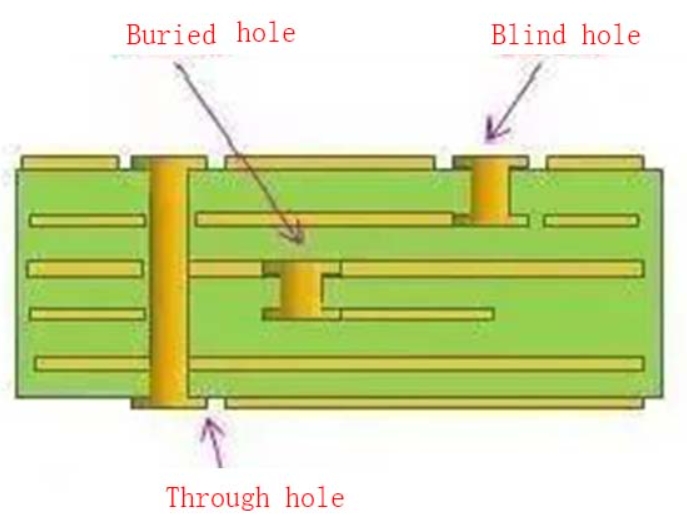
Vias are essential in multi-layer PCBs, enabling interconnections between different layers. However, their impact on signal integrity and manufacturing costs cannot be overlooked. Drilling costs often account for 30-40% of total PCB production expenses. This guide explains via types, their effects on high-frequency signals, and best practices to minimize negative impacts. What is a Via? A...