
HomeTag

moisture control - KKPCB

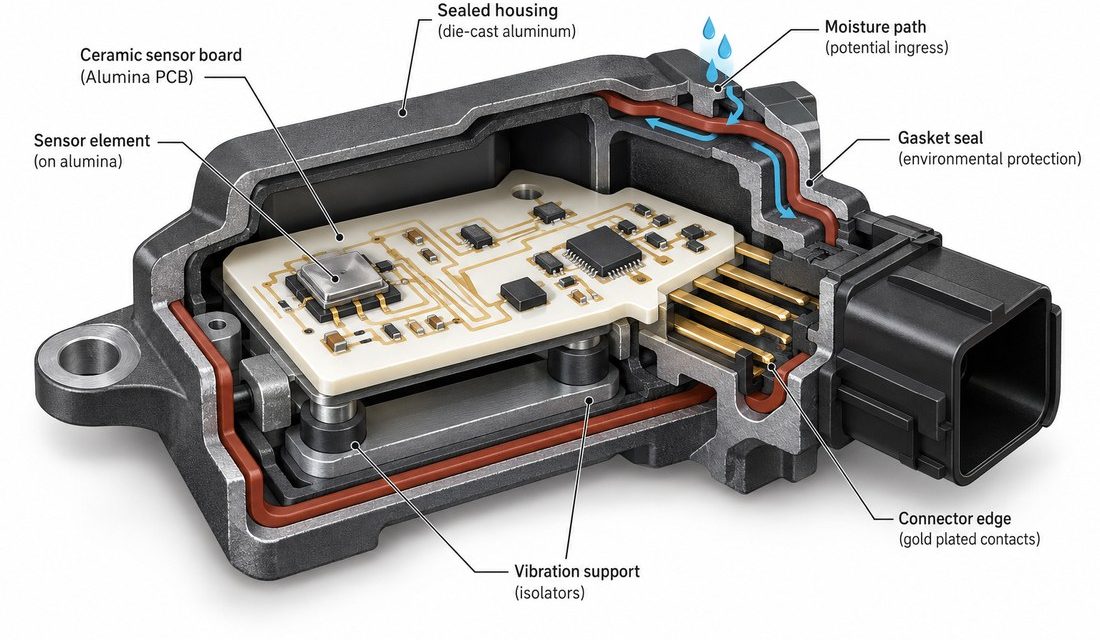
Alumina PCB for Automotive Sensors: Moisture, Vibration, and Connector Edge Decisions

Automotive sensor modules combine a ceramic substrate with a connector, housing, adhesive, shield, and sometimes a high-frequency antenna. The Alumina PCB is stable, but the assembled module still sees vibration, thermal cycling, condensation, and connector loads. The project pain is often a fracture or intermittent contact at an edge feature that was reviewed only as...
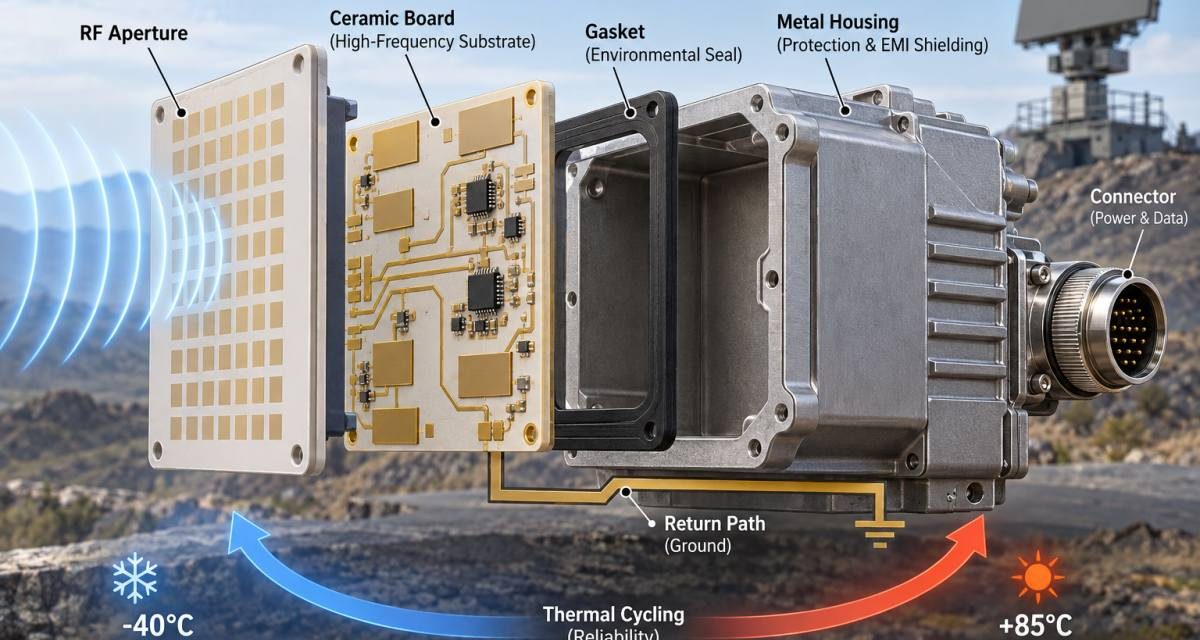
Ceramic PCB CTE and Moisture Decisions for Outdoor Radar and Sensor Modules

Outdoor radar and sensor hardware sees temperature swings, condensation risk, vibration, and repeated enclosure loads. A Ceramic PCB can reduce some dimensional and moisture-related uncertainty, but it does not remove the need to coordinate the ceramic, copper, seal, connector, and metal housing. The project pain appears when a material is chosen for a nominal dielectric...

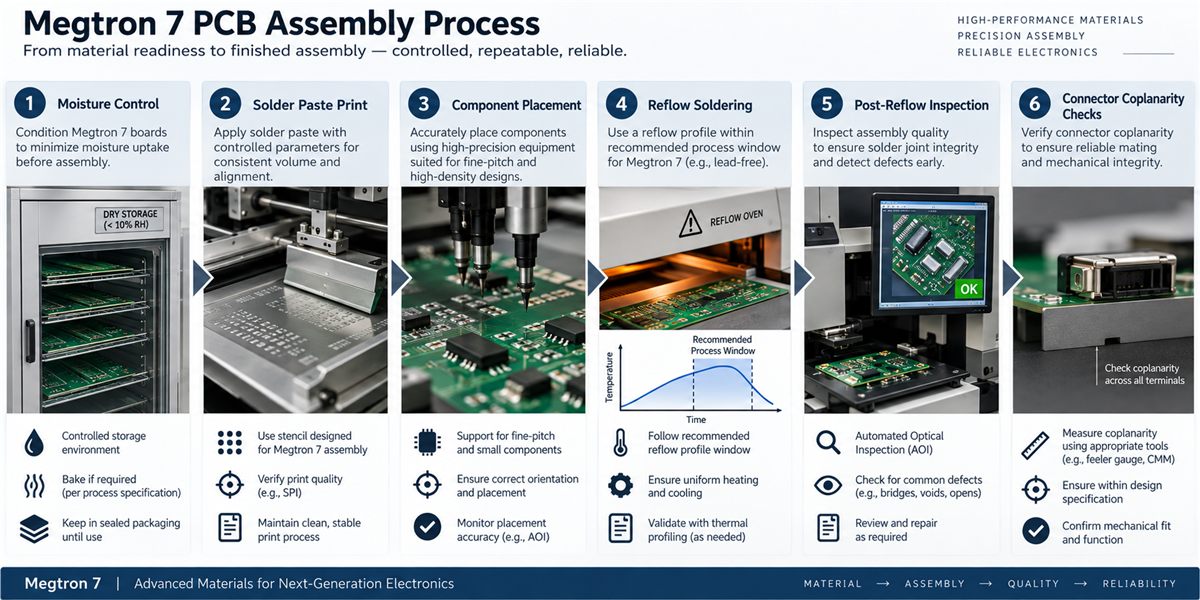
Megtron 7 PCB Assembly: Moisture, Reflow, and Coplanarity Controls for High-Speed Modules

A high-speed board can pass fabrication inspection and still lose performance during assembly. Moisture exposure, an unsuitable reflow window, connector coplanarity, or residue under a shield can change the mechanical position of a launch and weaken a controlled return path. A production-ready Megtron 7 PCB connects material handling to RF and signal-integrity requirements. Table of...