
With the rapid development of power electronics, electric vehicles, renewable energy systems, industrial automation, and high-power semiconductor devices, electronic systems are facing increasingly demanding requirements for:
- Higher power density
- Better thermal management
- Improved electrical insulation
- Long-term reliability
Traditional PCB materials such as FR-4 are often limited in applications requiring high voltage, high current, and extreme thermal performance.
In these applications, metallized ceramic substrates have become an important solution.
Among advanced ceramic substrate technologies, curamik® metallized ceramic substrates are widely recognized for their excellent combination of:
- Thermal conductivity
- Electrical insulation
- Mechanical stability
- High-power reliability
These characteristics make them suitable for demanding applications such as:
- Power modules
- Electric vehicle electronics
- Industrial converters
- Semiconductor packaging
1. What Are Metallized Ceramic Substrates?
A metallized ceramic substrate is an electronic substrate that combines:
- Ceramic insulating material
- Metal conductor layers
The ceramic layer provides:
- Electrical insulation
- Thermal conduction
- Mechanical stability
The metal layer provides:
- Electrical connection
- Circuit pattern formation
- Heat spreading capability
Compared with conventional PCB structures, ceramic substrates provide superior thermal and electrical performance for high-power applications.
2. Overview of curamik® Metallized Ceramic Substrates
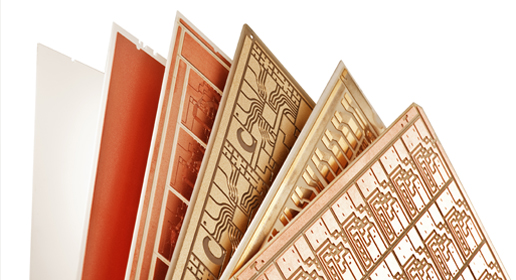
curamik® is a ceramic substrate technology designed for high-performance electronic applications, especially in power semiconductor systems.
The technology focuses on creating reliable bonding between:
- Copper conductors
- Ceramic insulation layers
Common ceramic materials include:
- Aluminum oxide (Al₂O₃)
- Aluminum nitride (AlN)
- Silicon nitride (Si₃N₄)
Each material provides different performance characteristics depending on application requirements.
3. Key Advantages of curamik® Ceramic Substrates
3.1 Excellent Thermal Management
Thermal performance is one of the most important advantages of ceramic substrates.
Power semiconductor devices generate significant heat during operation.
curamik® ceramic substrates provide:
- Efficient heat transfer
- Reduced thermal resistance
- Improved temperature control
This helps prevent:
- Component overheating
- Performance degradation
- Premature failure
3.2 High Electrical Insulation Performance
Ceramic materials provide excellent electrical insulation while maintaining thermal conductivity.
Advantages include:
- High dielectric strength
- Reliable insulation under high voltage
- Reduced electrical failure risk
This makes ceramic substrates suitable for:
- High-voltage power modules
- Motor drive systems
- Energy conversion equipment
3.3 Excellent Mechanical Stability
Power electronics often experience:
- Thermal cycling
- Mechanical stress
- Temperature fluctuations
Ceramic substrates provide:
- Low thermal expansion
- High dimensional stability
- Long-term reliability
This improves the lifetime of electronic assemblies.
3.4 High Current Carrying Capability
Compared with standard PCB copper traces, ceramic substrates can support higher current densities.
Advantages include:
- Thick copper layers
- Strong conductor bonding
- Better heat dissipation
They are suitable for:
- Power semiconductor modules
- High-current switching circuits
3.5 Compact and High-Power Design Capability
The excellent thermal properties of ceramic substrates allow engineers to achieve:
- Higher power density
- Smaller module size
- Improved system integration
This supports trends toward:
- Miniaturization
- Lightweight design
- Higher efficiency
4. Main Types of curamik® Ceramic Substrates
4.1 DBC (Direct Bonded Copper) Ceramic Substrates
DBC technology directly bonds copper layers to ceramic materials.
Advantages:
- Strong copper-ceramic bonding
- Excellent thermal performance
- Suitable for high-power applications
Common materials:
- Al₂O₃
- AlN
Applications:
- IGBT modules
- Power converters
- Motor drives
4.2 AMB (Active Metal Brazing) Ceramic Substrates
AMB technology uses active metal layers to improve bonding performance.
Advantages:
- Stronger mechanical reliability
- Suitable for advanced semiconductor devices
Common applications:
- SiC power modules
- High-temperature applications
4.3 Silicon Nitride (Si₃N₄) Ceramic Substrates
Silicon nitride provides excellent mechanical strength.
Advantages:
- High fracture toughness
- Superior thermal cycling reliability
- Good thermal conductivity
Applications:
- Automotive power electronics
- Heavy-duty industrial systems
5. Manufacturing Process of Metallized Ceramic Substrates
5.1 Ceramic Material Preparation
The ceramic material is prepared according to required specifications.
Important parameters include:
- Thickness
- Thermal conductivity
- Mechanical strength
5.2 Copper Bonding Process
The copper layer is bonded to the ceramic surface through technologies such as:
- DBC
- AMB
Process control is critical for:
- Bonding strength
- Thermal performance
- Reliability
5.3 Circuit Pattern Formation
The copper layer is processed into required circuit structures through:
- Photolithography
- Etching
- Precision machining
This defines:
- Electrical pathways
- Component connection areas
5.4 Surface Treatment and Inspection
Final processes include:
- Surface finishing
- Dimensional inspection
- Electrical testing
Quality control ensures:
- Stable performance
- Manufacturing consistency
6. Comparison Between Ceramic Substrates and Traditional PCBs
| Feature | Ceramic Substrate | FR-4 PCB |
|---|---|---|
| Thermal Conductivity | Excellent | Moderate |
| Electrical Insulation | Excellent | Good |
| High Temperature Performance | Excellent | Limited |
| Current Capability | High | Medium |
| Mechanical Stability | High | Medium |
| Manufacturing Cost | Higher | Lower |
| Main Application | Power Electronics | General Electronics |
7. Applications of curamik® Metallized Ceramic Substrates
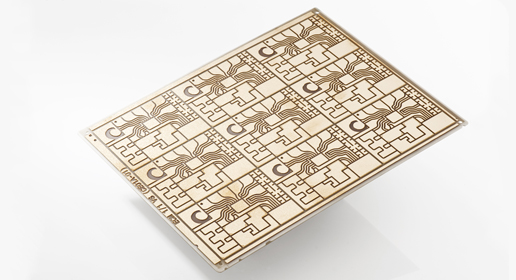
7.1 Electric Vehicle Power Electronics
Applications include:
- EV inverter modules
- Battery power systems
- Motor control systems
Requirements:
- High thermal reliability
- High current capability
- Long service life
7.2 Industrial Power Systems
Examples:
- Power converters
- Frequency drives
- Industrial controllers
Advantages:
- Stable operation
- High efficiency
- Improved heat management
7.3 Renewable Energy Systems
Applications:
- Solar inverters
- Wind power converters
- Energy storage systems
Requirements:
- High reliability
- Continuous operation capability
7.4 Semiconductor Power Modules
Used for:
- IGBT modules
- SiC MOSFET modules
- Power semiconductor packaging
Advantages:
- Efficient heat dissipation
- High voltage insulation
- Improved device lifetime
8. Design Considerations for Ceramic Substrates
8.1 Thermal Expansion Matching
Different materials expand differently under temperature changes.
Engineers must consider:
- Ceramic CTE
- Copper CTE
- Semiconductor CTE
Proper matching reduces:
- Mechanical stress
- Cracking risks
8.2 Copper Thickness Selection
Copper thickness affects:
- Current capacity
- Thermal performance
- Mechanical stress
Selection depends on:
- Power level
- Application environment
8.3 Reliability Testing
Typical evaluations include:
- Thermal cycling
- Power cycling
- Insulation testing
- Mechanical stress testing
9. Future Trends of Ceramic Substrate Technology
With the growth of:
- Electric vehicles
- Renewable energy
- SiC and GaN semiconductors
- High-power computing
ceramic substrate technology is moving toward:
- Higher thermal performance
- Higher power density
- Better reliability
- Smaller module size
Advanced ceramic substrates will continue playing an important role in next-generation power electronics.
Conclusion
curamik® metallized ceramic substrates provide an advanced solution for electronic systems requiring high thermal performance, electrical insulation, and long-term reliability.
Compared with traditional PCB materials, ceramic substrates offer significant advantages in:
- Heat dissipation
- High-voltage insulation
- Mechanical stability
- Power density
Through technologies such as DBC and AMB, ceramic substrates enable reliable solutions for electric vehicles, industrial power systems, renewable energy equipment, and advanced semiconductor modules.
As electronic systems continue moving toward higher power and greater efficiency, metallized ceramic substrates will remain a key technology for future high-performance electronics.
