HomeCategory

PCB Manufacturing Services | High-Quality PCB & PCBA - KKPCB

Best Formats for 4-Layer PCB Stackups

Best Formats for 4-Layer PCB Stackups A well-chosen 4-layer PCB stackup is essential for achieving excellent signal integrity, controlled impedance, effective power distribution, low EMI, and reliable manufacturing — especially in high-speed digital, mixed-signal, RF, automotive, and industrial designs. Compared to 2-layer boards, a properly configured 4-layer stackup provides dedicated reference planes, shorter return paths,...

Materials for High Temperature PCBs

High temperature PCB design is a critical aspect of modern electronics, especially in applications involving high power, harsh environments, or continuous operation. PCBs operating at high power often generate significant heat and may experience repeated thermal cycling, making material selection essential for long-term reliability and performance. While active cooling methods such as fans or heat...

Ceramic Substrate

With the continuous development of power electronics, RF communication, semiconductor devices, and high-reliability electronic systems, traditional PCB materials are facing increasing challenges in applications requiring high thermal conductivity, electrical insulation, and extreme environmental stability. Ceramic substrates have become an important material solution for advanced electronic applications due to their excellent thermal performance, mechanical stability, and...

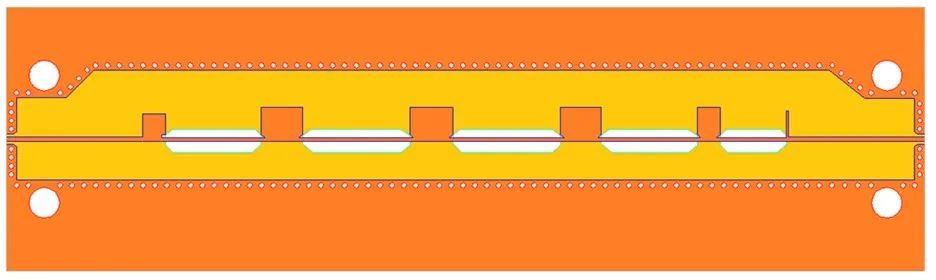
Rogers RO4835 77GHz Millimeter Wave Radar PCB: A Key Component for Automotive Radar Systems

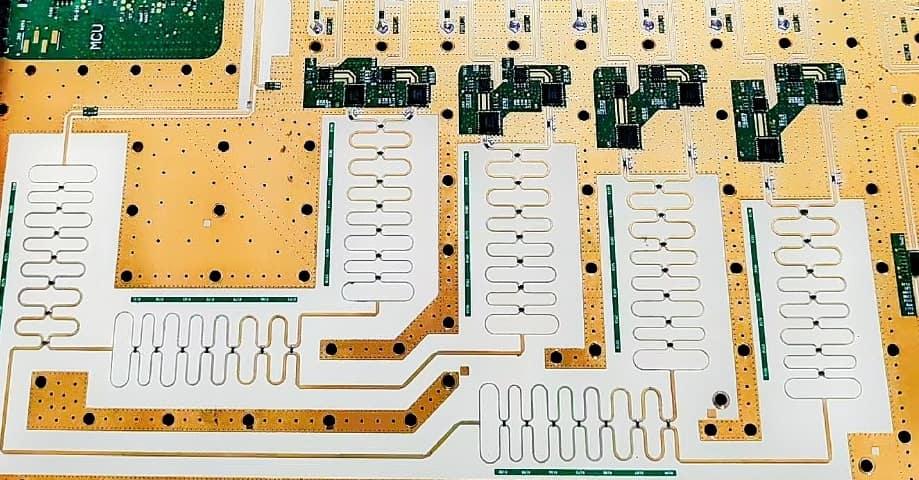
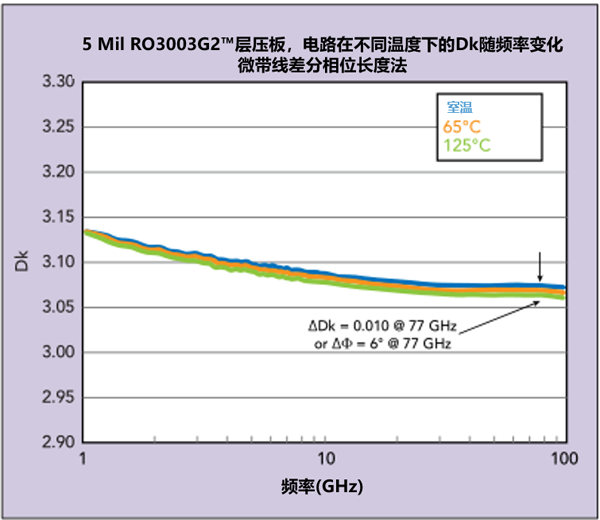
Explore KKPCB’s 77GHz Millimeter Wave Radar PCB made with Rogers RO4835 + FR4 hybrid material. Engineered for automotive radar, ADAS, and 5G applications, this high-frequency PCB offers ultra-low loss, stable dielectric performance, and superior reliability. Ideal for 77GHz radar antennas, collision avoidance systems, and vehicle sensor modules requiring precision signal integrity and long-term stability.

PCB Edge Plating: Enhancing Connectivity and Durability

PCB edge plating is a specialized process that involves applying a metal coating to the exposed copper connections at the edge of a printed circuit board (PCB). This technique, also known as side plating, battlement, or metallized edge plating, enhances electrical connectivity, structural rigidity, and electromagnetic interference (EMI) shielding. This article provides an in-depth look at the...

Routing Traces in PCBs: Best Practices

PCB routing involves laying out traces to minimize interference, ensure signal integrity, and meet design requirements such as impedance control and thermal management. Traces carry electrical signals between components such as integrated circuits, resistors, and capacitors. PCB traces are usually made of copper. They are created by applying a layer of photosensitive material onto a copper-clad board, exposing...

Flexible PCBs: Ductility in Circuitry

It wasn’t long ago that rigid circuit boards were the only possible electronic system method available. Whether it was entertainment or industrious, the shape of most devices was an extension of an intractable rigid board. More recently, the tide has turned: as technology has developed and matured, the enclosure is shaping the electronics inside them. Despite additional...

PCB Resistors and Board Design

In modern electronics, PCB resistors play a vital role in ensuring circuit stability, signal control, and power regulation. Whether in rigid circuit boards, multilayer PCBs, or advanced PCBA designs, proper resistor selection and placement are crucial for achieving optimal performance. Understanding how resistors in PCB design interact with layout and signal behavior is key to...

Should You Use Plated or Unplated PCB Mounting Holes?

Mounting holes are an essential but often overlooked part of PCB design. While most engineers focus on electrical performance, component placement, and signal integrity, the mechanical connection between a PCB and its enclosure, chassis, or other assemblies can significantly affect product reliability. One of the key decisions during PCB design is whether to use plated...