HomeCategory

PCB Assembly (PCBA) Services | Turnkey Solutions - KKPCB

SMT vs Thru-Hole Manufacturing

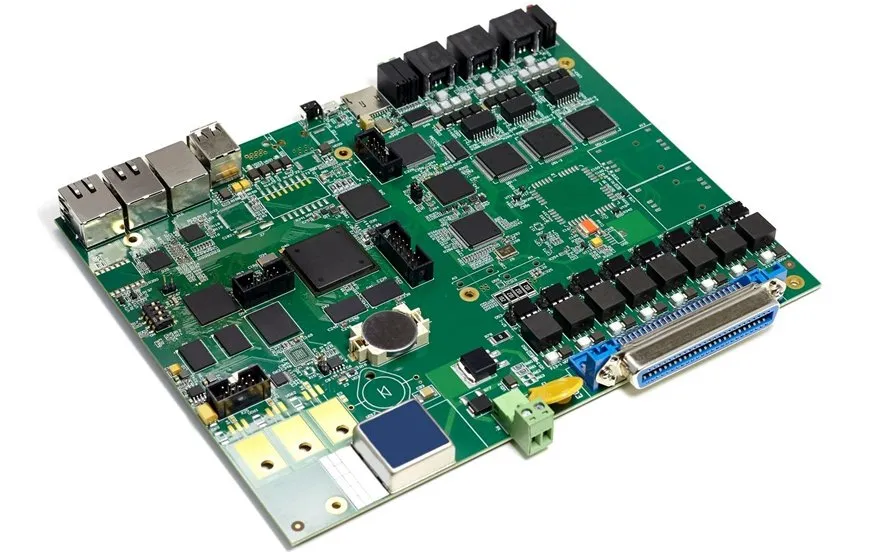
At the heart of nearly every electronic product today is a printed circuit board (PCB), which supports and electrically connects the electronic components needed for an electronic device to function. Manufacturing a printed circuit board is a complex process that involves many steps that are different for every project. First, you need to design the board...

High-Frequency PCB Assembly Case Study: High-Precision Communication Equipment

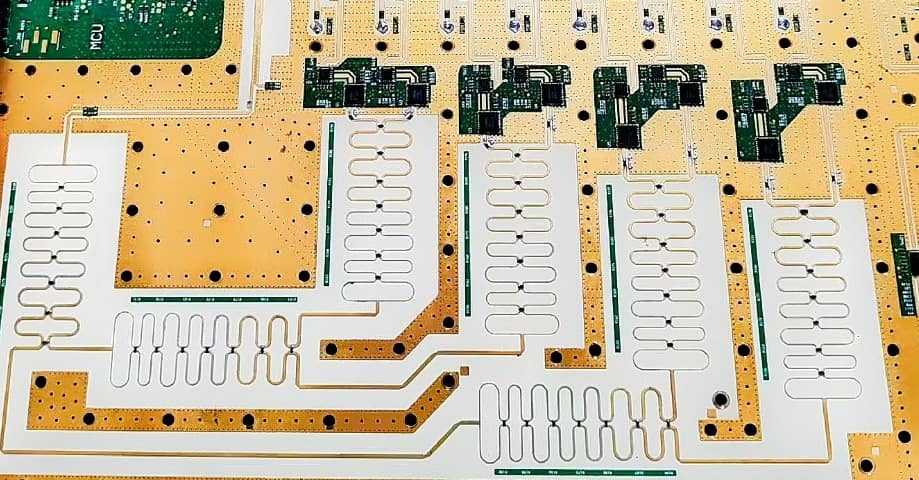
Customer Background: Our customer is a leading communication equipment company specializing in the development and manufacturing of high-frequency devices for 5G communication systems. Due to the high-frequency signal transmission requirements of their products, their PCB design demands extremely high signal integrity and strong anti-interference capabilities. Product Complexity: The primary challenge of this project was ensuring that the high-frequency...

Through-Hole Pad Design: Enhancing PCB Durability and Reliability

In printed circuit board (PCB) design, the choice of pad type plays a critical role in determining the durability, reliability, and performance of the final product. Through-hole pads, which are designed for components with leads that pass through the PCB, offer superior mechanical and electrical connections compared to surface mount pads. This article explores the design steps for...

Through-Hole Pad Design for PCB Durability

In printed circuit board (PCB) design, copper pads are points for attaching components with soldering. These pads come in two primary types: through-hole and surface-mount (SMD). Through-hole pads are designed for components with leads that are inserted through the pad’s holes and soldered on the opposite side of the board. This method ensures a mechanical and electrical bond between...

KKPCB Case Study: High-Performance Communication Backplane PCB Solution

1. Customer Background The customer is a globally leading manufacturer of communication equipment, specializing in the development and production of large-scale routers, switches, servers, and high-speed networking devices. As modern network communications demand increasingly high signal integrity, reliability, and thermal stability, the customer required an 36-layer PCB with low-loss material (S1000-2M) and advanced immersion gold plating to ensure stable signal transmission...

Distributed Rooftop Solar System in a U.S. Manufacturing Plant – High-Efficiency MPPT Solar Controller PCBA Case Study

Project Background A manufacturing plant in California sought to reduce electricity costs through a distributed rooftop solar system while enhancing its green and sustainable corporate image. With ample rooftop space available, the company required a highly efficient MPPT solar controller capable of maximizing solar energy utilization and ensuring stable operation. The Role of PCBA Technology...

KKPCB Industrial Automation Sewage Treatment System PCBA Solution

KKPCB provides precision PCBA manufacturing and assembly solutions for extreme environments in sewage treatment plants across Europe, America, and the Middle East. Our PCBA solutions ensure high reliability, dust and corrosion resistance, long-term stability, and intelligent control for PLC-based automation systems. Optimized for high temperature, high humidity, and corrosive conditions, our boards support multi-layer HDI designs and advanced Ethernet communication.

How to Create a Variable Power Supply PCB Layout

A variable power supply PCB is one of the most essential designs in electronic engineering, lab equipment, industrial systems, and embedded development platforms. It allows adjustable output voltage and current, making it suitable for testing, prototyping, and powering sensitive circuits. Designing a reliable variable power supply PCB layout requires careful consideration of power integrity, thermal...

Multilayer PCB Manufacturing Process: A Complete Step-by-Step Guide

With the increasing demand for higher circuit density, faster signal transmission, and more complex electronic functions, multilayer printed circuit boards (PCBs) have become a fundamental technology in modern electronic products. Unlike single-layer or double-sided PCBs, multilayer PCBs integrate multiple copper layers and insulating dielectric materials into one compact structure, allowing engineers to achieve complex routing,...