Blog

Explore the KKPCB Blog for the latest PCB manufacturing and assembly news, industry insights, expert tips, and technology trends, helping you stay informed and optimize your electronics projects.
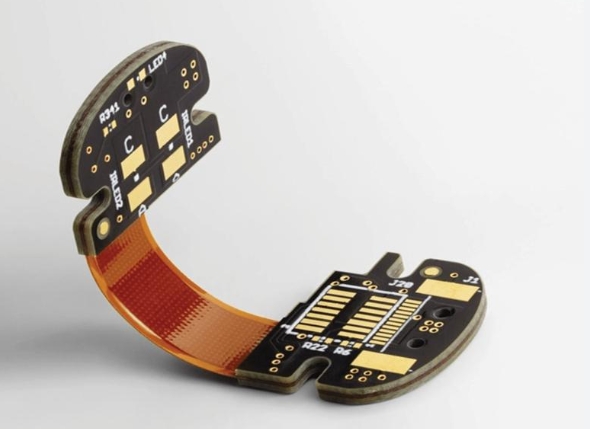
Can flexible boards be made into 4 layer PCB?

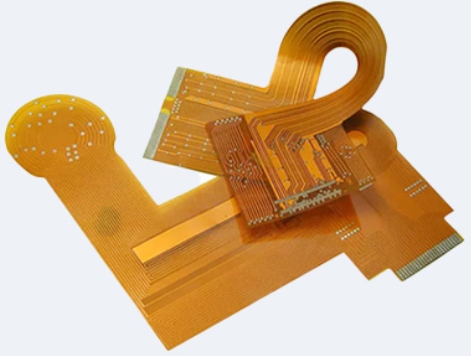
Flexible Printed Circuit Boards (PCBs) play a crucial role in modern electronic devices, catering to diverse application requirements with varied specifications. From double-layer computer flexible PCB boards to those designed for consumer electronics and single-layer medical applications, each possesses unique designs and applications.But if you have higher requirements, you wonder if they can be made into 4-layer boards? Can...
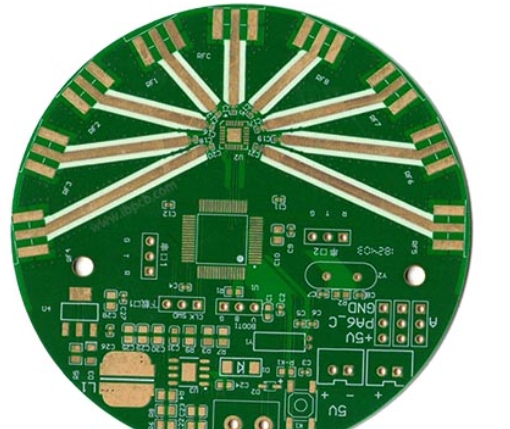
Key Features and Types of Radar PCBs

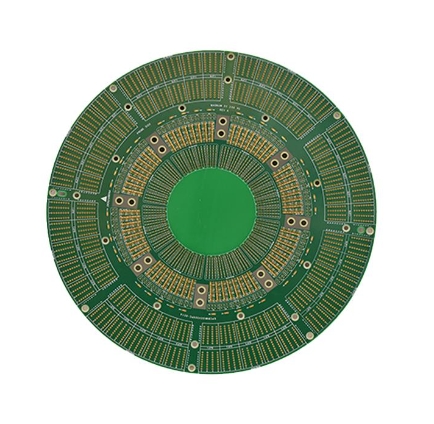
Printed Circuit Board (PCB) is also known as Printed Wiring Board (PWB). It is used as the basis of circuit design in electronics and electrical engineering. It acts as a foundation, eliminating the need for redundant wiring and making any circuit cleaner. Removing excess wires makes the circuit more manageable and reduces weight. It is engraved...

How to target the heat of high-temperature PCBs?

Have you ever wondered what a PCB is? A printed circuit board (PCB) is an electronic component used to connect various electrical devices. Copper conductors make electrical connections between components on a printed circuit board (PCB) (electronic assembly). The printed circuit board provides mechanical support for the electronic components, leaving space for the device in the housing....

What is the difference between Fr4 Rigid and Rigid-Flex?

Engineering Context FR4 rigid PCB and rigid-flex PCB are two widely used PCB technologies, but they are designed for substantially different mechanical and electrical requirements. A conventional FR4 Rigid PCB provides a stable, mechanically robust platform for components, connectors, power circuits, and multilayer signal routing. A Rigid-Flex PCB, in contrast, combines rigid PCB sections with...

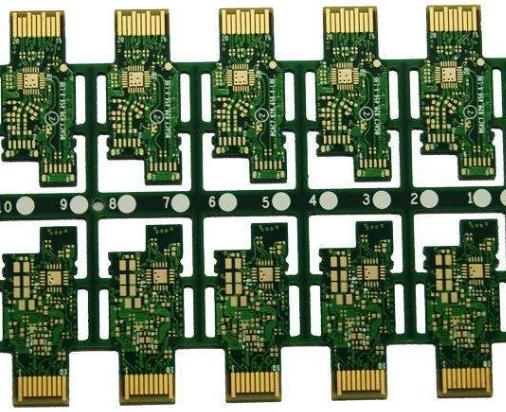
Effective Strategies for PCB Panelization

Handling small circuit boards during automated assembly can lead to defects and inefficiencies. To overcome this challenge, PCB panelization—the process of creating PCB panels from smaller boards—plays a vital role. This technique not only ensures improved handling during assembly but also reduces costs and minimizes defects. Here’s a comprehensive guide to panelizing PCBs, including methods, techniques,...

8 Best Tips and Key Considerations for Designing High-Voltage PCBs

Designing a high-voltage PCBs requires careful planning, adherence to specific guidelines, and a keen eye for safety. Whether you’re working on industrial equipment, power electronics, or consumer devices, the following tips and considerations will ensure you create efficient and safe high-voltage PCB designs. 1. Routing Guidelines for High-Voltage PCBs Proper routing is crucial for high-voltage PCB...

Optimizing Thermostat PCB Design: Ensuring Efficient and Reliable Temperature Control Performance

In modern HVAC systems, smart homes, industrial automation, and building management, thermostats play a critical role in precise temperature regulation, energy efficiency, and user comfort. At the heart of every advanced thermostat lies a well-optimized PCB (Printed Circuit Board) that integrates sensors, microcontrollers, power management, wireless connectivity, and user interface elements. Poor PCB design can...

How Multilayer PCB Assembly is Made, Advantages and Applications

Printed Circuit Boards (PCBs) are valuable electronic components that help improve the efficiency and performance of machines. Therefore, regardless of size, number of production units and purpose, vigilance must be maintained in their manufacturing process. However, what needs to be considered is the use of different types of PCBs. Multilayer PCBs account for more than 50% of the...

PCB Assembly for Industrial Controls and How to Make Industrial PCBs?

Industrial PCB Assembly as the Backbone of Automation Systems In modern industrial control systems, PCB assembly (PCBA) is the core foundation that ensures reliable operation of automation equipment, PLC systems, motor drives, robotics controllers, and industrial IoT devices. Compared with consumer electronics, industrial PCBs must withstand harsh environments, including high temperature, electrical noise (EMI), vibration,...

What is an IC PCB? Learn About IC Boards and Their Applications

Integrated Circuits (ICs) are small, compact electronic components that combine multiple elements—such as transistors, capacitors, and resistors—onto a single microchip. These ICs are essential for processing data and controlling signals in countless devices, powering everything from smartphones to industrial machinery. IC PCBs (Printed Circuit Boards) enable the integration of ICs into electronic devices, making them smaller, faster,...