kkpcba-Cindy - KKPCB - Page 6 of 73
 
HomeAuthor

kkpcba-Cindy - KKPCB - Page 6 of 73

SMT Assembly vs Through-Hole Assembly: Advantages and Disadvantages

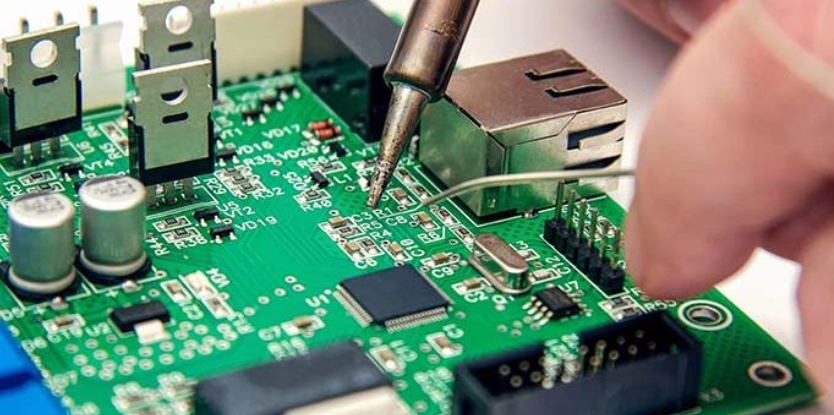
When it comes to assembling Printed Circuit Boards (PCBs), there are two primary technologies: Surface Mount Technology (SMT) assembly and Through-Hole Technology (PTH) assembly. Understanding their differences, advantages, and disadvantages is crucial for selecting the best option for your PCB-based project. This guide by Viasion experts provides a comprehensive comparison to help you make an informed decision. What...

Understanding BGA PCB Assembly

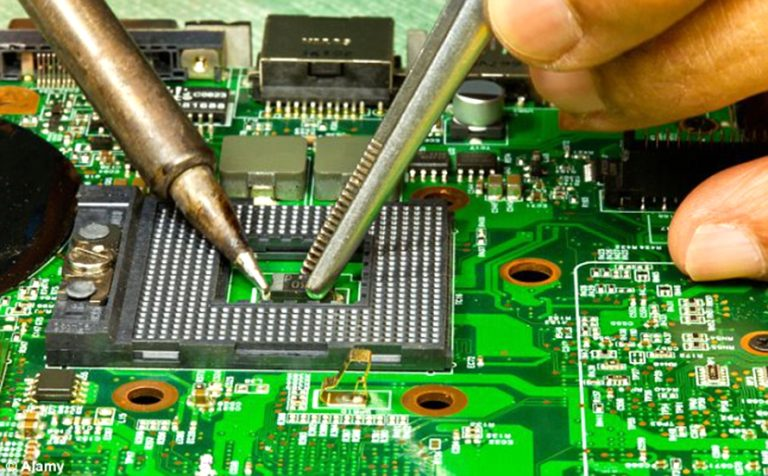
Ball Grid Array (BGA) technology has revolutionized the world of circuit board assembly, providing a reliable and efficient method for mounting components on printed circuit boards (PCBs). In this blog, we will explore the basics of BGA PCB assembly, discussing why it is so popular in modern electronics, the detailed process of mounting BGAs, and key considerations...

BGA Assembly: Beginner’s Guide to Ball Grid Array Assembly

Why BGA Assembly Is Critical in Modern PCB Design As electronic devices move toward miniaturization, high-speed performance, and high pin-count integration, the Ball Grid Array (BGA) assembly has become a mainstream packaging technology in: Microprocessors (CPU/GPU) FPGAs High-speed communication ICs Memory devices (DDR, LPDDR) Compared with traditional packages (QFP, SOP), BGA offers: Higher I/O density...

Importance of PCB Assembly in Circuit Board Protection

In the fast-paced world of technology, printed circuit boards (PCBs) quietly protect the functionality of electronic devices. In addition to connecting components, PCB assembly is also critical to protecting against potential threats. This blog explores why PCB assembly is critical to circuit board protection and highlights protective measures to ensure the reliability and longevity of electronic products. Join us...

High-Frequency PCB: High-Speed ​​Circuits for Signal Transmission

1. Introduction: Why High-Frequency PCBs Are the Backbone of Modern Signal Transmission In today’s electronics industry, the demand for high-speed signal transmission and high-frequency communication is rapidly increasing due to the expansion of 5G/6G networks, automotive radar systems, satellite communications, and data center interconnects. At these high frequencies (GHz to mmWave range), signal behavior is...

How to target the heat of high-temperature PCBs?

Have you ever wondered what a PCB is? A printed circuit board (PCB) is an electronic component used to connect various electrical devices. Copper conductors make electrical connections between components on a printed circuit board (PCB) (electronic assembly). The printed circuit board provides mechanical support for the electronic components, leaving space for the device in the housing....

Which PCB Coating vs Resin Protection is Best?

Amid the increasing climate change, protection has become a top priority for every advancement. Moreover, we cannot deny that tech products require strong resistance to harsh weather, rain, sun or electromagnetic currents. Resins and coatings protect printed circuit boards to ensure their compatibility. This helps focus on which environmental factors affect the PCB from the outside and...

How to Remove Flux from PCB?

During PCB soldering and PCB assembly (PCBA), flux is widely used to ensure strong and reliable electrical connections. However, removing flux from PCB after soldering is equally important. Excess flux residue on PCB can lead to signal interference, corrosion, leakage current, and long-term reliability issues. This guide explains how to remove flux from PCB, covering...