HomeTag

semiconductor test PCB - KKPCB

High Layer Count ATE PCB: Advanced Multilayer Solutions for High-Density Semiconductor Testing

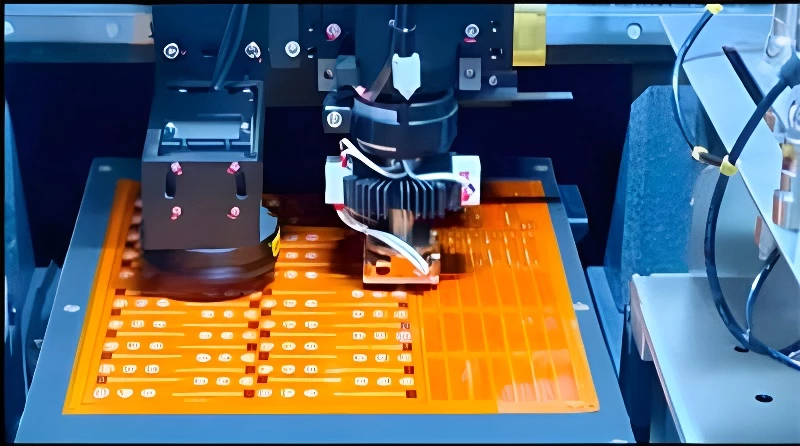
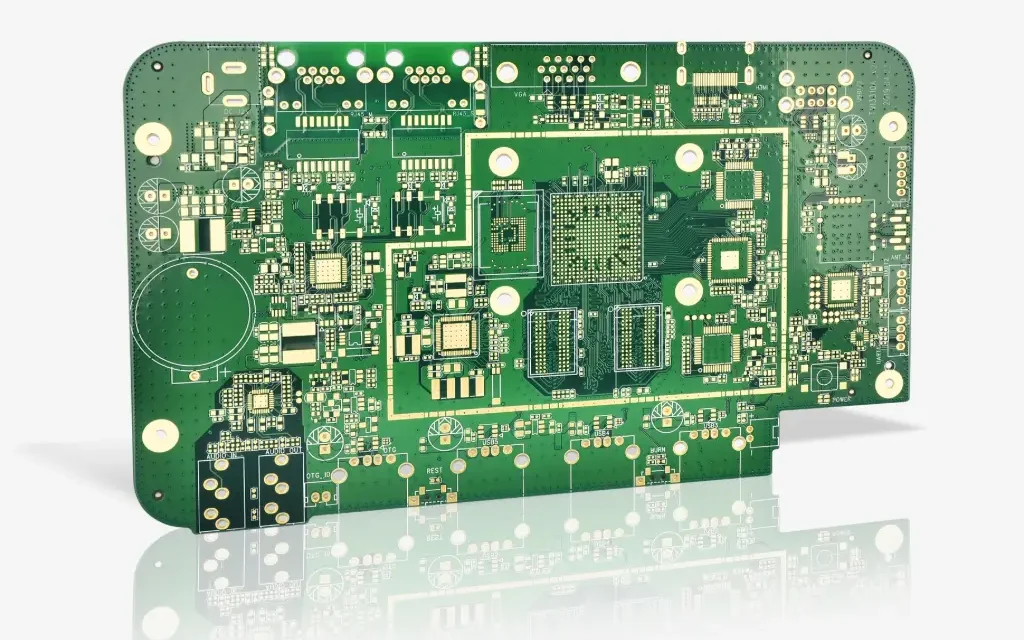
As semiconductor devices continue to increase in complexity and pin density, automatic test equipment (ATE) systems require more advanced interconnect solutions. The High Layer Count ATE PCB is specifically engineered to support dense routing, high-speed signal integrity, and stable power delivery in modern semiconductor test environments. High layer count ATE PCBs play a critical role...
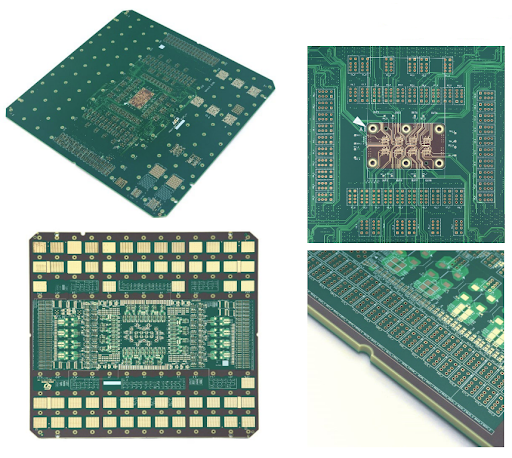
Rigid-Flex Test PCB: High-Reliability Interconnect Solutions for Advanced Test Systems

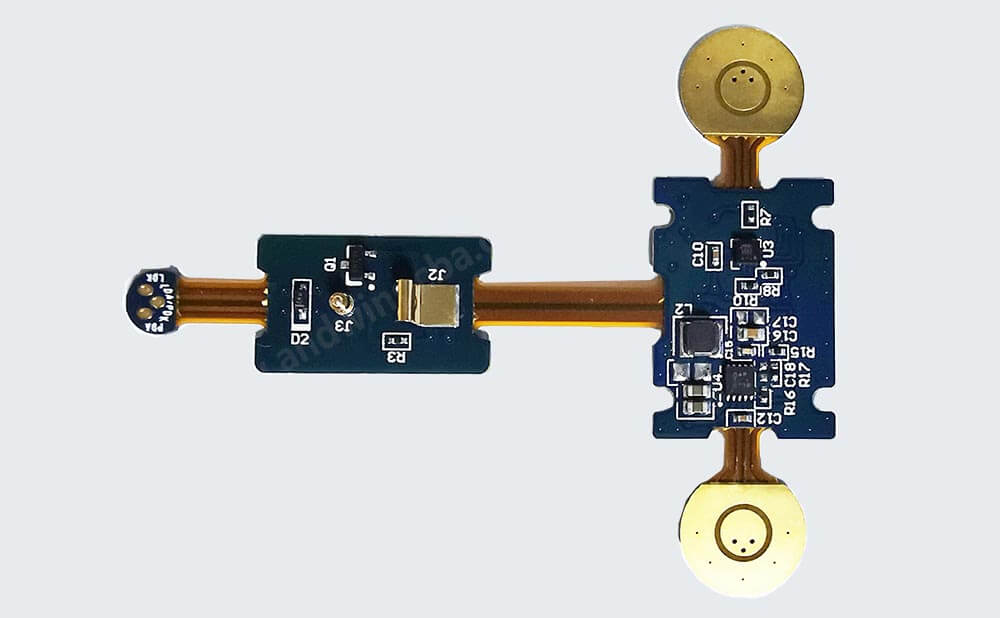
Modern test platforms demand compact form factors, complex interconnections, and stable signal performance. The Rigid-Flex Test PCB addresses these challenges by integrating rigid PCB sections with flexible circuits, creating a single, reliable structure optimized for advanced testing environments. Rigid-flex test PCBs are increasingly essential in semiconductor testing, ATE systems, and high-density validation platforms. What Is...

Small Batch ATE PCB: Stable Low-Volume Manufacturing for Test System Qualification

Between prototype validation and mass production, test engineers require repeatable manufacturing that reflects real production conditions. Small Batch ATE PCB manufacturing delivers controlled, low-volume builds that ensure electrical consistency, mechanical reliability, and scalable processes for automated test equipment. Small batch ATE PCBs are essential for system qualification and risk reduction. What Defines a Small Batch...

ATE PCB Prototype: Fast and Reliable Platforms for Test System Validation

In automated test equipment development, early-stage validation determines long-term system reliability. The ATE PCB Prototype provides a controlled platform for verifying electrical performance, mechanical interfaces, and test repeatability before production deployment. A well-designed ATE PCB prototype reduces risk and accelerates development cycles. Role of ATE PCB Prototypes in Test Engineering An ATE PCB Prototype bridges...

High Speed Test PCB: Precision Platforms for High-Speed Signal Validation and Test Accuracy

As data rates continue to increase across modern electronics, validating high-speed signals becomes more challenging. The High Speed Test PCB provides a stable and repeatable platform for evaluating signal integrity, timing, and performance in high-speed digital and mixed-signal systems. High speed test PCBs are essential for accurate measurement and debugging. What Is a High Speed...

ATE PCB Assembly: Precision Assembly Solutions for Reliable Automated Test Equipment

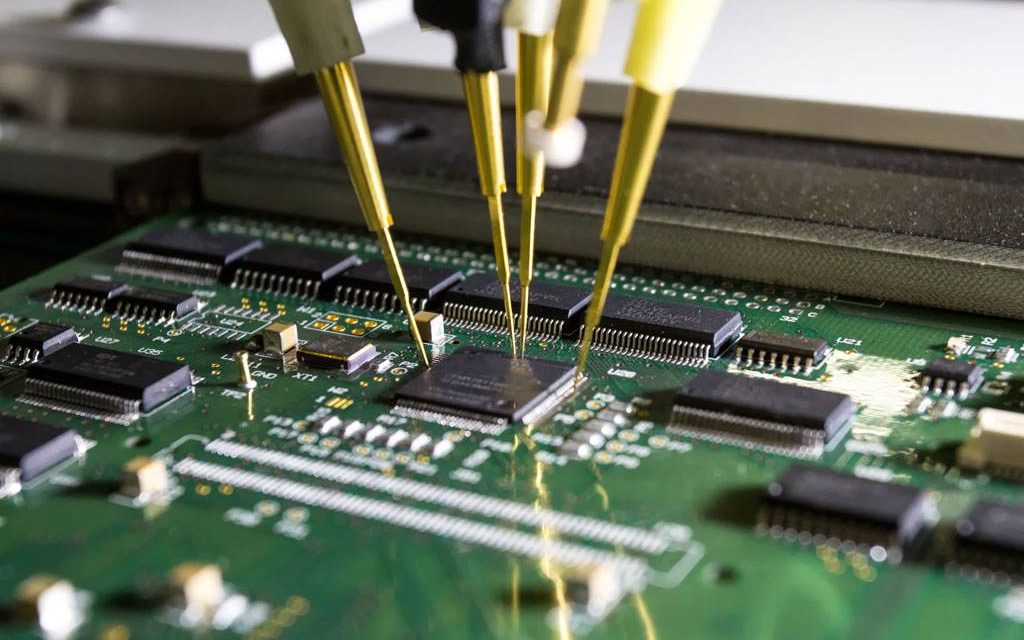
Automated test equipment relies not only on PCB design and fabrication, but also on precise and repeatable assembly. ATE PCB Assembly plays a critical role in ensuring signal integrity, power stability, and mechanical reliability throughout semiconductor testing operations. High-quality assembly directly impacts test accuracy and system uptime. What Is ATE PCB Assembly? ATE PCB Assembly...

High Layer Count ATE PCB: Advanced Multilayer Platforms for High-Density Test Systems

As automated test equipment evolves to support faster data rates and higher pin counts, PCB complexity increases significantly. The High Layer Count ATE PCB provides the routing density, power integrity, and signal control required for modern semiconductor testing. High layer count designs are essential for advanced ATE performance and scalability. What Is a High Layer...

Rigid-Flex Test PCB: Space-Efficient and Reliable Solutions for Advanced Test Applications

As test systems become more compact and complex, traditional rigid PCBs often struggle to meet mechanical and routing constraints. The Rigid-Flex Test PCB combines rigid board stability with flexible interconnections, enabling reliable testing in space-limited and mechanically dynamic environments. Rigid-flex technology is increasingly essential for modern test and validation platforms. What Is a Rigid-Flex Test...

Small Batch ATE PCB: Reliable Low-Volume Manufacturing for Test Engineering and NPI

Between initial prototyping and full-scale production, test engineers often require a controlled, repeatable manufacturing stage. Small batch ATE PCB production fills this gap by providing consistent quality, stable electrical performance, and scalable processes for automated test equipment (ATE) development. Small batch manufacturing enables engineering teams to validate real production conditions without the risks of mass...

ATE PCB Prototype: Rapid Validation Platforms for Automated Test Equipment Development

Before an automated test system enters production, its electrical and mechanical behavior must be thoroughly validated. The ATE PCB Prototype serves as the critical platform for early-stage verification, allowing engineers to evaluate signal integrity, power delivery, and interface compatibility under real test conditions. A well-executed ATE PCB prototype reduces development risk and accelerates time to...