Between prototype validation and mass production, test engineers require repeatable manufacturing that reflects real production conditions. Small Batch ATE PCB manufacturing delivers controlled, low-volume builds that ensure electrical consistency, mechanical reliability, and scalable processes for automated test equipment.
Small batch ATE PCBs are essential for system qualification and risk reduction.
What Defines a Small Batch ATE PCB?
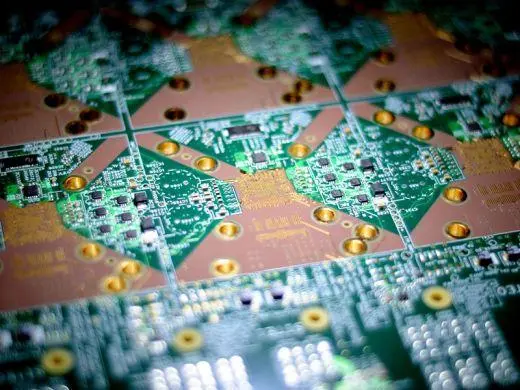
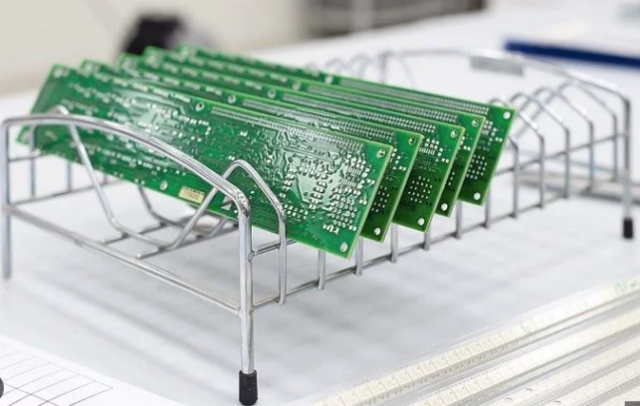
A Small Batch ATE PCB typically refers to low-volume production runs—often from tens to a few hundred boards—used for engineering qualification, system verification, and pre-production testing.
Unlike single prototypes, small batch builds focus on process stability and board-to-board consistency.
Why Small Batch Manufacturing Is Critical for ATE
Small batch ATE PCB manufacturing allows teams to:
-
Validate repeatability across multiple units
-
Evaluate yield and assembly stability
-
Detect design or process issues before scaling
This stage significantly reduces downstream risk.
Electrical Consistency and Signal Integrity
ATE systems depend on predictable signal behavior. Small batch ATE PCBs emphasize:
-
Controlled impedance across all test channels
-
Stable multilayer stackups and material control
-
Repeatable signal routing geometry
Consistent electrical performance ensures reliable test results.
Power Integrity and Thermal Evaluation
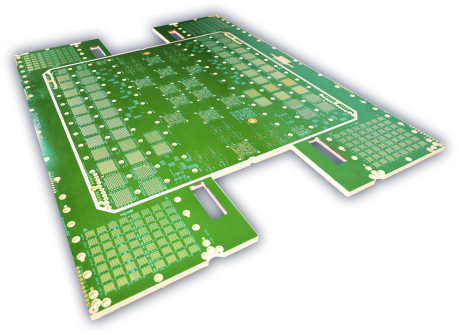
Small batch ATE PCB builds enable engineers to:
-
Validate power distribution under load
-
Observe thermal behavior over extended test cycles
-
Optimize decoupling and grounding strategies
These insights are critical for long-term operation.
Manufacturing Process Validation
Small batch ATE PCB production verifies:
-
Fabrication repeatability
-
Assembly accuracy for high pin count components
-
Connector, socket, and interface reliability
Process validation ensures readiness for volume production.
Design-for-Test and Debug Accessibility
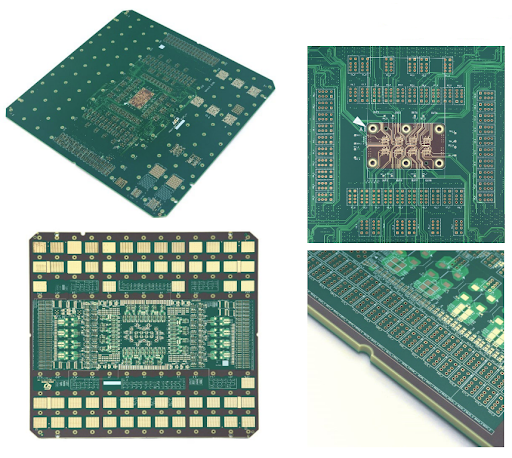
Small batch ATE PCBs are optimized for engineering use with:
-
Accessible probing points
-
Clear reference labeling
-
Modular layout concepts
These features support efficient troubleshooting.
Typical Applications of Small Batch ATE PCBs
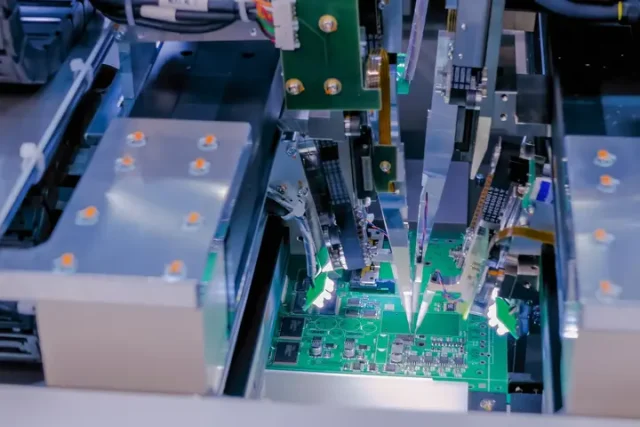
Small batch ATE PCBs are widely used in:
-
ATE system qualification builds
-
Semiconductor device validation
-
Customer and regulatory certification testing
-
Pilot production test environments
Each application benefits from controlled low-volume manufacturing.
Transition from Small Batch to Volume Production
An effective small batch ATE PCB strategy ensures:
-
Minimal design changes during scale-up
-
Stable electrical and mechanical performance
-
Predictable cost and lead time
This enables a smooth transition to mass production.
Choosing a Small Batch ATE PCB Manufacturer
When selecting a small batch ATE PCB supplier, key factors include:
-
Experience with test and semiconductor PCBs
-
Controlled impedance and multilayer capability
-
Strong DFM and engineering feedback
-
Flexible scheduling and fast turnaround
A capable partner supports both qualification and production goals.
Conclusion
Small Batch ATE PCB manufacturing is a critical step in qualifying automated test equipment. By combining low-volume flexibility with production-level consistency, small batch ATE PCBs enable confident validation, reduced risk, and efficient scale-up.
Partnering with an experienced small batch ATE PCB manufacturer ensures reliable performance from qualification to mass production.