As test systems become more compact and complex, traditional rigid PCBs often struggle to meet mechanical and routing constraints. The Rigid-Flex Test PCB combines rigid board stability with flexible interconnections, enabling reliable testing in space-limited and mechanically dynamic environments.
Rigid-flex technology is increasingly essential for modern test and validation platforms.
What Is a Rigid-Flex Test PCB?
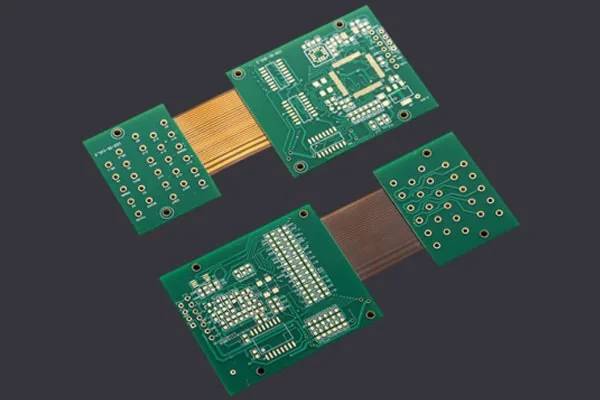
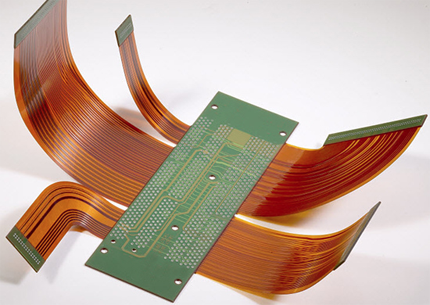
A Rigid-Flex Test PCB integrates rigid sections for component mounting and flexible circuits for interconnection within a single structure. This design eliminates connectors and cables, improving reliability and signal performance in test applications.
Why Rigid-Flex Matters in Test Environments
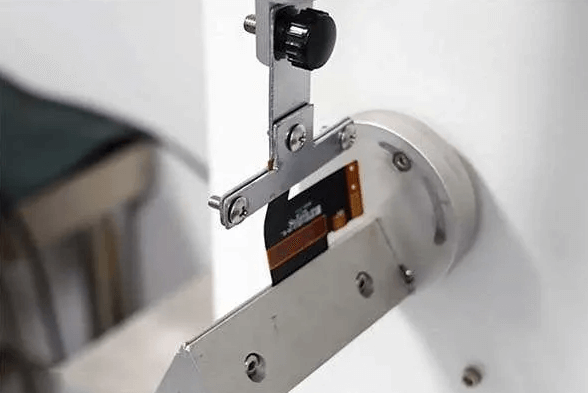
Test systems demand repeatable performance and mechanical stability. Rigid-flex test PCBs provide:
-
Reduced interconnect failures
-
Improved vibration and shock resistance
-
Compact system layouts
These advantages are critical for long-term test reliability.
Signal Integrity Benefits for High-Speed Testing
High-speed and high-frequency test signals benefit from rigid-flex designs through:
-
Shorter signal paths
-
Fewer discontinuities
-
Controlled impedance routing across rigid and flex sections
This results in cleaner signals and more accurate measurements.
Mechanical Flexibility and Durability
Rigid-flex test PCBs are designed to withstand:
-
Repeated bending during installation
-
Thermal cycling in test environments
-
Mechanical stress from fixtures and sockets
Proper material selection ensures long service life.
Design Considerations for Rigid-Flex Test PCBs
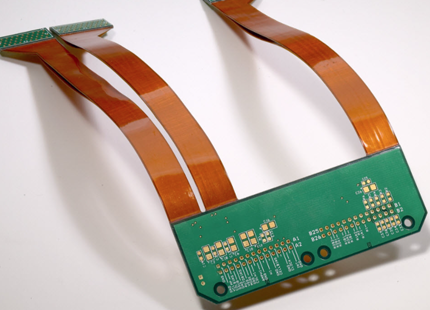
Key design factors include:
-
Flex material selection and bend radius control
-
Layer stackup transitions between rigid and flex zones
-
Reinforcement and stiffener placement
Careful design ensures both electrical and mechanical performance.
Manufacturing Challenges and Quality Control
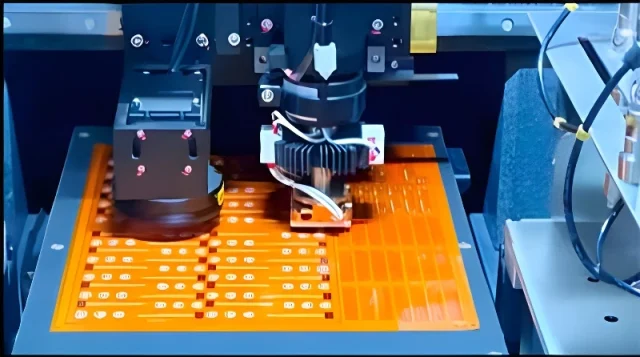
Producing rigid-flex test PCBs requires:
-
Precise lamination control
-
Accurate layer alignment
-
Strict impedance and continuity testing
Experienced manufacturing is essential for consistent results.
Typical Applications of Rigid-Flex Test PCBs
Rigid-flex test PCBs are widely used in:
-
ATE systems with space constraints
-
Semiconductor test fixtures
-
High-density probe and socket boards
-
Modular and portable test equipment
These applications benefit from reduced complexity and increased reliability.
Choosing a Rigid-Flex Test PCB Manufacturer
When selecting a rigid-flex test PCB supplier, consider:
-
Proven experience with test and semiconductor boards
-
Advanced rigid-flex fabrication capability
-
Engineering support and DFM feedback
-
Small batch and NPI manufacturing options
The right partner ensures stable and scalable solutions.
Conclusion
The Rigid-Flex Test PCB offers a powerful solution for advanced test environments where space, reliability, and signal integrity are critical. By combining mechanical flexibility with robust electrical performance, rigid-flex test PCBs enable more compact, reliable, and efficient test systems.
Working with an experienced rigid-flex test PCB manufacturer helps ensure long-term performance and smooth transition from engineering validation to production.