Power Integrity PCB - KKPCB
 
HomeTag

Power Integrity PCB - KKPCB

High Reliability PCBs: Designing for Long-Term Performance and Failure Prevention

What Does “High Reliability” Really Mean? A High Reliability PCB is not simply a well-manufactured board—it is a PCB designed to perform consistently over time under defined environmental and electrical stress conditions. Reliability is measured not just by initial functionality, but by the ability to: Maintain performance over long lifecycles Withstand thermal, mechanical, and electrical...

Custom ATE PCBs: From Specification to Production-Ready Test Platforms

What Makes an ATE PCB Truly “Custom”? A Custom ATE PCB is not just a modified test board—it is a fully tailored interface designed around a specific combination of: Device Under Test (DUT) Test socket and mechanical interface ATE system architecture Signal, power, and timing requirements Unlike standard PCBs, every aspect—from pin mapping to stack-up—is...

High Pin Count PCBs: Managing Complexity in Advanced Electronic Systems

System Complexity as the Driving Force Modern electronic systems are no longer defined by individual components, but by highly integrated devices with massive I/O requirements. CPUs, GPUs, FPGAs, and advanced SoCs now feature hundreds to thousands of pins, driving the need for High Pin Count PCBs. This shift introduces a new level of complexity: Multiple...

Custom ATE PCBs: Tailored Solutions for Precision Semiconductor Testing

Why Custom ATE PCBs Matter In semiconductor testing, off-the-shelf solutions rarely meet the requirements of modern devices. A Custom ATE PCB is specifically engineered to match the electrical, mechanical, and performance requirements of a particular device under test (DUT) and its associated test platform. Unlike general-purpose test boards, custom ATE PCBs are designed to: Match...

Multilayer Test PCBs: Reliable Platforms for High-Performance Electronic Testing

Role in Test Systems A Multilayer Test PCB is a specialized board used in electronic testing environments, particularly in systems involving Automated Test Equipment (ATE), validation platforms, and high-speed signal verification. Unlike standard PCBs, test boards are not part of the final product—they serve as temporary but critical platforms that ensure devices function correctly before...

High Pin Count PCBs: Enabling Complex Interconnections in Advanced Electronics

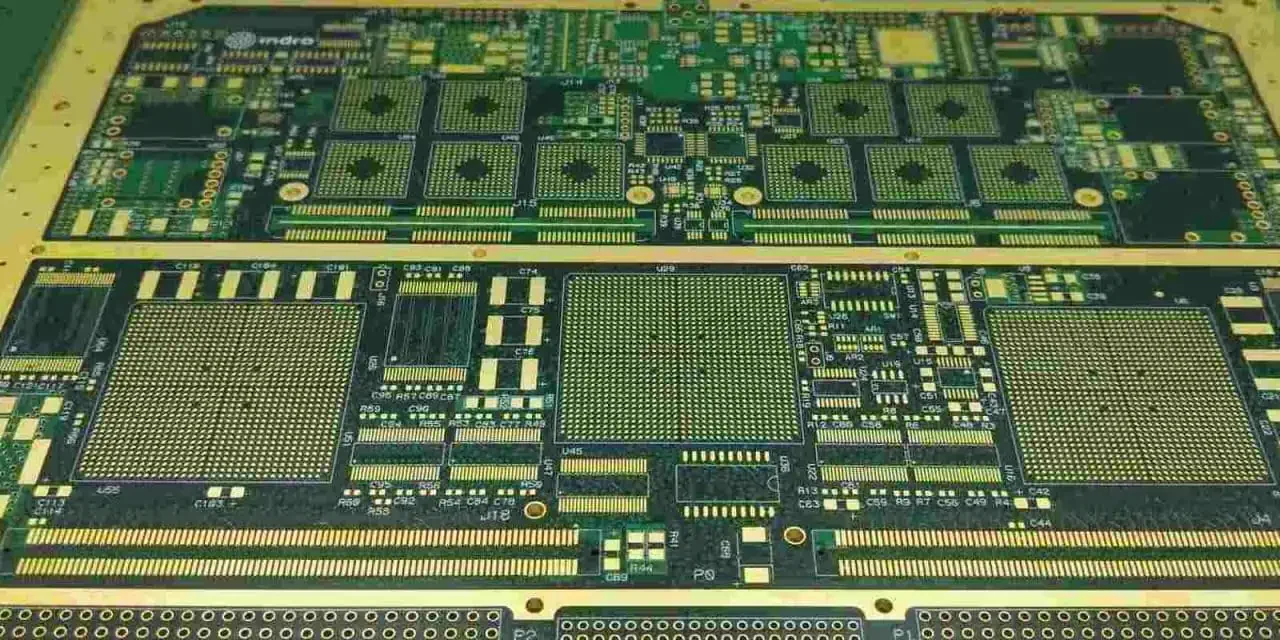
Why High Pin Count Matters As modern electronic systems evolve, integrated circuits such as CPUs, GPUs, FPGAs, and high-speed SoCs demand hundreds or even thousands of I/O connections. A High Pin Count PCB is designed to support these devices by enabling dense interconnections within limited board space. Unlike standard PCB designs, high pin count boards...

Load Board PCBs: Critical Interfaces for Accurate Semiconductor Testing

Role in Test System A Load Board PCB serves as the primary electrical interface between Automated Test Equipment (ATE) and the Device Under Test (DUT). While probe cards operate at the wafer level, load boards are typically used in package-level testing, where ICs are already packaged and mounted into sockets. In a typical test setup,...

High Layer Count PCBs: Advanced Solutions for Complex Electronic Systems

A High Layer Count PCB is a printed circuit board with 8 or more signal layers, often extending to 20–40 layers or more in advanced systems. These boards enable dense routing, compact design, and integration of multiple high-speed and RF circuits in a single assembly. High layer count PCBs are critical in: High-performance computing Networking...

Power Integrity PCB: Ensuring Stable Power Delivery for High-Speed Electronics

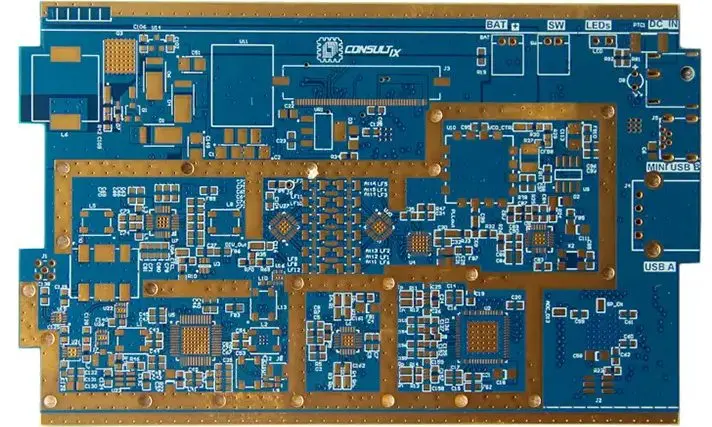
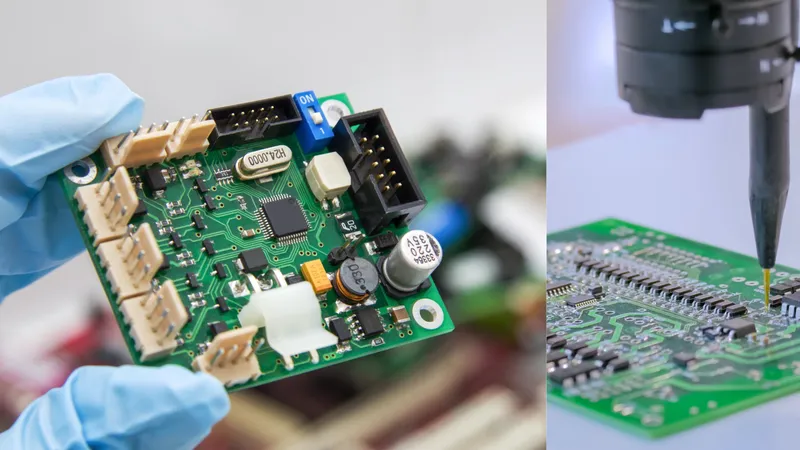
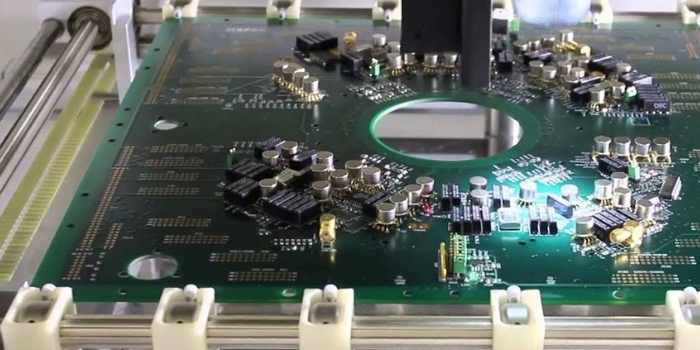
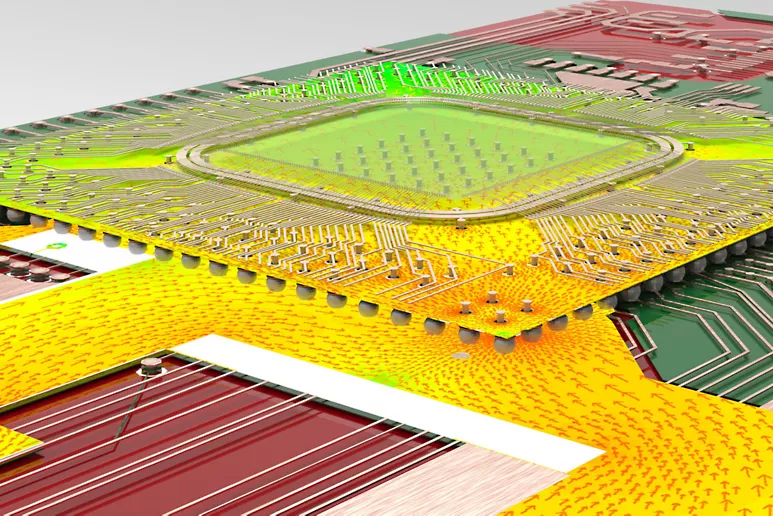
Power Integrity PCB: Ensuring Stable Power Delivery for High-Speed Electronics As modern electronic systems operate at increasingly high speeds, maintaining Power Integrity (PI) on printed circuit boards is critical. Power Integrity PCB design ensures that all components receive clean, stable voltage, minimizing noise, voltage drop, and electromagnetic interference (EMI). Poor power integrity can cause timing...

Megtron 6 PCBs: Ultra-Low Loss High-Speed PCB Material for 56G/112G SerDes and Advanced Signal Integrity

As data rates continue to increase across modern electronics, PCB materials are no longer just a mechanical platform—they directly determine high-speed performance, signal quality, and product reliability. Today’s systems such as AI servers, data center switches, routers, advanced backplanes, and high-speed compute modules require extremely stable electrical characteristics to support multi-gigabit and ultra-high bandwidth transmission....