PCB Reliability - KKPCB
 
HomeTag

PCB Reliability - KKPCB

From Stackup Planning to Lamination Control: Engineering High Layer Count PCBs That Actually Work

Engineering High Layer Count PCBs: Why “More Layers” Isn’t the Answer As electronic systems evolve toward higher speeds, higher integration, and smaller form factors, high layer count PCBs—typically 16 layers and above—have become standard in data centers, telecommunications, aerospace electronics, and advanced industrial systems. However, many multilayer PCBs fail not because of schematic errors, but...

Aerospace PCB Assembly: Materials, Reliability, and Key Manufacturing Requirements

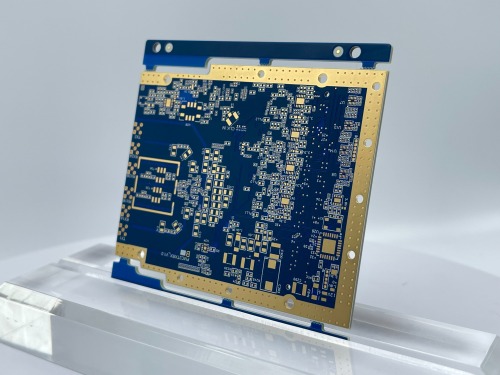
Aerospace PCB Assembly: Requirements, Reliability, and Key Considerations Aerospace PCB assembly refers to the process of building, integrating, and testing electronic circuits on printed circuit boards designed for aviation, defense, and spacecraft systems. Because aerospace electronics operate in mission-critical environments, the assembly process must ensure absolute precision, uncompromised reliability, and long-term stability. Proper assembly not...

RO4350B PCB Hybrid Stackup Design and Lamination Challenges in Mass Production

As high-frequency PCB design becomes increasingly prevalent in RF, 5G, and high-speed digital systems, the use of RO4350B PCB materials in combination with standard FR4 has led to the widespread adoption of hybrid PCB stackup design. A RO4350B hybrid stackup PCB enables designers to balance cost efficiency and high-frequency performance, making it ideal for complex...

Ensuring PCB Reliability Through Burn-in Testing — How KKPCB Guarantees Long-Term Performance

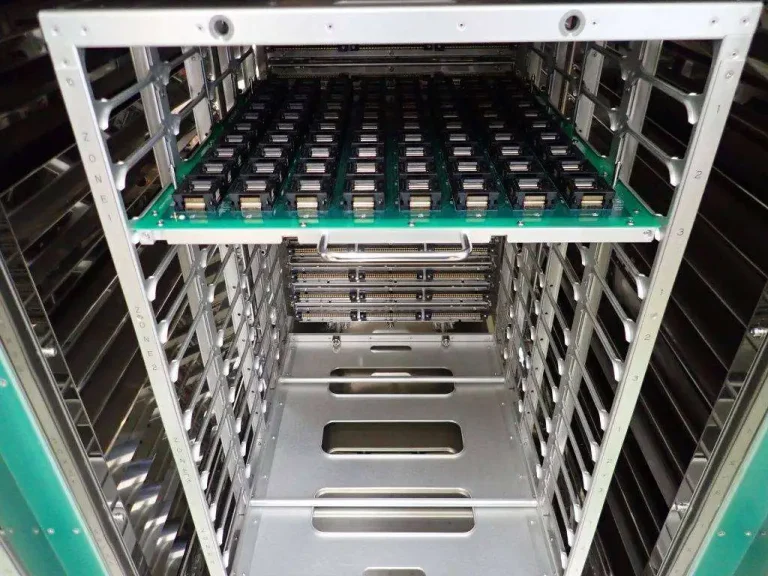
Ensuring PCB Reliability Through Burn-in Testing — How KKPCB Guarantees Long-Term Performance In high-performance electronics, reliability isn’t a luxury — it’s a requirement. At KKPCB, every printed circuit board that leaves our production line is expected to perform consistently under demanding real-world conditions. One of the most critical steps in achieving that standard is our...

Materials for High Temperature PCBs

High temperature PCB design is a critical aspect of modern electronics, especially in applications involving high power, harsh environments, or continuous operation. PCBs operating at high power often generate significant heat and may experience repeated thermal cycling, making material selection essential for long-term reliability and performance. While active cooling methods such as fans or heat...

Understanding and Improving PCB Open Circuits: Causes and Solutions

Why PCB Open Circuits Matter In PCB manufacturing and PCB assembly, PCB open circuits are one of the most common and critical defects affecting electrical performance and product reliability. An open circuit occurs when an electrical path is unintentionally broken, preventing current from flowing through the circuit. For industries requiring high reliability—such as automotive electronics,...

Common Problems and Solutions for Substrates in PCB Design

In modern PCB design, the choice and handling of substrate materials play a critical role in determining the overall performance, reliability, and manufacturability of the circuit board. Substrate-related issues can lead to serious defects such as poor solderability, delamination, signal loss, and even complete product failure. This article outlines the most common substrate problems encountered...

The Importance of Reliable PCB Testing Standards for Electronic Circuit Performance

In the modern electronics landscape, where devices are becoming smaller, faster, and more complex, the margin for error in PCB manufacturing has shrunk to nearly zero. A single microscopic defect in a multilayer PCB can lead to system-wide failure, costly recalls, or even safety hazards. Ensuring peak electronic circuit performance is not just about high-quality design; it is about the rigorous...