PCB manufacturing - KKPCB
 
HomeTag

PCB manufacturing - KKPCB

Pros and Cons of Through-Hole PCB Assembly vs. SMT PCB Assembly

Introduction: Choosing the Right PCB Assembly Method In modern electronics manufacturing, selecting the right PCB assembly method is critical for achieving optimal performance, cost efficiency, and product reliability. The two most common methods—Through-Hole PCB Assembly (THT) and SMT PCB Assembly (Surface Mount Technology)—each offer distinct advantages and limitations. Understanding the pros and cons of Through-Hole...

Difference Between PCB Manufacturing and PCB Assembly

The Printed Circuit Board (PCB) is a fundamental component of all electronic devices, serving as the “command center” that ensures their functionality. However, many business owners struggle to differentiate between PCB manufacturing and PCB assembly, often leading to suboptimal decisions. This article clarifies the distinction and importance of both processes. What is PCB Manufacturing? PCB manufacturing is the process of creating...

Advantages and Disadvantages of Surface Mount Technology (SMT)

The Importance of SMT in Modern PCB Assembly In modern electronics manufacturing, Surface Mount Technology (SMT) has become the dominant method for PCB assembly. By enabling compact designs and high-speed production, SMT PCB assembly plays a critical role in industries such as consumer electronics, automotive systems, and communication technology. However, like any PCB assembly technology,...

What is the difference between flexible PCB and just scratching the printing circuit board?

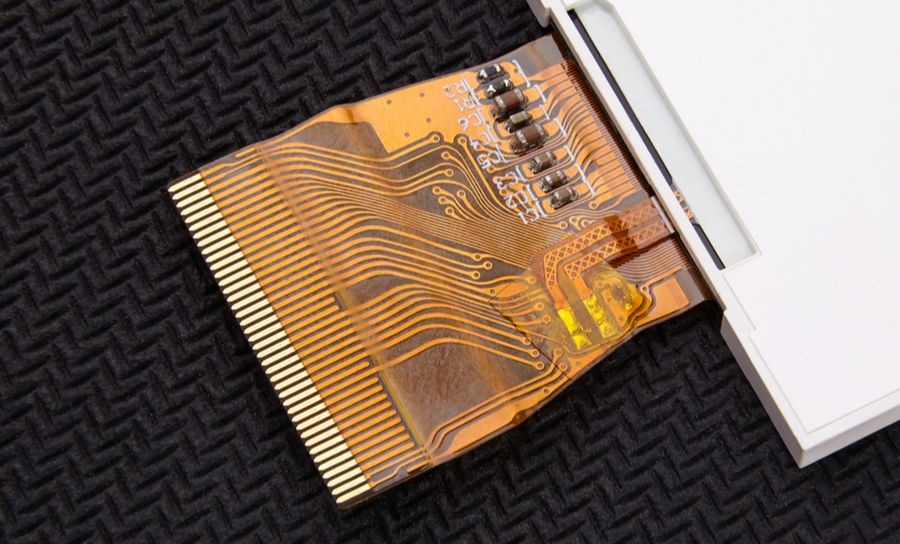
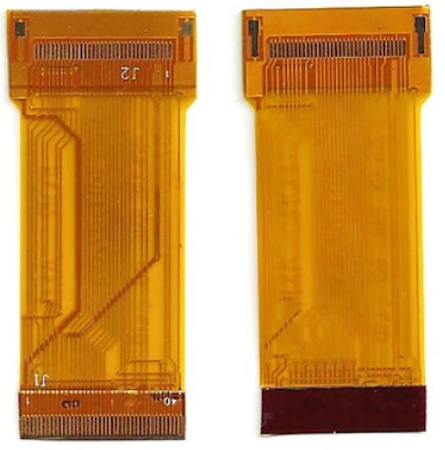
1. What Is a Flexible PCB? A flexible PCB (Flex PCB) is a specially engineered printed circuit board made from flexible materials such as polyimide. It is designed to bend, twist, or fold without damaging the circuit. Key Characteristics: Built on flexible substrates (e.g., polyimide) Designed for dynamic or static bending High reliability under mechanical...

Blind Via and Buried Via

In modern PCB design, Blind Via and Buried Via technologies play a critical role in achieving high-density interconnect (HDI) structures, improving signal integrity, and optimizing PCB layout performance. As electronic devices continue to evolve toward miniaturization, high speed, and high functionality, the use of blind vias and buried vias has become increasingly essential in advanced...

How to Choose the Right Material for Flexible LED PCB

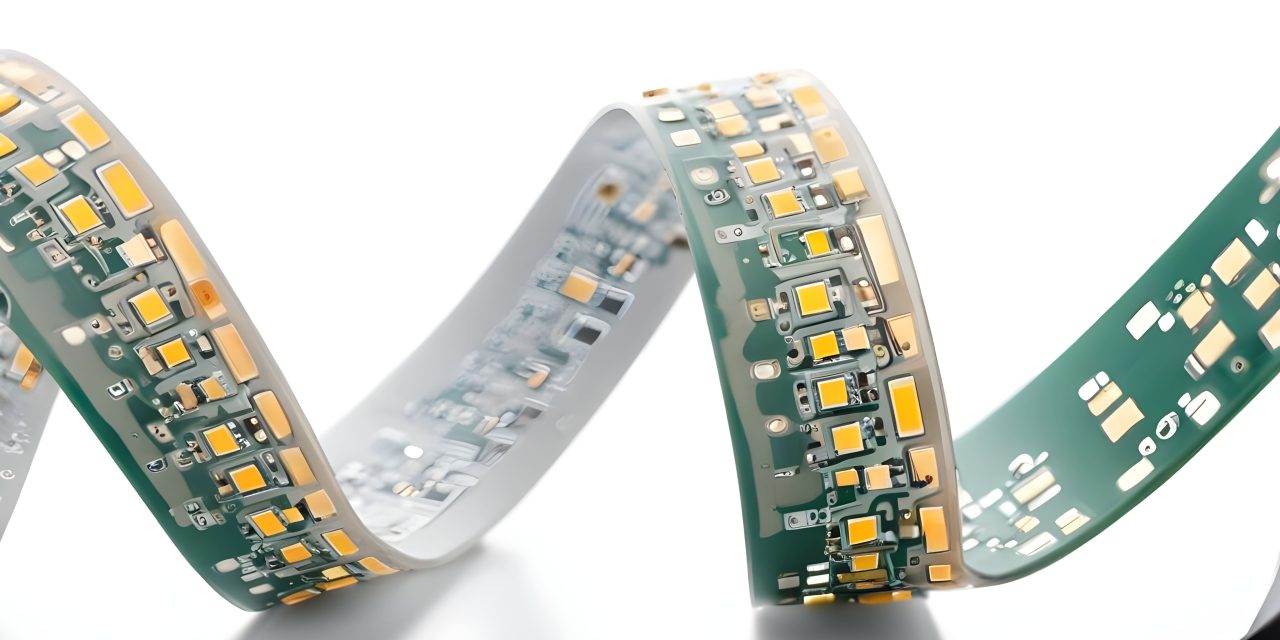
Introduction: Why Material Selection Matters in Flexible LED PCB In modern LED lighting applications, selecting the right material for a flexible LED PCB is critical to achieving optimal thermal performance, flexibility, and long-term reliability. As LED products continue to evolve toward thin, lightweight, and bendable designs, the importance of choosing the correct flexible PCB material...

Rigid-Flex PCBs: Features, Benefits and Challenges

Introduction: The Rise of Rigid-Flex PCB Technology As modern electronics continue to evolve toward miniaturization, high reliability, and complex system integration, Rigid-Flex PCBs have become a key solution in advanced PCB design and manufacturing. By combining the strengths of rigid PCBs and flexible PCBs, Rigid-Flex PCB technology enables innovative product designs that are both compact...

Aluminum PCB vs. Standard PCB: A Complete Guide to Finding the Right One for You!

1. Introduction: Why PCB Material Selection Matters In modern PCB design and manufacturing, material selection plays a decisive role in product performance, especially in applications involving high power density, heat dissipation, and reliability requirements. Two of the most commonly compared options are: Aluminum PCB (Metal Core PCB, MCPCB) Standard FR4 PCB Each type has unique...

Multilayer PCB Manufacturing Process: A Complete Step-by-Step Guide

Multilayer PCBs (Printed Circuit Boards) are the heart of complex modern electronics, consisting of three or more conductive copper layers separated by insulating dielectric materials. Unlike simpler boards, they offer higher circuit density and improved signal integrity, making them essential for everything from smartphones to aerospace technology. Step 1: Design and Data Preparation The process...

Advantages and applications of single-sided PCB

The Single-Sided PCB (Single-Layer PCB) is the most fundamental and widely used type of circuit board in the electronics industry. Featuring a single layer of conductive copper laminated onto a rigid base material (typically FR-4 or CEM-1), these boards are the backbone of high-volume, cost-sensitive electronics. For PCB manufacturing partners like KKPCB, the single-sided board remains a staple for projects...