HomeTag

PCB assembly - KKPCB

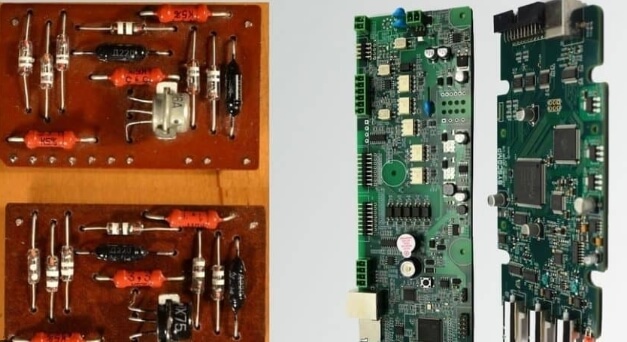
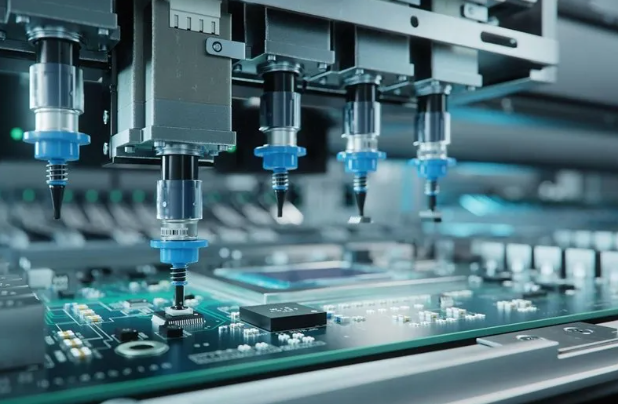
PCB for SMT (Surface Mount Technology): Choosing the Right PCB for SMD Components

With the rapid development of electronic products toward miniaturization, higher integration, and automated manufacturing, Surface Mount Technology (SMT) has become one of the most widely used PCB assembly methods in modern electronics. Unlike traditional through-hole components, Surface Mount Devices (SMD components) are mounted directly onto the surface of a PCB, allowing manufacturers to achieve: Higher...
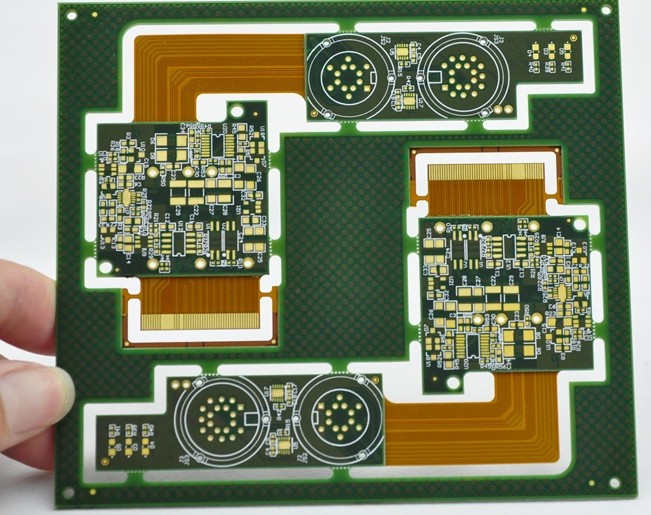
Rigid-Flex PCBs: Features, Benefits and Challenges

Introduction: The Rise of Rigid-Flex PCB Technology As modern electronics continue to evolve toward miniaturization, high reliability, and complex system integration, Rigid-Flex PCBs have become a key solution in advanced PCB design and manufacturing. By combining the strengths of rigid PCBs and flexible PCBs, Rigid-Flex PCB technology enables innovative product designs that are both compact...

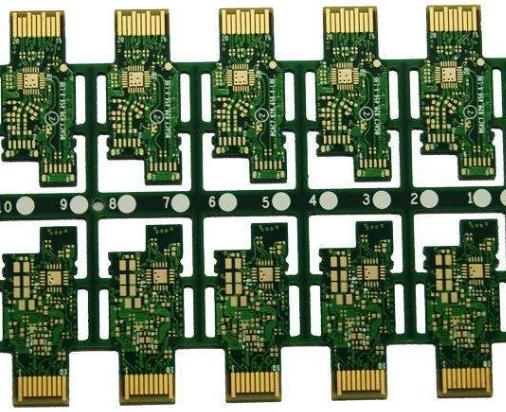
Effective Strategies for PCB Panelization

Handling small circuit boards during automated assembly can lead to defects and inefficiencies. To overcome this challenge, PCB panelization—the process of creating PCB panels from smaller boards—plays a vital role. This technique not only ensures improved handling during assembly but also reduces costs and minimizes defects. Here’s a comprehensive guide to panelizing PCBs, including methods, techniques,...

How Multilayer PCB Assembly is Made, Advantages and Applications

Printed Circuit Boards (PCBs) are valuable electronic components that help improve the efficiency and performance of machines. Therefore, regardless of size, number of production units and purpose, vigilance must be maintained in their manufacturing process. However, what needs to be considered is the use of different types of PCBs. Multilayer PCBs account for more than 50% of the...

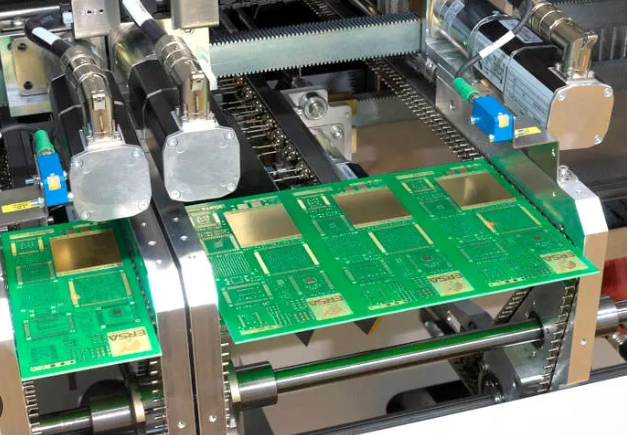
SMT PCB Assembly: Advantages and Challenges of Surface Mount Technology

Surface Mount Technology (SMT) has transformed electronics manufacturing, becoming the preferred method for assembling printed circuit boards (PCBs). By allowing components to be directly mounted on the PCB surface without requiring wires or leads through holes, SMT offers unparalleled advantages in miniaturization, automation, and reliability. However, like any technology, SMT has its challenges. This guide explores the advantages,...

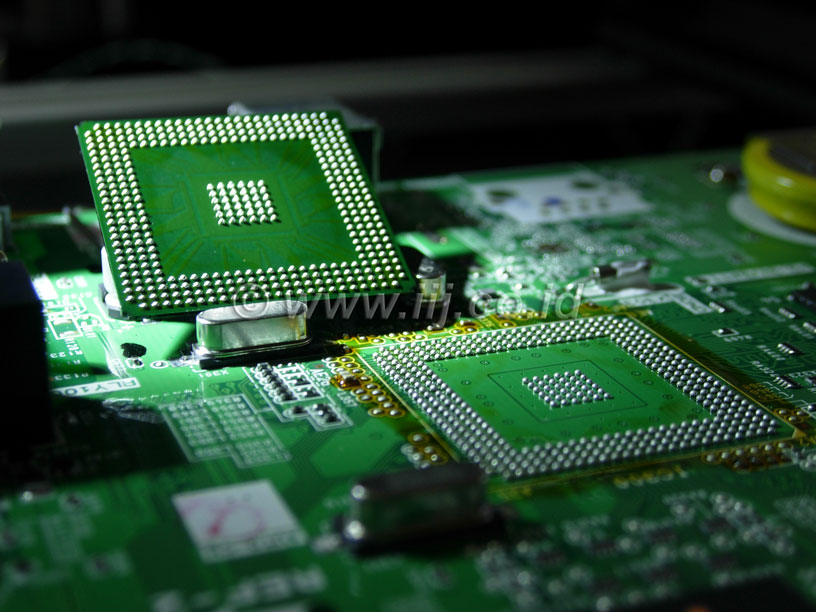
Ball Grid Array (BGA) Package

The Ball Grid Array (BGA) package is one of the most widely used advanced semiconductor packaging technologies in modern high-density PCB design and PCBA assembly. It is designed to provide high pin-count interconnections, improved electrical performance, and enhanced thermal management compared to traditional packages such as QFP or QFN. BGAs are extensively used in CPU,...

Understanding and Improving PCB Open Circuits: Causes and Solutions

Why PCB Open Circuits Matter In PCB manufacturing and PCB assembly, PCB open circuits are one of the most common and critical defects affecting electrical performance and product reliability. An open circuit occurs when an electrical path is unintentionally broken, preventing current from flowing through the circuit. For industries requiring high reliability—such as automotive electronics,...

PCB Interconnection Methods

PCB Interconnection Methods PCB interconnection methods are essential techniques used to electrically and mechanically connect printed circuit boards (PCBs) within electronic systems. Choosing the right PCB interconnection method directly impacts signal integrity, reliability, mechanical strength, assembly cost, and overall system performance — especially in complex devices such as smartphones, automotive electronics, industrial control systems, 5G...

What is the Significance of Solder Paste Printing?

1. Introduction: Why Solder Paste Printing Is Critical in SMT Assembly In modern PCB assembly (PCBA) manufacturing, especially in Surface Mount Technology (SMT) processes, solder paste printing is one of the most critical initial steps. Although it may appear simple, solder paste printing directly determines the quality of: Component placement accuracy Solder joint strength Electrical...

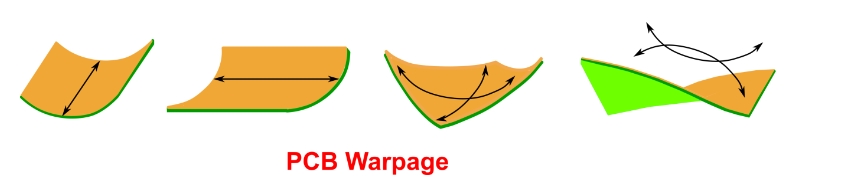
What is PCB warpage?

What is PCB Warpage? PCB warpage refers to the unwanted bending, twisting, or deformation of a printed circuit board from its intended flat shape. Ideally, a PCB should maintain a flat and stable surface throughout fabrication, assembly, and operation. However, differences in material properties, thermal expansion, copper distribution, and manufacturing processes can cause the PCB...