PCB assembly - KKPCB
 
HomeTag

PCB assembly - KKPCB

Common Challenges and Solutions in SMT Board Assembly

Surface Mount Technology (SMT) board assembly is a critical and widely used process in modern PCB manufacturing. This process involves placing and soldering electronic components directly onto the surface of PCB pads. Alongside Plated Through-Hole (PTH) assembly, it is one of the two primary PCB assembly methods. SMT assembly is highly efficient and accurate, making it...

Importance of PCB Assembly in Circuit Board Protection

In the fast-paced world of technology, printed circuit boards (PCBs) quietly protect the functionality of electronic devices. In addition to connecting components, PCB assembly is also critical to protecting against potential threats. This blog explores why PCB assembly is critical to circuit board protection and highlights protective measures to ensure the reliability and longevity of electronic products. Join us...

Difference Between PCB Manufacturing and PCB Assembly

The Printed Circuit Board (PCB) is a fundamental component of all electronic devices, serving as the “command center” that ensures their functionality. However, many business owners struggle to differentiate between PCB manufacturing and PCB assembly, often leading to suboptimal decisions. This article clarifies the distinction and importance of both processes. What is PCB Manufacturing? PCB manufacturing is the process of creating...

Overview of SMD Components and Their Characteristics

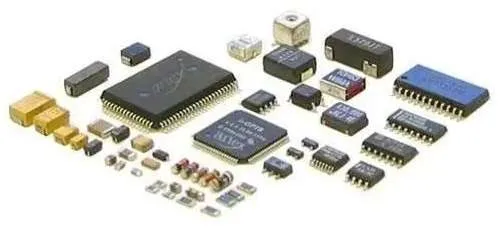
Introduction: The Importance of SMD Components in Modern Electronics In today’s electronics manufacturing industry, SMD components (Surface Mount Device components) are the foundation of modern SMT PCB assembly. As electronic products move toward miniaturization, high performance, and high-density integration, SMD components have become essential in nearly all PCB assembly processes. Understanding the characteristics of SMD...

Turnkey PCB Assembly: A Comprehensive Guide to Efficient and Reliable Electronics Manufacturing

Turnkey PCB assembly is rapidly becoming a preferred solution for businesses seeking a comprehensive, one-stop service for printed circuit board (PCB) manufacturing and assembly. In the fast-paced electronics industry, efficiency, speed, and reliability are key to maintaining competitiveness. By streamlining the entire process from design to delivery, turnkey PCB assembly services allow companies to focus on research and development...

Printed Circuit Board Basics: From Design to Final Artwork

Understanding the Foundation of PCB Technology   A Printed Circuit Board (PCB) is the foundation of nearly every modern electronic product. From: consumer electronics industrial automation systems automotive electronics medical devices aerospace communication equipment high-speed networking hardware PCBs provide the essential platform for: electrical connectivity signal transmission component mounting power distribution As electronic products continue...

Rigid-Flex PCBs: Features, Benefits and Challenges

Introduction: The Rise of Rigid-Flex PCB Technology As modern electronics continue to evolve toward miniaturization, high reliability, and complex system integration, Rigid-Flex PCBs have become a key solution in advanced PCB design and manufacturing. By combining the strengths of rigid PCBs and flexible PCBs, Rigid-Flex PCB technology enables innovative product designs that are both compact...

Effective Strategies for PCB Panelization

Handling small circuit boards during automated assembly can lead to defects and inefficiencies. To overcome this challenge, PCB panelization—the process of creating PCB panels from smaller boards—plays a vital role. This technique not only ensures improved handling during assembly but also reduces costs and minimizes defects. Here’s a comprehensive guide to panelizing PCBs, including methods, techniques,...

How Multilayer PCB Assembly is Made, Advantages and Applications

Printed Circuit Boards (PCBs) are valuable electronic components that help improve the efficiency and performance of machines. Therefore, regardless of size, number of production units and purpose, vigilance must be maintained in their manufacturing process. However, what needs to be considered is the use of different types of PCBs. Multilayer PCBs account for more than 50% of the...