HomeTag

mmWave PCB - KKPCB

5G mmWave PCB Thermal Path: 5 Release Checks

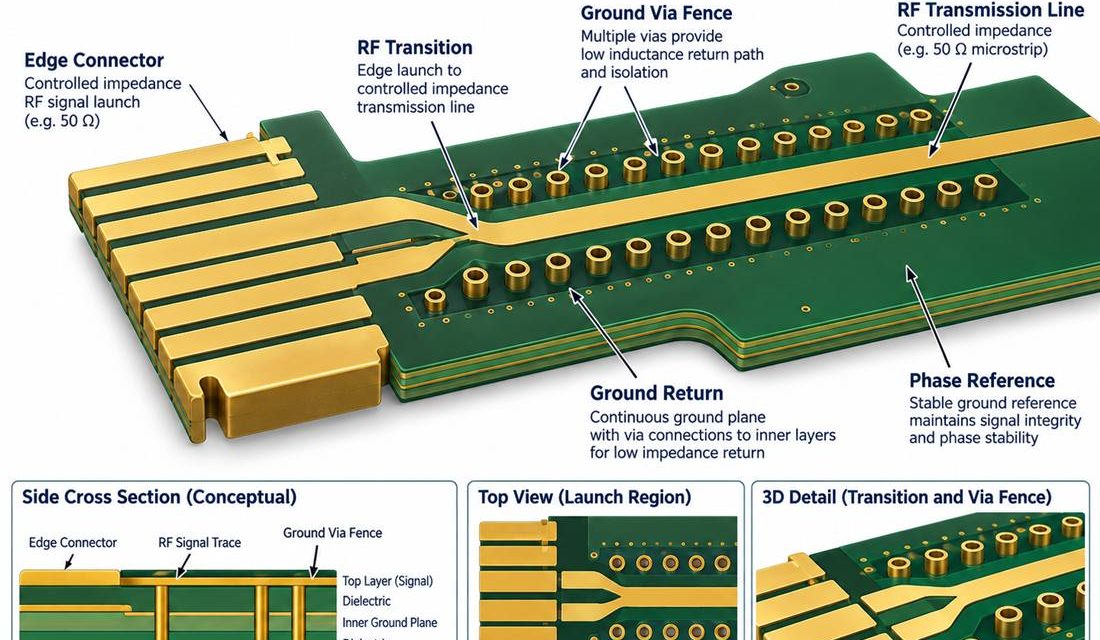
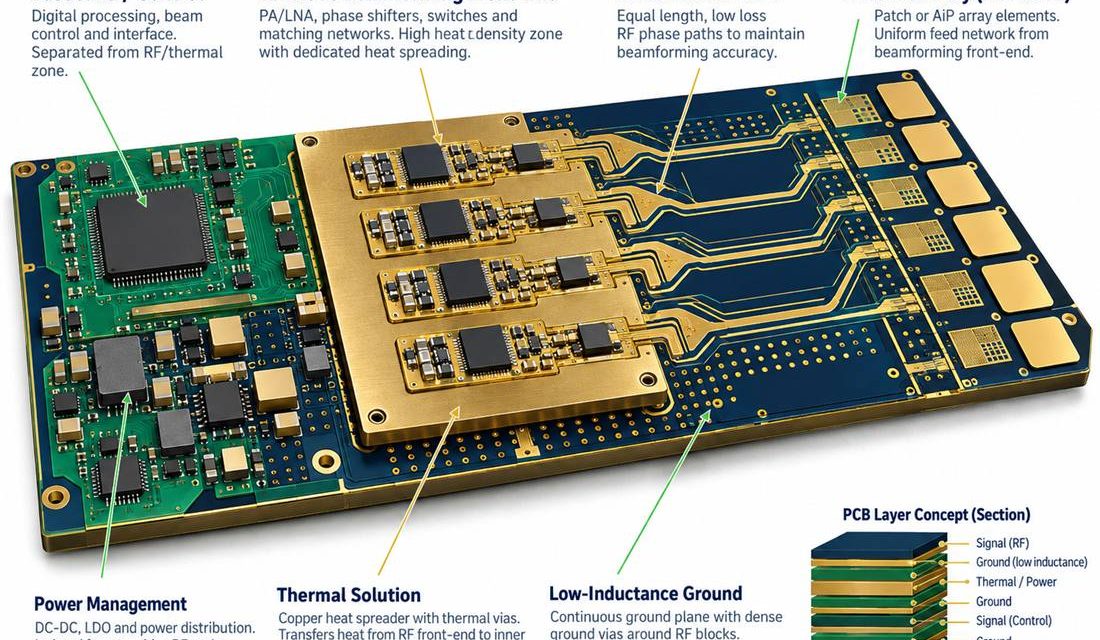
When a team selects 5G mmWave PCB, it is usually solving a specific product constraint rather than buying a label. This article takes a thermal view of millimetre-wave dielectric selection, connector launch geometry, via fences, and phase-matched RF channels. The project pain is a small mechanical offset or ground discontinuity becoming a larger phase, isolation,...
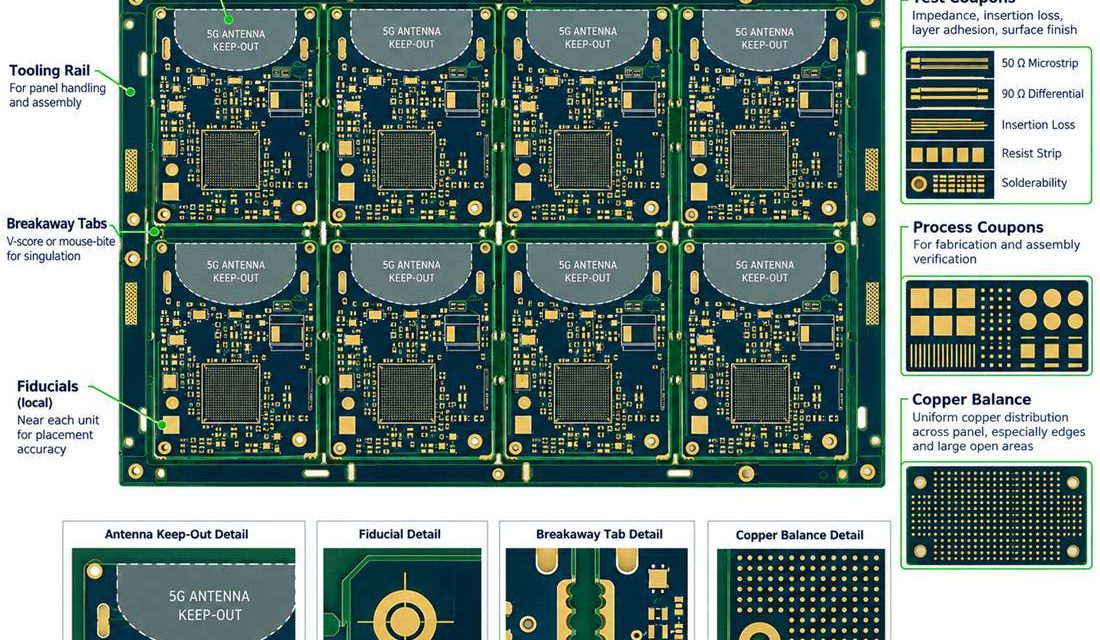
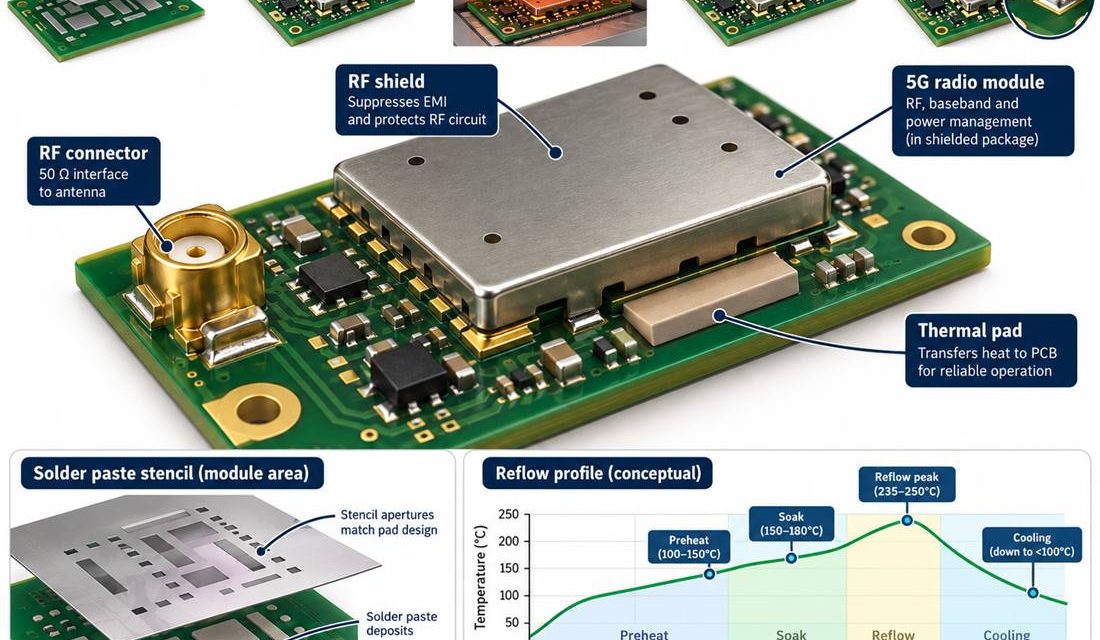
5G PCB DFM Release: 5 Production Checks

When a team selects 5G PCB, it is usually solving a specific product constraint rather than buying a label. This article takes a dfm view of 5G radio-board material choices, copper geometry, controlled references, and power-to-RF partitioning. The project pain is phase drift, insertion-loss budget, thermal coupling from power amplifiers, and a stack -up that...

5G PCB Assembly: 5 Reliability Controls

When a team selects 5G PCB, it is usually solving a specific product constraint rather than buying a label. This article takes a assembly view of 5G radio-board material choices, copper geometry, controlled references, and power-to-RF partitioning. The project pain is phase drift, insertion-loss budget, thermal coupling from power amplifiers, and a stac k-up that...

5G PCB Via Launch: 5 Transition Checks

When a team selects 5G PCB, it is usually solving a specific product constraint rather than buying a label. This article takes a transition view of 5G radio-board material choices, copper geometry, controlled references, and power-to-RF partitioning. The project pain is phase drift, insertion-loss budget, thermal coupling from power amplifiers, and a stack-up that changes...

5G PCB Stack-Up: 5 Geometry Controls

When a team selects 5G PCB, it is usually solving a specific product constraint rather than buying a label. This article takes a stackup view of 5G radio-board material choices, copper geometry, controlled references, and power-to-RF partitioning. The project pain is phase drift, insertion-loss budget, thermal coupling from power amplifiers, and a stack-u p that...

5G PCB Thermal Path: 5 Release Checks

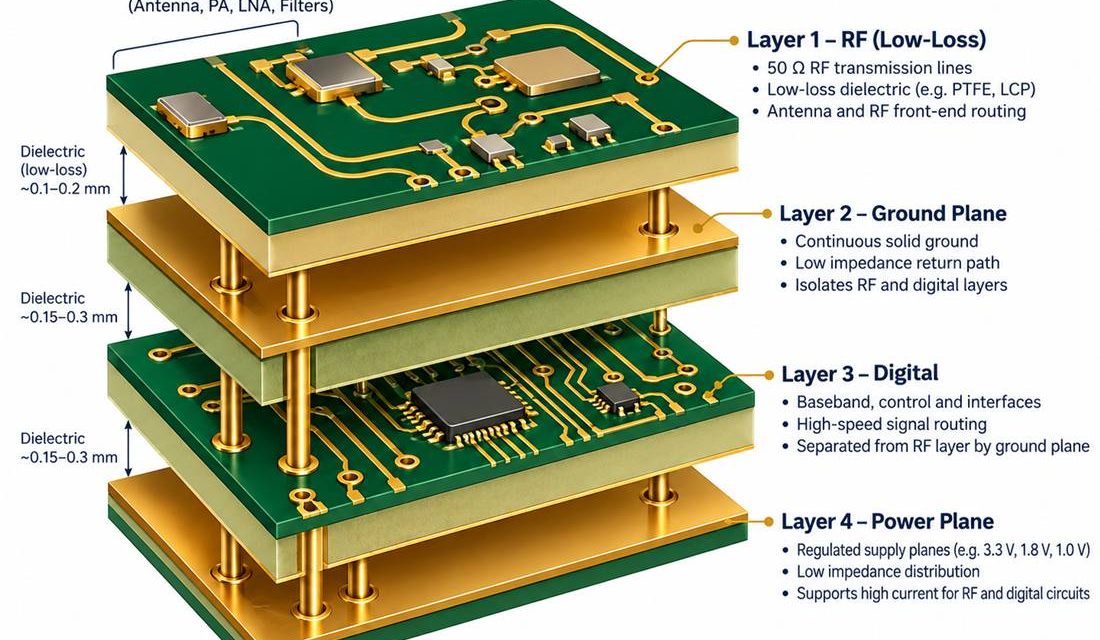
When a team selects 5G PCB, it is usually solving a specific product constraint rather than buying a label. This article takes a thermal view of 5G radio-board material choices, copper geometry, controlled references, and power-to-RF partitioning. The project pain is phase drift, insertion-loss budget, thermal coupling from power amplifiers, and a s tack-up that...

Ceramic PCB Antenna Cavities at mmWave: Controlling Geometry Before the First Build

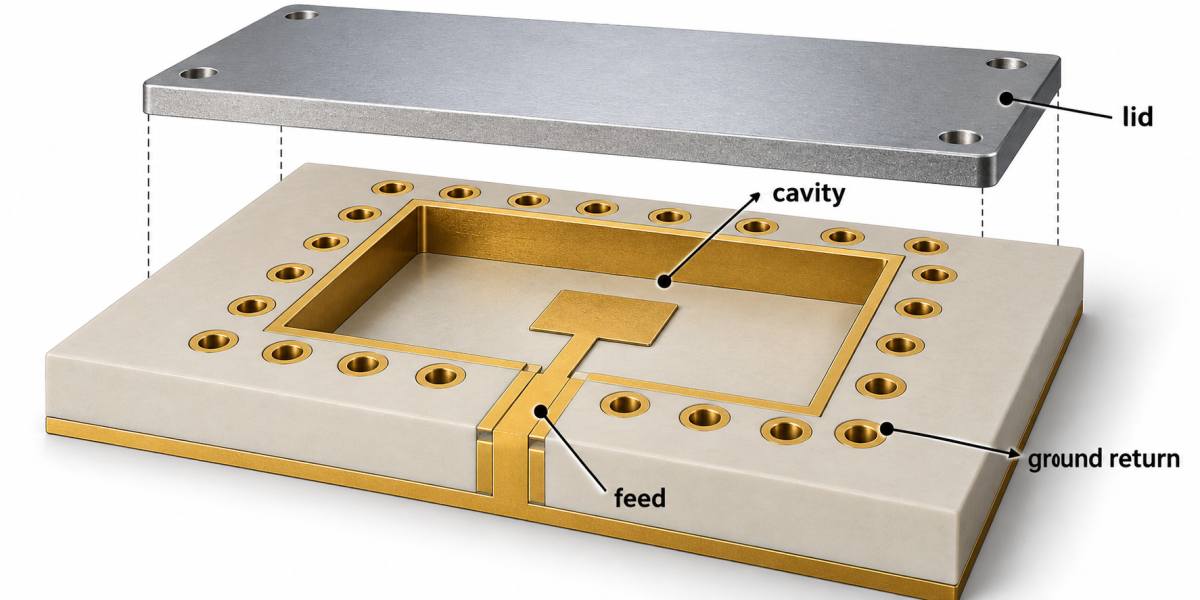
At mmWave frequencies, the cavity, copper edge, connector launch, and antenna clearance become part of the circuit. A Ceramic PCB is often selected for its dimensional stability and integration potential, yet a cavity that is only slightly too deep or a ground fence that is interrupted by a tooling keep-out can move the resonance enough...

RO3003 PCB Phased-Array Feed Network Layout

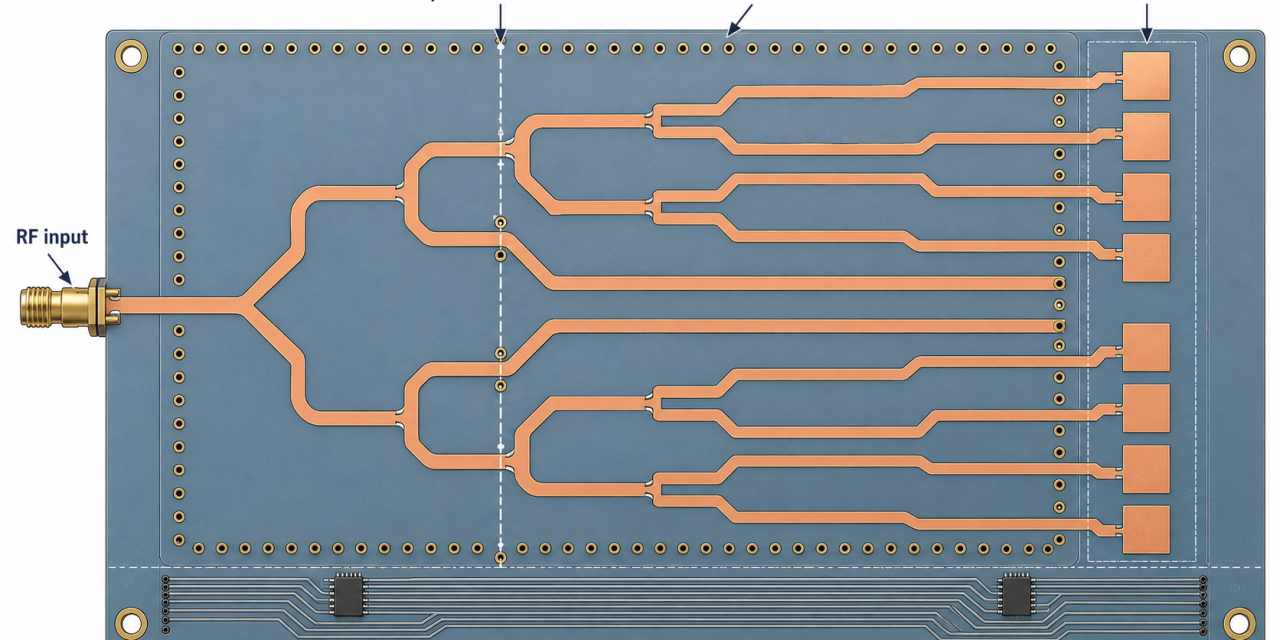
Engineering intent. A phased array can lose beam accuracy when equal-looking traces have different electrical lengths or transitions. This article explains how to plan an RO3003 PCB feed network for a conceptual phased-array module. It separates layout targets from measured production data and does not claim a KKPCB customer case study. RO3003 belongs to the...

TLY-5 PCB: Ultra-Low-Loss RF PCB Solutions for Microwave, 5G, and Radar Applications

Why TLY-5 PCB Technology Is Important Modern wireless communication systems are rapidly advancing toward: Higher operating frequencies Faster wireless transmission Greater communication bandwidth Compact RF module integration Ultra-low-loss microwave performance Applications such as: 5G and mmWave communication Automotive radar systems Satellite communication equipment Aerospace RF electronics Microwave networking infrastructure require PCB materials capable of delivering:...

RF Transceiver PCB: High-Frequency PCB Design Solutions for Wireless Communication Systems

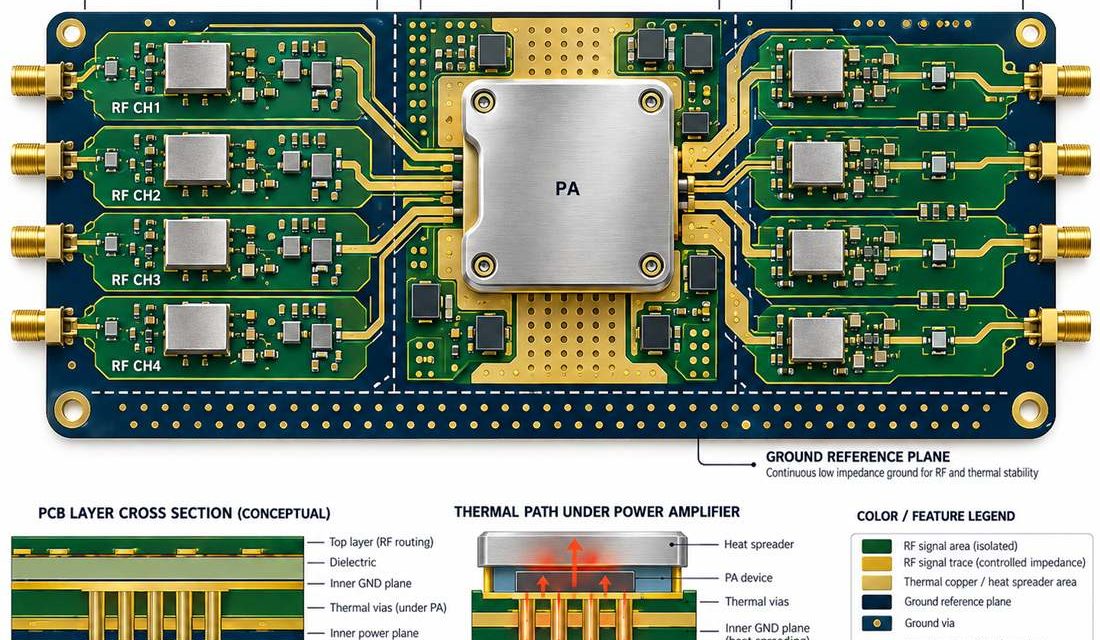
Engineering Context The rapid evolution of wireless communication systems has significantly increased the performance requirements of RF transceiver modules. Modern communication platforms such as 5G base stations, private networks, satellite communication terminals, WiFi 7 devices, IoT gateways, and defense communication systems require PCB solutions capable of supporting high-frequency signal transmission, low insertion loss, precise impedance...