HomeAuthor

kkpcba-辛迪 - KKPCB - Seite 3 von 61

Control of Conductor Etching in PCB Manufacturing: Precision Copper Etching for Fine-Line Circuit Patterns

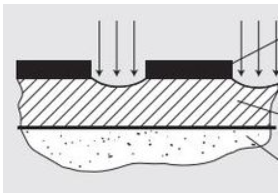
Control of Conductor Etching Process in Printed Circuit Boards Copper etching is one of the most critical steps in printed circuit board (PCB) manufacturing, as it directly determines the accuracy and reliability of conductive circuit patterns. The term “printed circuit board” originates from this process, since etching is the final stage of photolithography used to...
Nine Factors That Cause Signal Integrity Problems on a PCB

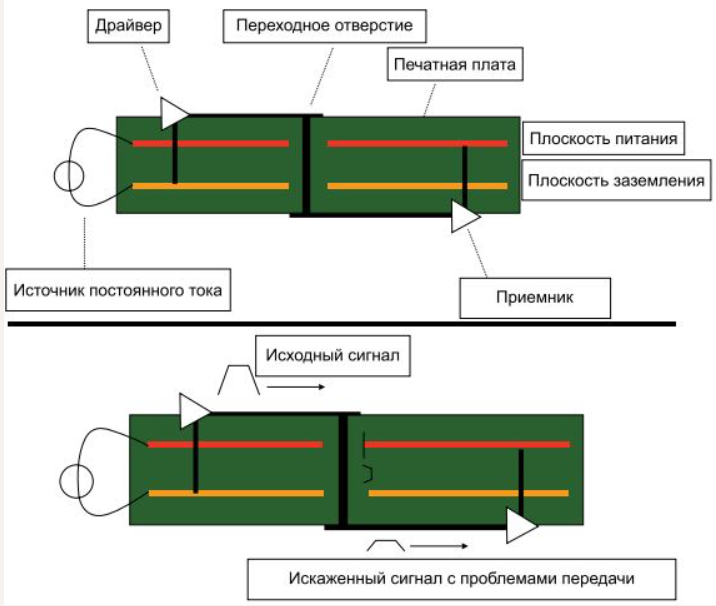
Preventing signal integrity issues on printed circuit boards (PCBs) is a challenging task for modern designers. Successful resolution requires a deep understanding of signal integrity design principles and practices. The introduction of faster logic families has led to simple printed circuit board (PCB) layouts no longer meeting signal integrity requirements. When working on high-speed designs, designers face...

Ten Tips for Designing Automotive PCBs

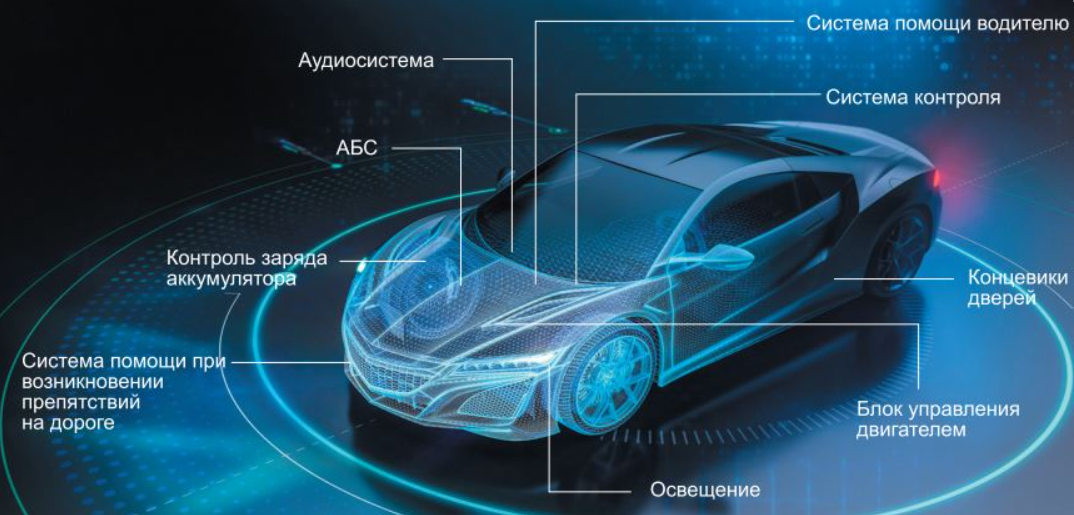
The high level of competition in the modern automotive electronics market encourages manufacturers to constantly introduce new technologies and improve existing features, such as autopilot, automatic parking, emergency braking, keyless start, lane keeping control, and the like. Printed circuit boards (PCBs) are an essential and integral part of any electronic device in a vehicle. Their quality and...

Advantages, Challenges, and Design Considerations in Modern PCB Manufacturing

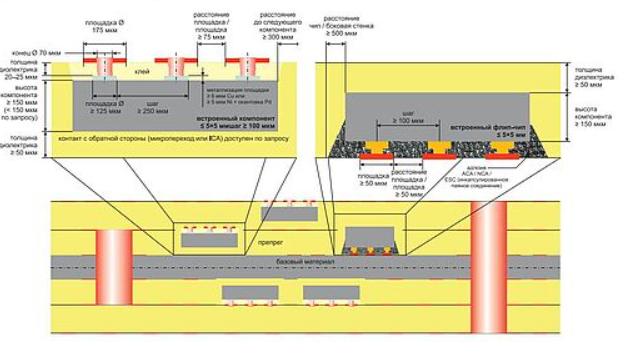
The Evolution of Embedded Component Technology in Modern Electronics Looking back at the evolution of computing—from Apollo workstations and early mainframes to ultrathin laptops and smartphones—the miniaturization of electronic components has always been central to technological progress. As devices become smaller and more powerful, engineers must balance form factor, functionality, PCB materials, signal integrity, power...

Warm-Metallurgy Processing Enables High Ductility and Ultra-High Mobility Films

The Growing Demand for Advanced Electronic Film Materials As modern electronics continue evolving toward: flexible electronics wearable devices transparent displays high-speed semiconductors advanced sensors next-generation communication systems the demand for high-performance conductive and semiconductor films has increased dramatically. Conventional thin-film materials often face major limitations involving: low mechanical flexibility brittle fracture behavior reduced carrier mobility...

Impedance Matching in HDI PCB Design

In modern HDI PCB design (High-Density Interconnect PCB design), achieving precise impedance matching is essential for maintaining signal integrity, minimizing reflection, and ensuring high-speed signal transmission. As data rates increase and circuit density grows, impedance control in HDI PCB layout becomes more complex due to fine trace geometries, microvias, and multilayer stack-ups. Effective impedance matching...

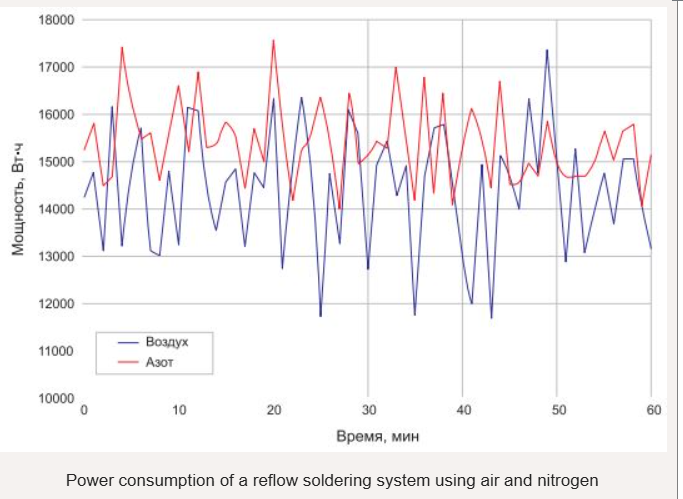
New technological solutions in reflow soldering

Convection soldering systems remain the primary surface-mount method worldwide, primarily due to their versatility, high efficiency, and excellent heat transfer properties. These properties have become paramount today. The advancement of digitalization, growing production volumes, the diversity of electronic components, and, importantly, the production of printed circuit boards worldwide require efficient and easily configurable production equipment....

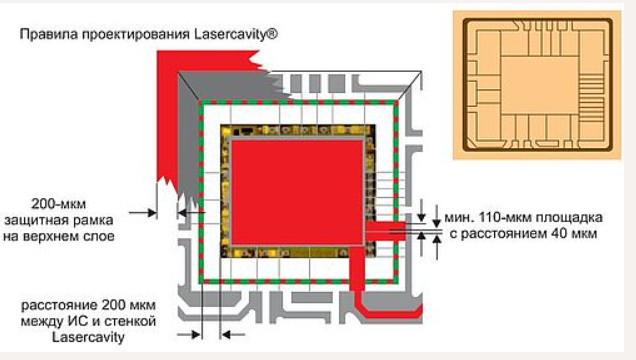
Printed Circuit Boards with Embedded Components: From Concept to Production

Looking back and examining the evolution of computing technology, we see that many products widely used in everyday life today have changed significantly over time. Looking back at Apollo workstations, the first PCs, and mainframes that could occupy entire floors of buildings, it becomes clear that miniaturization has been the foundation of technological progress. Recent...