HomeCategory

PCB Materials | FR-4, High-Frequency, Low-Loss & Heavy Copper - KKPCB

IC Replacement Skills in PCB Circuit Design

Integrated circuits (ICs) are among the most critical components in modern electronic systems. They determine key functions such as signal processing, power management, communication, control, and data conversion. However, during product development or mass production, engineers may encounter situations where the original IC cannot be used due to: Component shortages Product lifecycle changes Cost optimization...
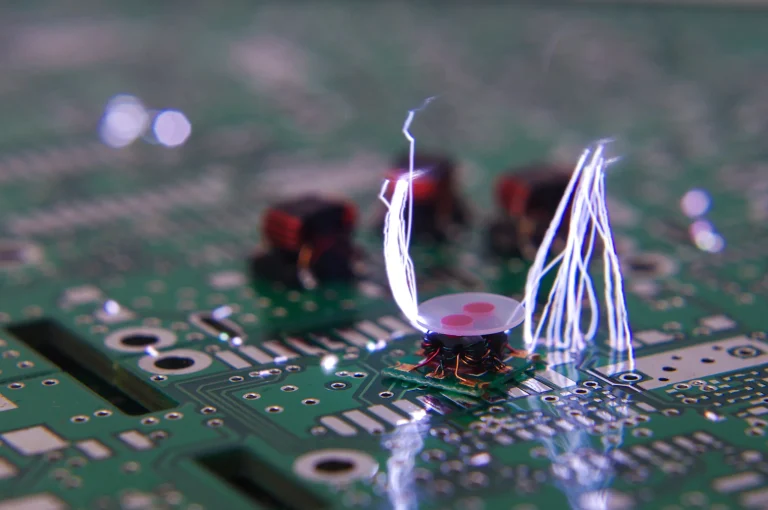
Enhancing Anti-Static ESD Function in PCB Design

With the increasing integration and miniaturization of electronic products, PCB designs are becoming more sensitive to external electrical disturbances. Among various reliability challenges, Electrostatic Discharge (ESD) is one of the most common threats that can affect electronic system performance and product lifetime. Static electricity generated during human contact, manufacturing processes, transportation, or environmental changes can...

PCB Design Wiring Rules: Best Practices for Optimal Performance

PCB wiring is one of the most critical stages in printed circuit board design. A well-planned routing strategy directly affects signal quality, power stability, electromagnetic compatibility, and manufacturing reliability. As electronic products continue developing toward: Higher operating frequencies Smaller form factors Greater circuit density Increased functional integration traditional wiring methods are no longer sufficient for...

How to Reduce Circuit Board Noise

As electronic products continue to become faster, smaller, and more integrated, circuit board noise has become a major challenge in PCB design. High-speed processors, switching power supplies, wireless communication modules, and sensitive analog circuits all generate unwanted electrical noise that can affect system performance. Excessive PCB noise may result in: Signal distortion Communication errors Measurement...

Practical Experience in PCB ESD Design

In modern electronics, PCB ESD design (Electrostatic Discharge design) is critical for ensuring product reliability and compliance with international standards. As circuits become more sensitive and densely integrated, improper ESD protection in PCB design can lead to catastrophic failures, latent defects, and reduced product lifespan. Drawing from practical engineering experience, this guide explores real-world PCB...

Common Standards in Printed Circuit Boards (PCB)

Printed Circuit Boards (PCBs) are the foundation of modern electronic systems, supporting electrical connections, mechanical structures, and signal transmission between electronic components. As PCB applications continue expanding into industries such as automotive electronics, aerospace, medical equipment, telecommunications, industrial control, and consumer electronics, consistent quality and reliability have become increasingly important. To ensure PCB performance, manufacturability,...

Guide to Restoring Circuit Diagrams from Physical PCBs

In electronic product development, maintenance, and redesign projects, engineers may encounter situations where the original circuit documents are unavailable or incomplete. A common solution is to restore the circuit diagram from an existing physical PCB. PCB reverse engineering, also known as schematic reconstruction, involves analyzing the physical circuit board structure, identifying components and connections, and...

Common Problems and Solutions for Substrates in PCB Design

In modern PCB design, the choice and handling of substrate materials play a critical role in determining the overall performance, reliability, and manufacturability of the circuit board. Substrate-related issues can lead to serious defects such as poor solderability, delamination, signal loss, and even complete product failure. This article outlines the most common substrate problems encountered...

PCB Interconnection Methods

PCB Interconnection Methods PCB interconnection methods are essential techniques used to electrically and mechanically connect printed circuit boards (PCBs) within electronic systems. Choosing the right PCB interconnection method directly impacts signal integrity, reliability, mechanical strength, assembly cost, and overall system performance — especially in complex devices such as smartphones, automotive electronics, industrial control systems, 5G...

PCB Manufacturing Packaging Process

PCB manufacturing is a complex process involving material preparation, circuit fabrication, drilling, plating, surface finishing, inspection, and electrical testing. However, even after a PCB has successfully passed manufacturing inspections, improper packaging can still affect product quality during storage and transportation. PCB packaging is not simply a final delivery step. It is an important quality control...