KKPCB Blog – PCB & PCBA Insights, News, and Tips - KKPCB
 

Blog

Explore the KKPCB Blog for the latest PCB manufacturing and assembly news, industry insights, expert tips, and technology trends, helping you stay informed and optimize your electronics projects.
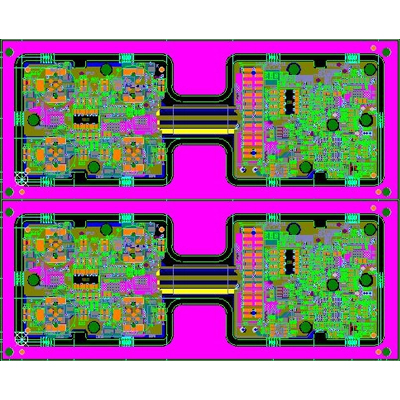
8 Best Tips and Key Considerations for Designing High-Voltage PCBs

Designing a high-voltage PCBs requires careful planning, adherence to specific guidelines, and a keen eye for safety. Whether you’re working on industrial equipment, power electronics, or consumer devices, the following tips and considerations will ensure you create efficient and safe high-voltage PCB designs. 1. Routing Guidelines for High-Voltage PCBs Proper routing is crucial for high-voltage PCB...

How to Remove Flux from PCB?

Manufacturers use flux to solder components on PCBs. Depending on the PCB components, flux also varies and is used to fix them on the board. It ensures uninterrupted and strong electrical connections between devices. However, it is crucial to remove excess flux so as not to blur signal traces or damage connections. In this article,...

What are the advantages of multi-layer printed circuit board assembly?

One of the most important things in the electronics industry is the PCB. They are used in many industries such as aerospace, consumer electronics, automotive, etc. However, many times, businesses cannot decide whether they should choose single-layer or multi-layer printed circuit board assembly. Both types of PCB assembly services offer unique features to businesses. Therefore, it is crucial...

Optimizing Thermostat PCB Design: Ensuring Efficient and Reliable Temperature Control Performance

In modern HVAC systems, smart homes, industrial automation, and building management, thermostats play a critical role in precise temperature regulation, energy efficiency, and user comfort. At the heart of every advanced thermostat lies a well-optimized PCB (Printed Circuit Board) that integrates sensors, microcontrollers, power management, wireless connectivity, and user interface elements. Poor PCB design can...

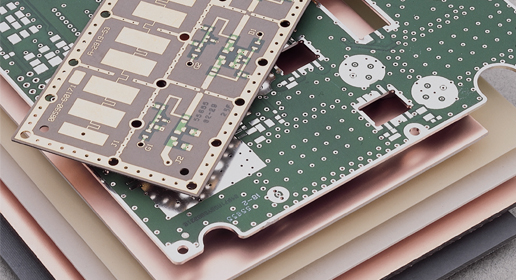
Single-layer FPC, double-layer FPC and multi-layer FPC in PCB manufacturing

Differences between single-layer FPC, double-layer FPC and multi-layer FPC Multi-layer FPC Multi-layer FPC is to stack three or more layers of single-sided or double-sided flexible circuits together, and make metallized holes through drilling, electroplating and other processes to achieve conductive paths between different layers, so no complex welding process is required. Multi-layer circuits have great functional...

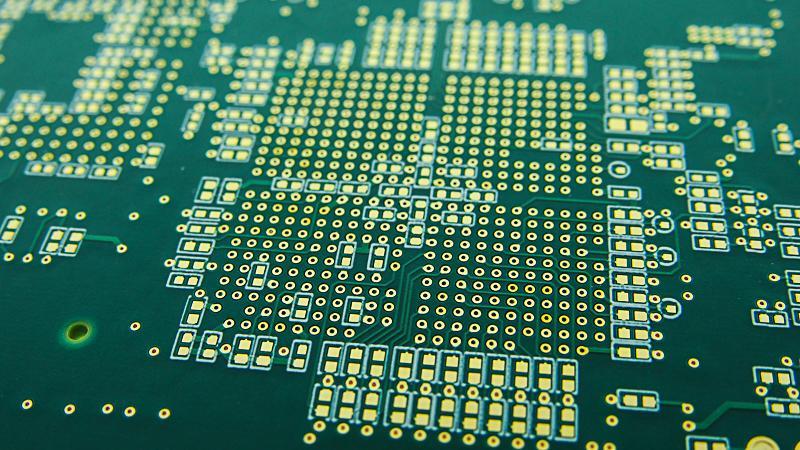
How Multilayer PCB Assembly is Made, Advantages and Applications

Printed Circuit Boards (PCBs) are valuable electronic components that help improve the efficiency and performance of machines. Therefore, regardless of size, number of production units and purpose, vigilance must be maintained in their manufacturing process. However, what needs to be considered is the use of different types of PCBs. Multilayer PCBs account for more than 50% of the...

What is Surface Mount SMT PCB Assembly?

Surface Mount Technology (SMT), SMT Components, and SMT Equipment are all terms for this technology. Almost all commercially produced equipment in the electronics assembly industry today uses Surface Mount Technology (SMT), mainly because of its advantages in the PCB manufacturing process and the fact that a large number of electronic components can fit into a...

Pros and Cons of Through-Hole PCB Assembly vs. SMT PCB Assembly

In recent years, electronic products have become increasingly complex and integrated into people’s daily lives. However, there are still two popular methods for soldering electronic components together to build circuits: Surface Mount Technology (SMT) for PCB Assembly Through-Hole (PTH) PCB Assembly Both SMT PCB assembly and PTH assembly have unique advantages and disadvantages. Understanding these differences can...