kkpcba-Cindy - KKPCB - Page 45 of 66
 
HomeAuthor

kkpcba-Cindy - KKPCB - Page 45 of 66

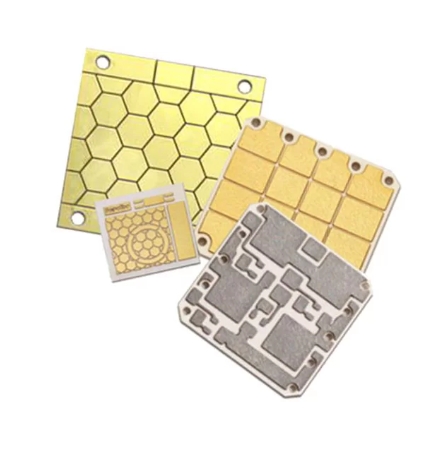
What is Ceramic PCB and Substrate or Alumina PCB?

Understanding Ceramic PCB Technology As modern electronics continue evolving toward higher power density, higher frequency, and improved thermal performance, traditional FR4 PCB materials are no longer sufficient for many advanced applications. This has led to the rapid adoption of Ceramic PCB technology, especially Alumina PCB substrates, in industries requiring: Excellent heat dissipation High electrical insulation...

High-Precision PCB Manufacturing: How to Optimize Data Acquisition and Signal Processing Capabilities for Control Boards

In modern electronic devices, the performance of control boards directly impacts the reliability and accuracy of the entire system. Whether in industrial automation, medical devices, or consumer electronics, data acquisition and signal processing boards (DAQ and Signal Processing PCBs) play a crucial role. To ensure that the system can efficiently and accurately process signals from...

RO4000 Laminates RO4003C and RO4350B

Rogers RO4000® series laminates, including RO4003C™ and RO4350B™, are high-performance materials designed for RF and microwave applications. These laminates provide a cost-effective alternative to PTFE-based materials while delivering superior electrical and mechanical properties, making them ideal for high-frequency circuits in telecommunications, automotive radar, and aerospace applications. Key Features and Benefits Feature RO4003C™ RO4350B™ Dielectric Constant...

Infrared Thermal Imaging in the Electronics Industry: Optimizing Thermal Management and Enhancing Performance

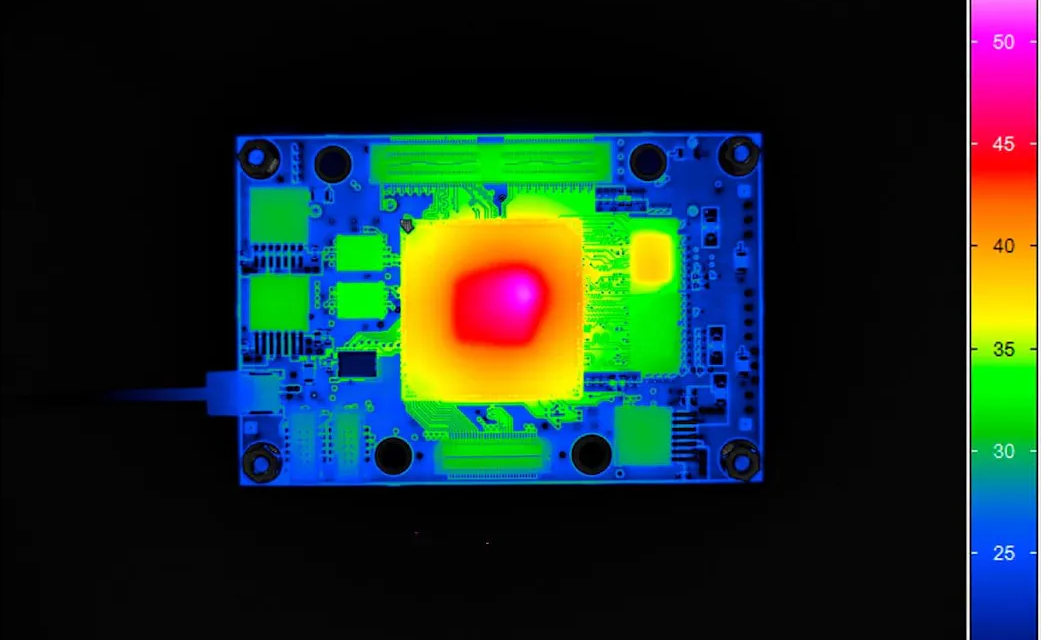
In modern electronics manufacturing and PCB assembly, effective thermal management is critical for ensuring system performance, reliability, and longevity. As electronic devices become more compact and powerful, heat generation increases significantly, making temperature control a key engineering challenge. Infrared thermal imaging technology has emerged as a powerful tool for analyzing and optimizing thermal behavior in...

Issues to Consider in the Production of High-Frequency Microwave Printed Circuit Boards (PCBs)

With the continuous development of high-frequency electronic devices, especially in wireless networks and satellite communications, information products are becoming faster and higher in frequency, and communication products are moving towards large capacity and high-speed wireless transmission for voice, video, and data standardization. As a result, the next generation of products requires high-frequency substrates. The process...

What is the difference between immersion gold and gold plating in PCB?

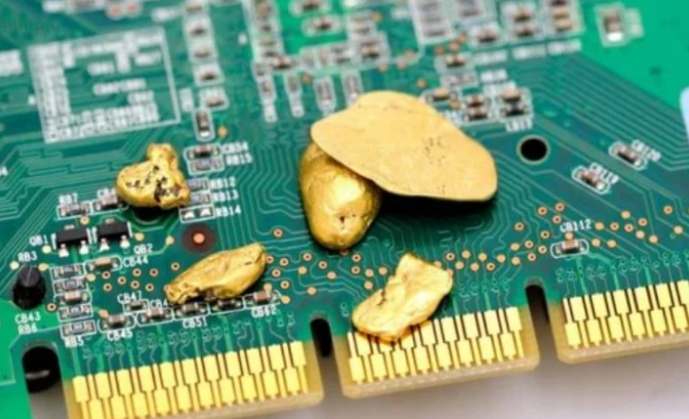
Surface finishes in PCBs are vital for ensuring solderability, electrical conductivity, and corrosion resistance. They help components bond securely to the board, ensure smooth signal flow, and protect the PCB from environmental damage. Without a proper surface finish, a PCB may not function correctly or could wear out faster. Immersion Gold (ENIG) and Gold Plating are two popular gold...

As we step into 2025, the electronics manufacturing industry is poised for transformative changes driven by technological advancements, shifting consumer demands, and global economic factors. At KKPCB, we are committed to staying at the forefront of these developments to deliver cutting-edge solutions to our clients. Here’s an overview of the key trends set to reshape the...

To develop and realize Hybrid PCBs for space applications through indigenous vendors

A Hybrid Printed Circuit Board (PCB) is a multilayer PCB that combines dissimilar materials to optimize electrical performance, improve system reliability, and enhance high-frequency RF applications. These PCBs utilize materials with significantly different critical properties compared to traditional multilayer PCBs. Hybrid PCBs may incorporate a mix of FR-4 materials with high-frequency PTFE materials, or use a combination of various...

PCB Design For Military & Aerospace Applications

Military and aerospace PCBs must adhere to intensely high standards to ensure their safety and functionality in the extreme conditions they’re used in. For this reason, PCB design for military and aerospace applications requires incredibly stringent guidelines with built in redundancy, extra safety, and stringent tolerances, minimizing risk of failure. General PCB Design Tips for Military and Aerospace Applications...