SMT PCB Assembly - KKPCB
 
HomeTag

SMT PCB Assembly - KKPCB

What is Surface Mount SMT PCB Assembly?

Surface Mount Technology (SMT), SMT Components, and SMT Equipment are all terms for this technology. Almost all commercially produced equipment in the electronics assembly industry today uses Surface Mount Technology (SMT), mainly because of its advantages in the PCB manufacturing process and the fact that a large number of electronic components can fit into a...

Pros and Cons of Through-Hole PCB Assembly vs. SMT PCB Assembly

Introduction: Choosing the Right PCB Assembly Method In modern electronics manufacturing, selecting the right PCB assembly method is critical for achieving optimal performance, cost efficiency, and product reliability. The two most common methods—Through-Hole PCB Assembly (THT) and SMT PCB Assembly (Surface Mount Technology)—each offer distinct advantages and limitations. Understanding the pros and cons of Through-Hole...

Advantages and Disadvantages of Surface Mount Technology (SMT)

The Importance of SMT in Modern PCB Assembly In modern electronics manufacturing, Surface Mount Technology (SMT) has become the dominant method for PCB assembly. By enabling compact designs and high-speed production, SMT PCB assembly plays a critical role in industries such as consumer electronics, automotive systems, and communication technology. However, like any PCB assembly technology,...

Overview of SMD Components and Their Characteristics

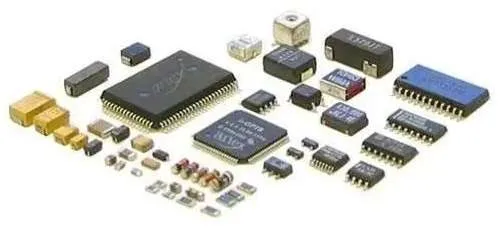
Introduction: The Importance of SMD Components in Modern Electronics In today’s electronics manufacturing industry, SMD components (Surface Mount Device components) are the foundation of modern SMT PCB assembly. As electronic products move toward miniaturization, high performance, and high-density integration, SMD components have become essential in nearly all PCB assembly processes. Understanding the characteristics of SMD...

PCB Assembly for Industrial Controls and How to Make Industrial PCBs?

Industrial PCB Assembly as the Backbone of Automation Systems In modern industrial control systems, PCB assembly (PCBA) is the core foundation that ensures reliable operation of automation equipment, PLC systems, motor drives, robotics controllers, and industrial IoT devices. Compared with consumer electronics, industrial PCBs must withstand harsh environments, including high temperature, electrical noise (EMI), vibration,...

SMT PCB Assembly: Advantages and Challenges of Surface Mount Technology

Surface Mount Technology (SMT) has transformed electronics manufacturing, becoming the preferred method for assembling printed circuit boards (PCBs). By allowing components to be directly mounted on the PCB surface without requiring wires or leads through holes, SMT offers unparalleled advantages in miniaturization, automation, and reliability. However, like any technology, SMT has its challenges. This guide explores the advantages,...

Advanced PCB Footprint Generator: Key to Efficient PCB Design

1. Introduction: Why PCB Footprint Accuracy Matters in Modern Electronics In modern PCB design and electronic product development, accuracy at the earliest design stage directly determines manufacturing success, cost efficiency, and product reliability. One of the most critical elements in PCB layout design is the PCB footprint, which defines the physical land pattern for electronic...

PLC Programmer PCBA Solution for Industrial Use

The Role of PLC Programmer PCBA in Industrial Automation A PLC Programmer PCBA (Programmable Logic Controller Programmer Printed Circuit Board Assembly) is a critical hardware platform used for industrial automation programming, debugging, monitoring, and control system configuration. It acts as the bridge between engineers and PLC systems, enabling reliable communication, firmware loading, and real-time diagnostics....