
Introduction: The Importance of SMD Components in Modern Electronics
In today’s electronics manufacturing industry, SMD components (Surface Mount Device components) are the foundation of modern SMT PCB assembly. As electronic products move toward miniaturization, high performance, and high-density integration, SMD components have become essential in nearly all PCB assembly processes.
Understanding the characteristics of SMD components is crucial for optimizing PCB design, improving assembly efficiency, and ensuring long-term product reliability.
What Are SMD Components?
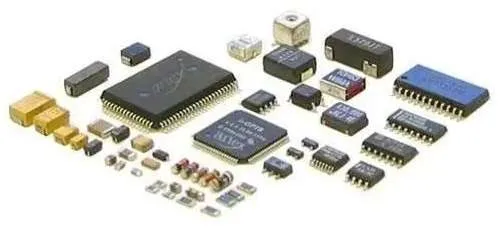
SMD components are electronic components designed to be mounted directly onto the surface of a printed circuit board (PCB) without the need for through-holes. These components are widely used in SMT (Surface Mount Technology), enabling faster and more efficient PCB assembly.
Common types of SMD components include:
- SMD resistors
- SMD capacitors
- SMD inductors
- SMD diodes and transistors
- Integrated circuits (ICs)
The compact size of SMD components allows for higher component density and more advanced PCB layouts.
Key Characteristics of SMD Components
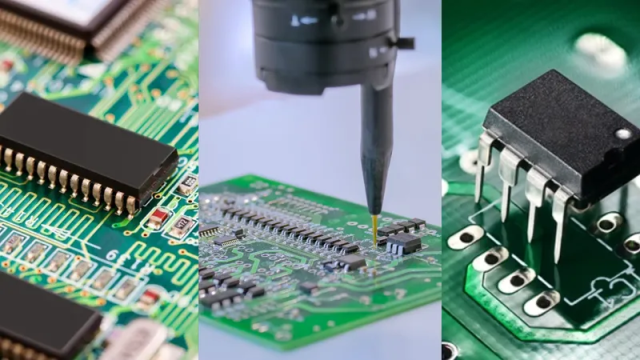
Understanding the key characteristics of SMD components helps engineers and buyers make better decisions in PCB assembly projects:
1. Compact Size and High Density
One of the most important features of SMD components is their small size, which enables:
- High component density
- Compact PCB design
- Reduced overall product size
This is critical for applications such as smartphones, IoT devices, and wearable electronics.
2. High Assembly Efficiency
SMD components are designed for automated SMT PCB assembly, allowing:
- High-speed pick-and-place processes
- Reduced manual labor
- Consistent assembly quality
This significantly improves production efficiency in large-scale manufacturing.
3. Improved Electrical Performance
Compared to traditional components, SMD components offer:
- Shorter signal paths
- Lower parasitic inductance and capacitance
- Better high-frequency performance
These advantages are essential for high-speed PCB designs and RF applications.
4. Lower Manufacturing Cost (at Scale)
Although initial setup may be higher, SMD components reduce overall cost in:
- Mass production
- Automated PCB assembly lines
- Material and space utilization
This makes SMT PCB assembly highly cost-effective for volume production.
5. Lightweight and Suitable for Compact Devices
The lightweight nature of SMD components makes them ideal for:
- Portable electronics
- Aerospace and automotive applications
- Compact embedded systems
Common Types of SMD Packages
Different SMD component packages are designed for various applications:
- Chip packages (0402, 0603, 0805) – resistors and capacitors
- SOT (Small Outline Transistor) – transistors and diodes
- QFP (Quad Flat Package) – microcontrollers and ICs
- BGA (Ball Grid Array) – high-performance processors
Each SMD package type affects thermal performance, assembly complexity, and PCB layout design.
Advantages of SMD Components in PCB Assembly
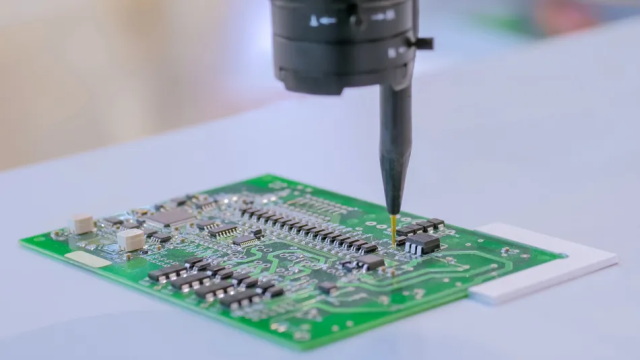
Using SMD components in PCB assembly provides several benefits:
- Enables high-density PCB design
- Supports automated SMT production
- Improves signal integrity in high-speed circuits
- Reduces PCB size and weight
- Enhances overall manufacturing efficiency
These advantages make SMD components the standard choice in modern electronics manufacturing.
Limitations of SMD Components
Despite their advantages, SMD components also have some limitations:
- More difficult manual soldering and rework
- Lower mechanical strength compared to through-hole components
- Sensitive to thermal stress during soldering
- Requires precise PCB design and assembly control
Understanding these limitations helps avoid potential issues in SMT PCB assembly.
Applications of SMD Components
SMD components are widely used across industries:
- Consumer electronics (smartphones, laptops)
- IoT devices and smart systems
- Automotive electronics
- Medical equipment
- Telecommunication systems
Their versatility makes them indispensable in modern electronic product design.
Design Considerations for Using SMD Components
To fully leverage the benefits of SMD components, consider:
- Proper PCB layout design for component spacing
- Accurate solder paste printing
- Thermal management during reflow soldering
- Reliable inspection methods (AOI, X-ray)
- Collaboration with experienced PCB assembly manufacturers
These considerations ensure high-quality SMT PCB assembly and long-term reliability.
Conclusion
SMD components are the backbone of modern SMT PCB assembly, enabling compact, high-performance, and cost-efficient electronic products. By understanding the characteristics of SMD components, engineers and manufacturers can optimize PCB design, improve assembly processes, and deliver reliable products across a wide range of applications.
As electronics continue to evolve, the role of SMD components in PCB manufacturing will only become more critical.
