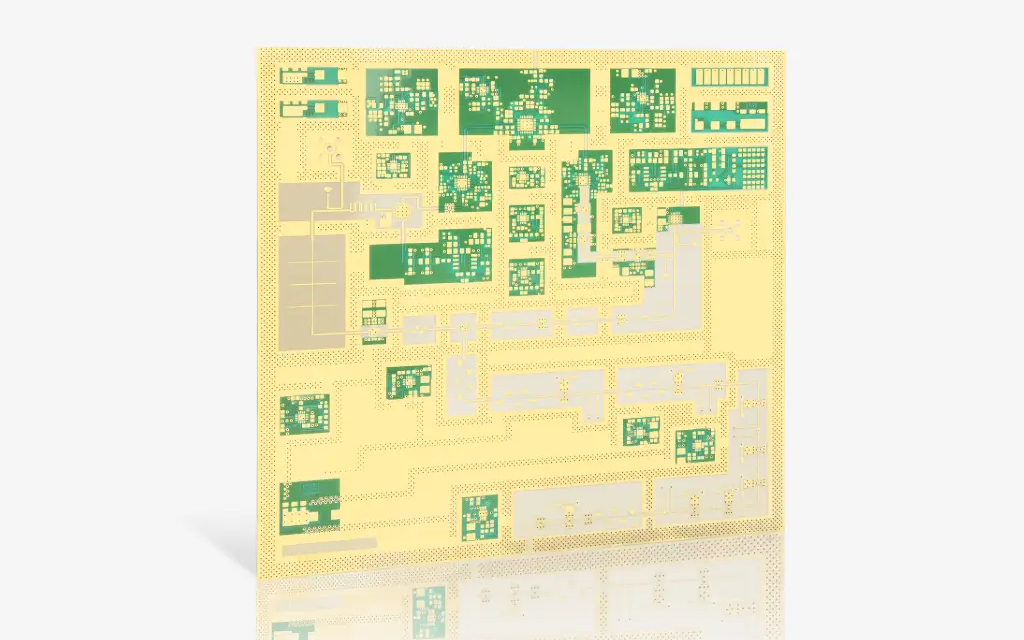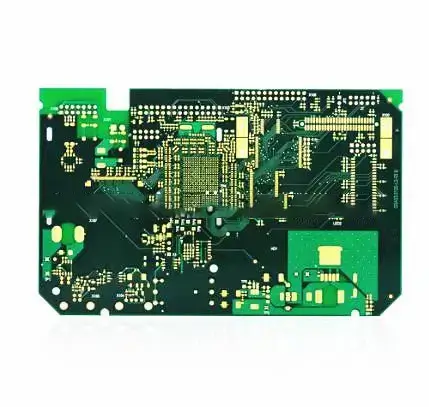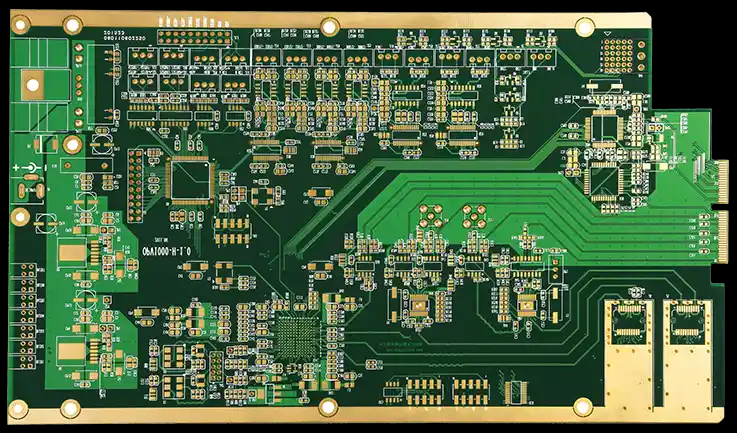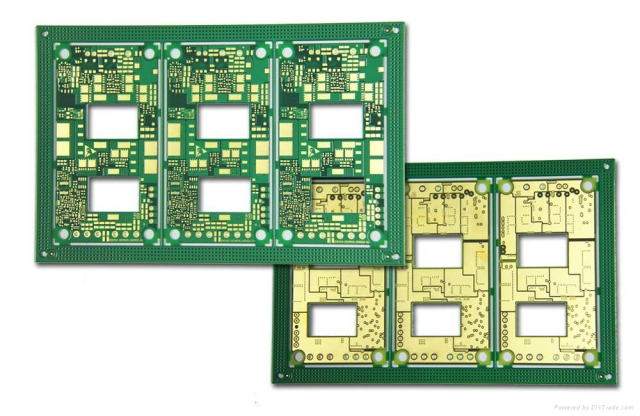
microwave transmission PCB - KKPCB
 
HomeTag

microwave transmission PCB - KKPCB

RO4350B PCB: High-Frequency Low-Loss PCB Solutions for RF, Microwave, and 5G Applications

1. Why RO4350B PCB Materials Are Widely Used As modern electronic systems continue evolving toward: Higher operating frequencies Faster wireless communication Greater bandwidth demands Compact RF module integration the need for advanced high-frequency PCB materials has rapidly increased. Applications such as: 5G communication infrastructure Automotive radar systems RF transceiver modules Satellite communication equipment Aerospace microwave...
Low Dissipation Factor PCB: Advanced Low-Loss PCB Solutions for High-Frequency and High-Speed Applications

1.  Why Low Dissipation Factor PCB Materials Matter Modern electronic systems continue evolving toward: Higher operating frequencies Faster data transmission rates Greater bandwidth demands More compact RF integration Applications such as: 5G communication infrastructure AI servers and data centers Automotive radar systems Satellite communication modules RF and microwave electronics require PCB materials capable of maintaining:...

Multilayer HF PCB: High-Frequency Multilayer PCB Solutions for RF and Microwave Applications

1.Why Multilayer HF PCB Technology Is Essential Modern electronic systems continue advancing toward: Higher operating frequencies Faster signal transmission Greater integration density Compact RF module architectures High-speed wireless communication Applications such as: 5G and 6G communication systems Automotive radar modules Aerospace RF electronics Satellite communication equipment AI networking infrastructure require PCB solutions capable of delivering:...

RF-35 PCB: High-Performance Low-Loss RF PCB Material for Microwave and Wireless Communication Systems

1.Why RF-35 PCB Materials Are Widely Used in RF Electronics Modern RF and microwave systems continue advancing toward: Higher operating frequencies Faster wireless communication Lower signal attenuation requirements Higher integration density Applications such as: 5G wireless infrastructure Automotive radar systems Satellite communication equipment RF transceiver modules Aerospace microwave electronics require PCB materials capable of delivering:...

RO4835 PCB: Low-Loss High-Frequency PCB Material for RF, Automotive Radar, and 5G Applications

1. Why RO4835 PCB Materials Are Important in RF Electronics Modern wireless communication and radar systems require PCB materials capable of supporting: High-frequency signal transmission Low insertion loss Stable impedance performance Reliable thermal stability Applications such as: Automotive radar systems 5G communication infrastructure RF transceiver modules Aerospace communication equipment High-speed wireless networking systems demand advanced...

RF-35 PCB: High-Frequency Low-Loss PCB Material for RF and Microwave Applications

1.Why RF-35 PCB Materials Matter in High-Frequency Electronics Modern RF and microwave systems demand increasingly higher performance in: Signal transmission speed Frequency stability Low insertion loss Controlled impedance accuracy Applications such as: 5G communication infrastructure Automotive radar systems RF transceiver modules Aerospace communication equipment Microwave antennas require advanced PCB materials capable of maintaining stable electrical...

Duroid 6010 PCB: High Dielectric Constant PCB Material for RF, Microwave, and Radar Applications

Why Duroid 6010 PCB Is Important in High-Frequency Electronics Modern RF and microwave systems continue evolving toward: Higher operating frequencies Greater integration density Smaller RF module sizes More complex radar architectures These advanced systems require PCB materials capable of delivering: Stable dielectric performance Low RF signal loss Reliable thermal stability Precise impedance control In applications...

TLY-5 PCB: High-Frequency Low-Loss PCB Material for RF and Microwave Applications

1.Why TLY-5 PCB Materials Are Important in RF Electronics As RF and microwave systems continue evolving toward: Higher operating frequencies Faster wireless communication Lower signal loss requirements Higher signal integrity standards traditional FR4 PCB materials often cannot meet the electrical performance demands of advanced RF applications. Modern systems such as: 5G communication infrastructure RF power...