HomeTag

MCPCB - KKPCB

Thermal Management PCB: Advanced Heat Dissipation Solutions for High-Power Electronics

A Thermal Management PCB is a specialized printed circuit board designed to control, spread, and dissipate heat generated by electronic components. As modern electronic devices operate at higher power levels, higher frequencies, and increased component density, effective thermal management has become a critical factor in ensuring performance stability, reliability, and product lifespan. By integrating advanced...
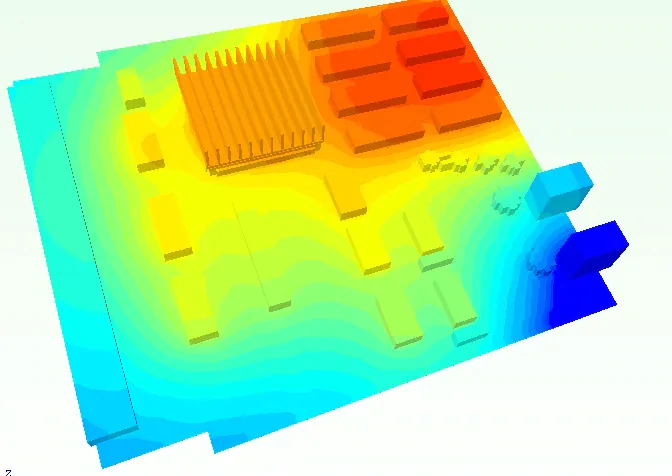
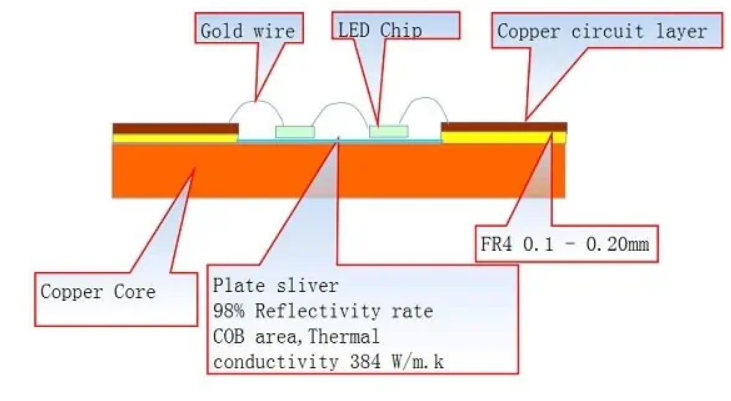
Thermal Management PCB: Efficient Heat Dissipation Solutions for High-Power Electronics

Engineering Context As electronic systems continue to increase in power density, thermal management has become one of the most critical challenges in PCB engineering. Modern applications including electric vehicles, industrial automation, renewable energy systems, power converters, motor drives, LED systems, aerospace electronics, and high-performance computing require PCB solutions capable of efficiently transferring heat away from...

Differences in Metal Core PCB Materials: Aluminum Core vs Copper Core vs Iron Alloy Core MCPCBs

 What Is a Metal Core PCB (MCPCB)? A Metal Core Printed Circuit Board (MCPCB) uses a metal substrate—typically aluminum, copper, or iron alloy—as the core layer instead of standard FR4 dielectric material. Thanks to the high thermal conductivity of metal substrates, MCPCBs can efficiently dissipate heat generated by high-power electronic components, making them essential for:...

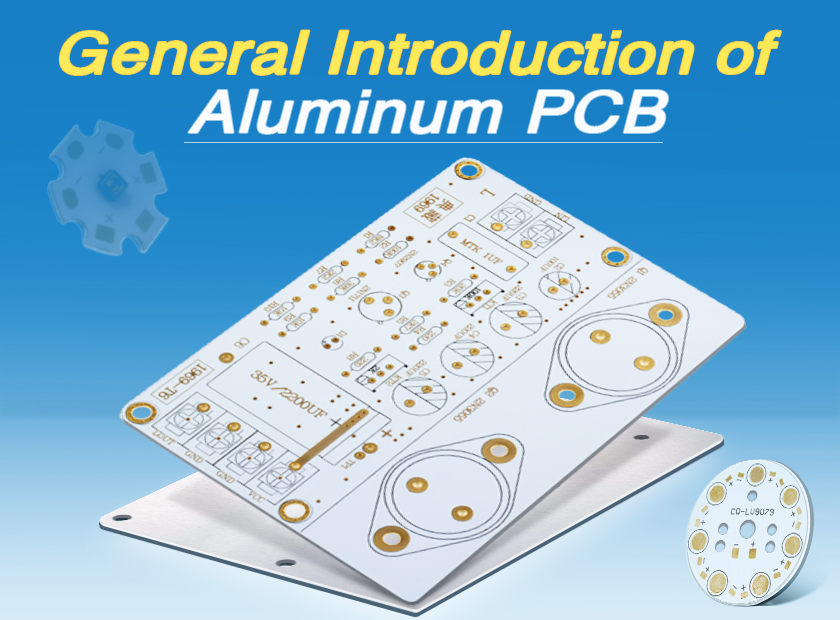
Aluminum PCB vs. Standard PCB: A Complete Guide to Finding the Right One for You!

1. Introduction: Why PCB Material Selection Matters In modern PCB design and manufacturing, material selection plays a decisive role in product performance, especially in applications involving high power density, heat dissipation, and reliability requirements. Two of the most commonly compared options are: Aluminum PCB (Metal Core PCB, MCPCB) Standard FR4 PCB Each type has unique...

Aluminum PCB vs. FR4 PCB: Cost, Materials, and Difference

Selecting the right PCB substrate material is one of the most important decisions in electronic product development. The PCB material directly affects: Thermal performance Electrical characteristics Mechanical strength Manufacturing cost Product reliability Among various PCB substrate options, aluminum PCBs and FR4 PCBs are two of the most widely used solutions. While both are common in...

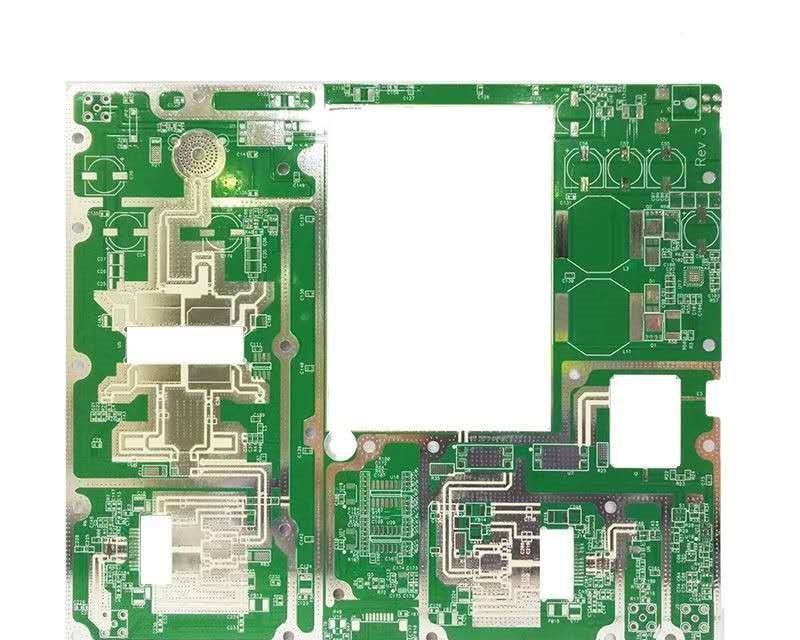
Understand the performance and applications of Rogers 6010 and aluminum based high-frequency PCB

Introduction: Choosing the Right High-Frequency PCB Material In modern high-frequency PCB design, material selection plays a decisive role in determining signal integrity, thermal performance, and overall system reliability. Among the most widely used materials, Rogers 6010 and aluminum-based high-frequency PCB solutions stand out for their unique advantages in RF applications, microwave circuits, and high-power electronic...

Aluminum PCB vs. FR4 PCB: A Powerful Comparison of Cost, Materials, and Performance

Engineering Context / Abstract The Aluminum PCB vs. FR4 PCB decision is not simply a choice between an expensive board and a low-cost board. It is a system-level comparison involving heat flow, electrical insulation, routing density, mechanical structure, assembly method, product lifetime, and total cost. An aluminum PCB is normally selected when heat must move...