HomeCategory

Advanced Engineering Technologies for PCB & PCBA Solutions - KKPCB

Radar PCB Design: Materials, High-Frequency Layout Techniques & Applications

Radar PCB: Design Principles, Materials, Manufacturing Challenges & Key Applications High-speed PCBs stand at the top of modern circuit-board technology, spanning digital high-speed, mixed-signal, and RF/microwave categories. Among these, RF and microwave PCBs operate at the highest frequencies, making them essential for advanced applications—especially RADAR (Radio Detection and Ranging). Because Radar PCBs frequently host a...
RF PCB Design for 5G Devices: Antenna Integration, Impedance Control & High-Frequency Layout Guide

RF PCB Design for 5G Devices: High-Frequency Architecture, Antenna Integration & Engineering Best Practices Designing RF PCBs for 5G hardware is far more than simple high-speed layout—it requires a deep command of electromagnetic behavior, antenna engineering, high-frequency signal routing, impedance control, and noise isolation.In next-generation wireless systems, the antenna is no longer a passive component—it...

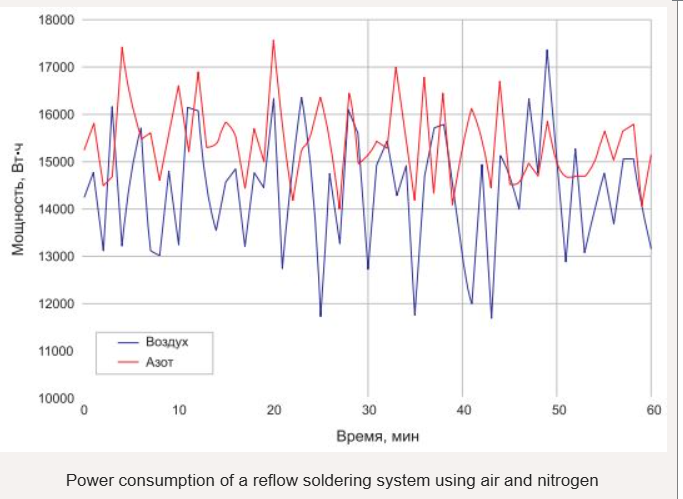
New technological solutions in reflow soldering

Convection soldering systems remain the primary surface-mount method worldwide, primarily due to their versatility, high efficiency, and excellent heat transfer properties. These properties have become paramount today. The advancement of digitalization, growing production volumes, the diversity of electronic components, and, importantly, the production of printed circuit boards worldwide require efficient and easily configurable production equipment....

PTFE PCB Explained: Properties, Advantages, Applications & Comparison with FR4

Understanding PTFE PCB: A Comprehensive Technical Overview Printed circuit boards (PCBs) form the backbone of modern electronic systems. While FR4 remains the industry standard for general-purpose PCB manufacturing, PTFE PCBs occupy a special place in high-performance, high-frequency, and harsh-environment applications. This guide provides an in-depth exploration of PTFE PCB technology—its material properties, technical specifications, differences...

Taconic TLY-5 PCB Material: A Complete Technical Guide for High-Frequency, RF, and Microwave Applications

The Role of TLY-5 in High-Frequency PCBs Taconic TLY-5 PCB material is a PTFE-based high-frequency laminate designed to meet the demanding requirements of RF, microwave, and high-speed PCB applications. Its low dielectric loss, stable dielectric constant, and excellent thermal and mechanical properties make it a top choice for wireless communication systems, industrial wireless sensor networks...

Single Layer PCBs: A Complete Technical Guide to Structure, Design Rules, Manufacturing Processes, and Applications

Why Single Layer PCBs Still Matter Although modern electronics are increasingly dominated by multilayer PCBs, HDI structures, and high-frequency RF boards, single layer PCBs (Single-Sided PCBs) remain widely used due to their low cost, simple design, and high manufacturability. Single layer PCBs are still essential in: Cost-sensitive electronic products Simple analog circuits Power control modules...

ENIG PCB Surface Finish: Benefits, Process, and Applications Explained

What Is ENIG PCB Surface Finish? What Is ENIG in PCB Manufacturing? ENIG (Electroless Nickel Immersion Gold) is one of the most widely used and highly reliable PCB surface finishes in the electronics industry. As a chemical deposition process, ENIG forms a two-layer metallic coating—a nickel barrier layer followed by a thin immersion gold layer—without...

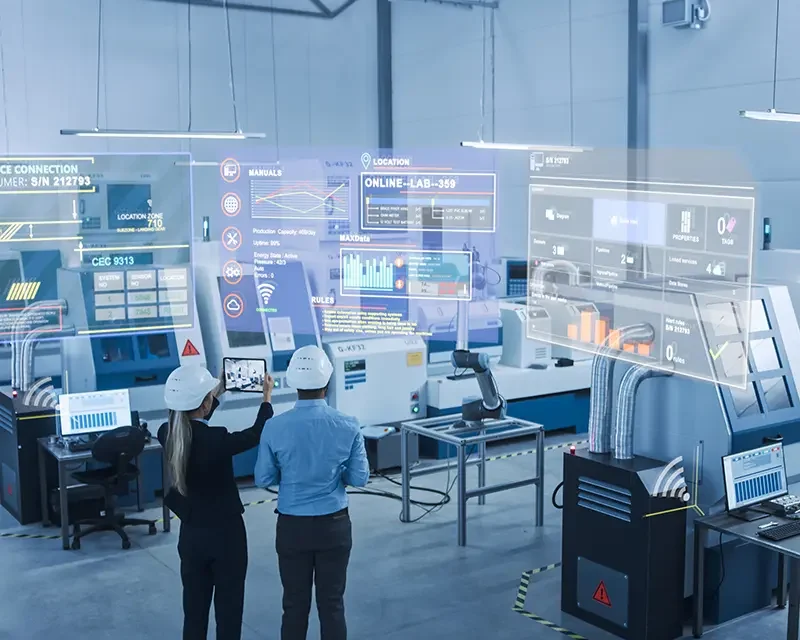
Factory Automation in PCB Manufacturing: Enhancing Precision, Speed, and Reliability

Applications of Factory Automation in PCB Manufacturing As electronic devices become more compact, powerful, and multifunctional, printed circuit boards (PCBs) must meet increasingly complex performance and reliability requirements. To support this evolution, factory automation has become a fundamental pillar of modern PCB manufacturing. Automated systems not only accelerate production but also improve precision, ensure repeatability,...

Defense PCBs: The Silent Guardians Powering and Protecting Critical Military Systems

How Defense PCBs Secure Critical Military Systems In modern defense technology, where milliseconds determine mission success and electronic failure can compromise national security, Defense PCBs stand as the silent guardians that ensure military systems operate flawlessly. More than simple circuit carriers, these boards are engineered to perform under extreme heat, rapid pressure shifts, electromagnetic attacks,...

BT-Epoxy Substrate Materials: High-Performance Resin for Advanced PCB & IC Packaging

Optimized Technical Article — BT-Epoxy in PCB Manufacturing What is BT-Epoxy in PCB Manufacturing? BT-Epoxy, short for Bismaleimide-Triazine resin, is a high-performance thermoset polymer widely used in advanced PCB fabrication. Sometimes referred to as Bisphenol-T epoxy, this material is produced by polymerizing BT monomers with epichlorohydrin, forming a tightly cross-linked resin system with excellent thermal,...