HomeTag

RF PCB - KKPCB

Taconic RF-35 PCB for Beamforming Networks: Holding Phase Balance Across a Multi-Channel Array

Table of Contents Electrical-length budget Stackup and return path Array routing and calibration Production release evidence Beamforming boards are often released as if they were ordinary controlled-impedance backplanes. That shortcut is risky. In a multi-channel array, a small phase error in one feed path changes the composite beam, reduces calibration margin, and can look like...
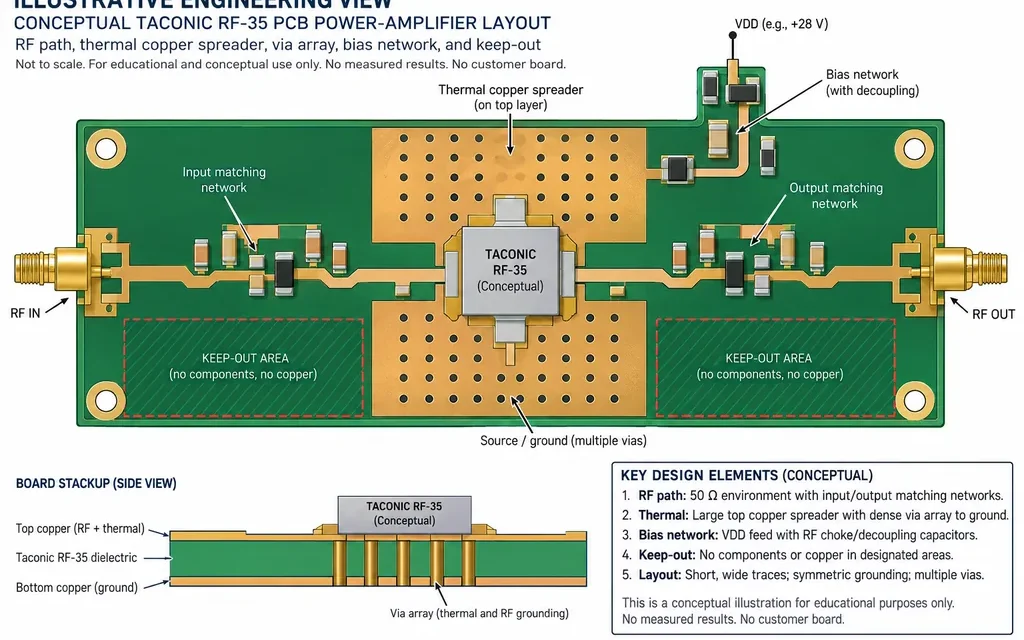
Taconic RF-35 PCB Power Amplifier Layout: A Robust Heat-Spreading Path That Protects RF Tuning

Taconic RF-35 PCB power amplifier thermal work must preserve two things at once: the device must shed heat, and the RF path must keep its intended impedance and return current. The common project failure is a late copper pour or thermal-via change that improves a temperature estimate but shifts the launch, bias isolation, or local...

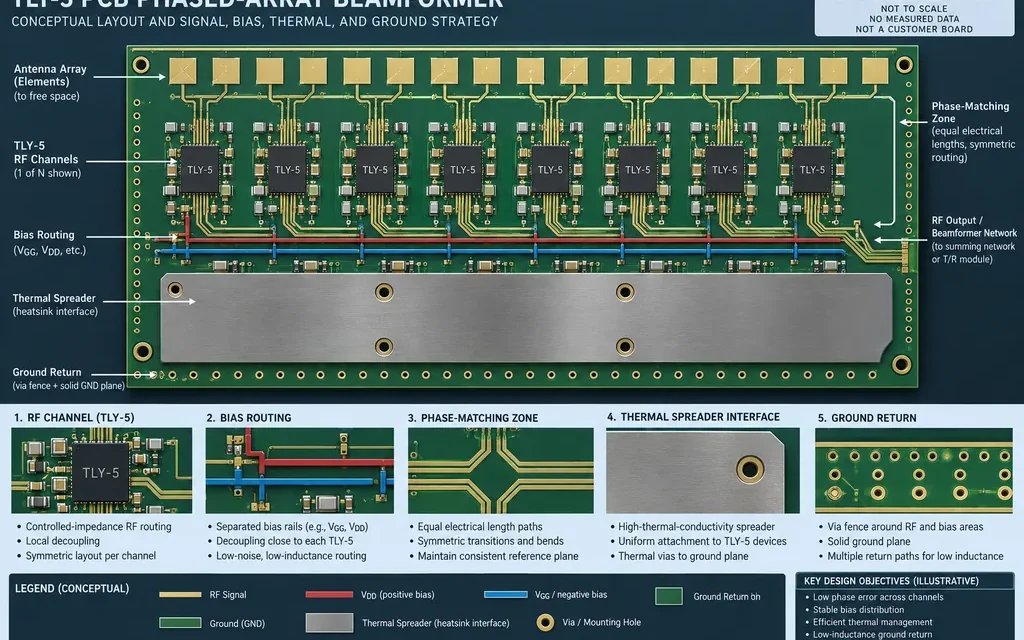
TLY-5 PCB in Phased-Array Beamformers: A Thermal and Bias-Routing Strategy

TLY-5 PCB beamformer thermal design is a coupled RF and power problem. In a phased array, each channel must preserve phase while bias networks, power amplifiers, control lines, and heat paths share a compact multilayer board. The engineering risk is not simply a hot spot; it is a hot spot that changes dielectric geometry, connector...

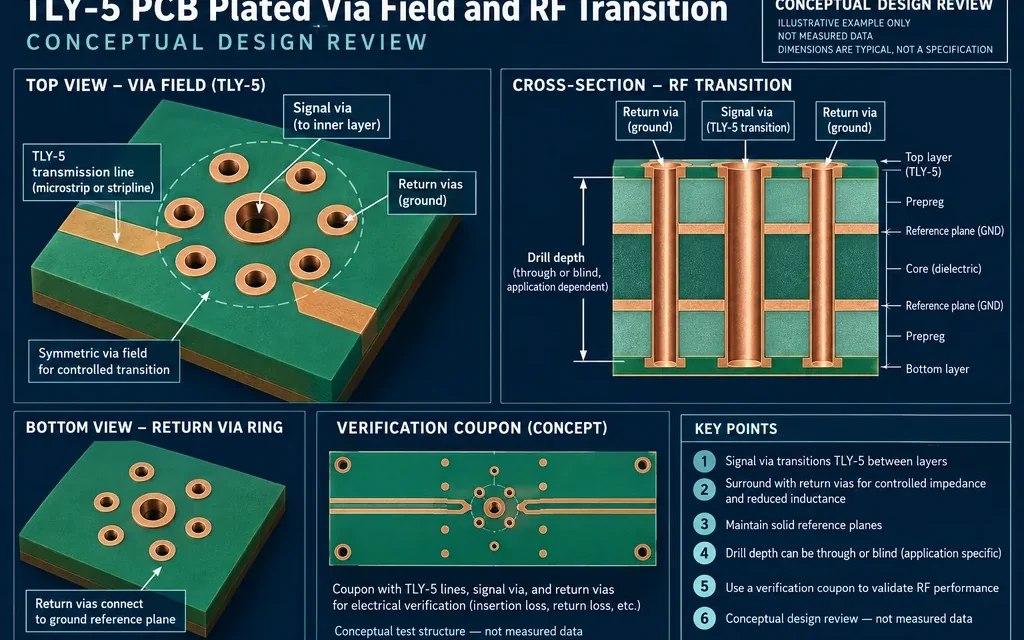
TLY-5 PCB Via Fields: Designing Plated Transitions Without Tuning Away the Real Problem

A TLY-5 PCB via field is not a cosmetic layout detail in a Ku-band module. The plated transition decides where the return current closes, how much barrel remains beyond the active layer, and whether the connector launch modeled by the RF team still represents the finished board. When this is released late, the first prototype...

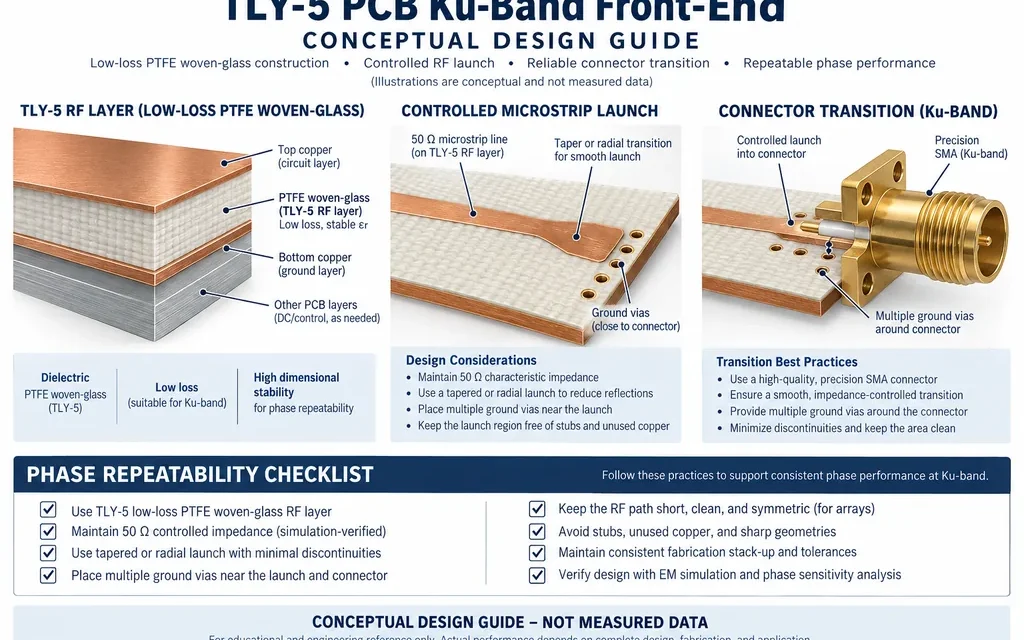
TLY-5 PCB for Ku-Band Front Ends: Managing Copper Roughness and Phase Repeatability

Ku-band TLY-5 PCB projects need a finished-board reference, not only a laminate name. Table of Contents Finished-board sensitivity Copper roughness Connector launch Phase repeatability Manufacturing handoff Release checklist TLY-5 PCB is often selected for a Ku-band front end because the laminate combines a low nominal dielectric constant with low dielectric loss. The difficult part is...

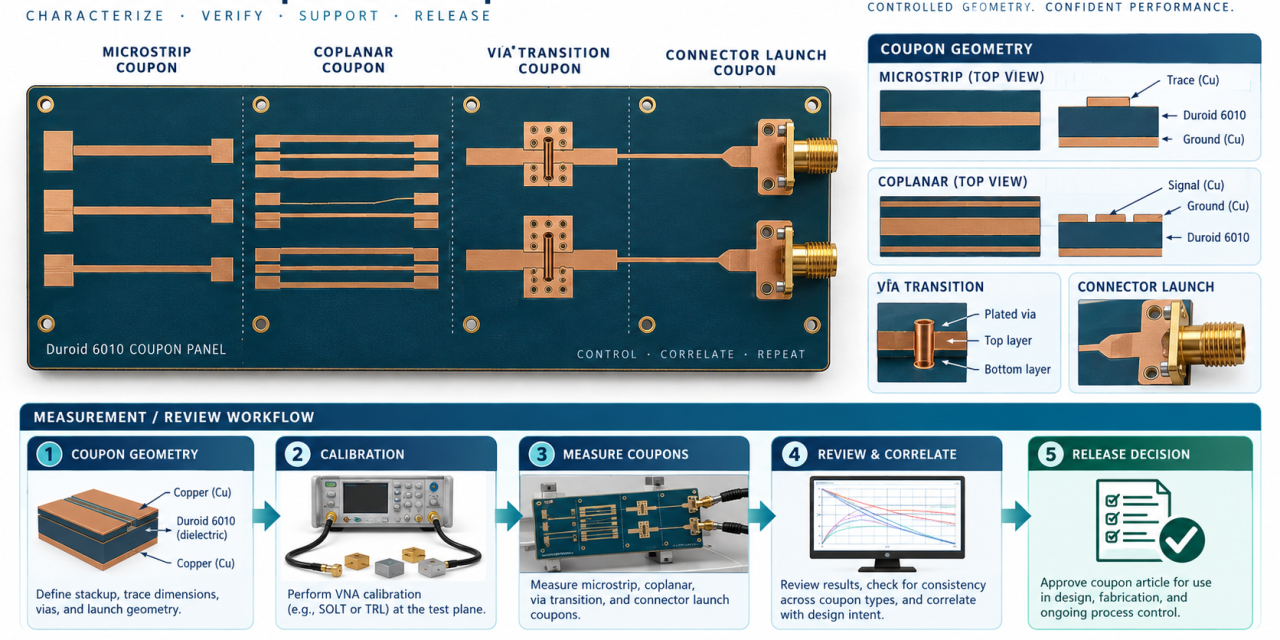
Duroid 6010 PCB Impedance Coupons: 7 Critical Controls for Production Release

Table of Contents Why coupon design must follow the RF path Seven controls for defensible coupon evidence Geometry, calibration, and correlation Release package and handoff Coupon checklist A Duroid 6010 PCB impedance coupon is useful only when its geometry, construction, fixture, and acceptance method represent the product feature being released. The project pain point is...

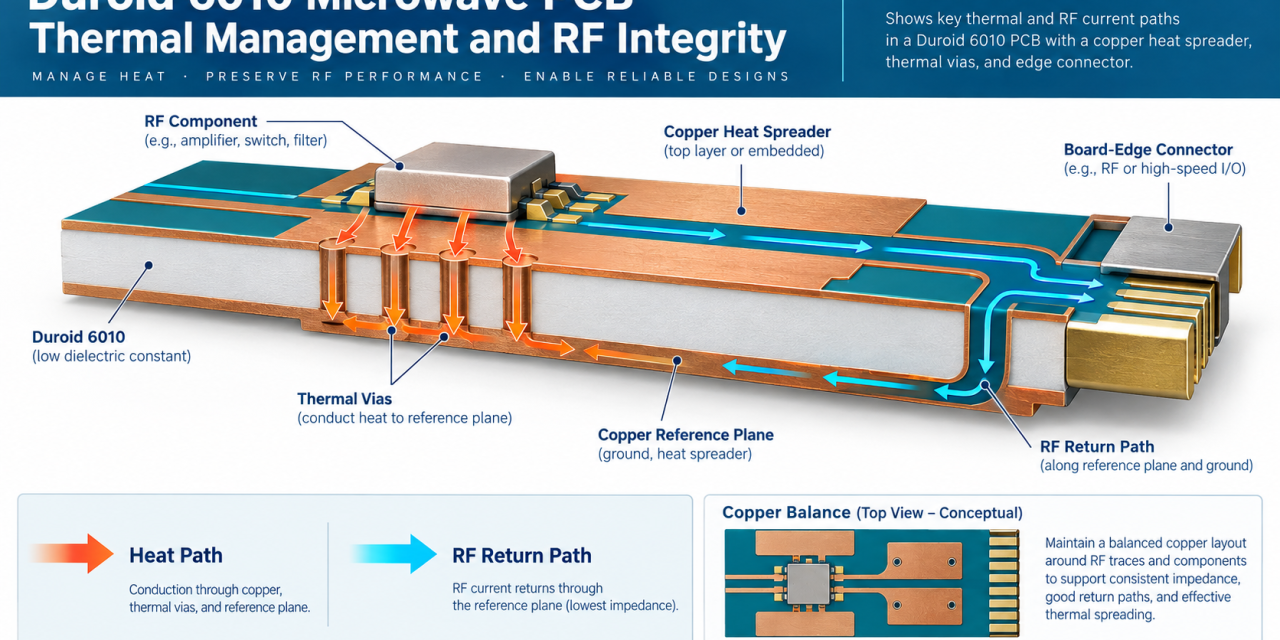
Duroid 6010 PCB Thermal Management: 7 Critical Controls for Stable RF Power

Table of Contents Why thermal and RF paths interact Seven controls for stable power handling Heat path and copper balance Qualification and release evidence Engineering checklist A Duroid 6010 PCB can support compact microwave routing, but RF power and thermal design must be released together. The project pain point is the interaction between copper spreading,...

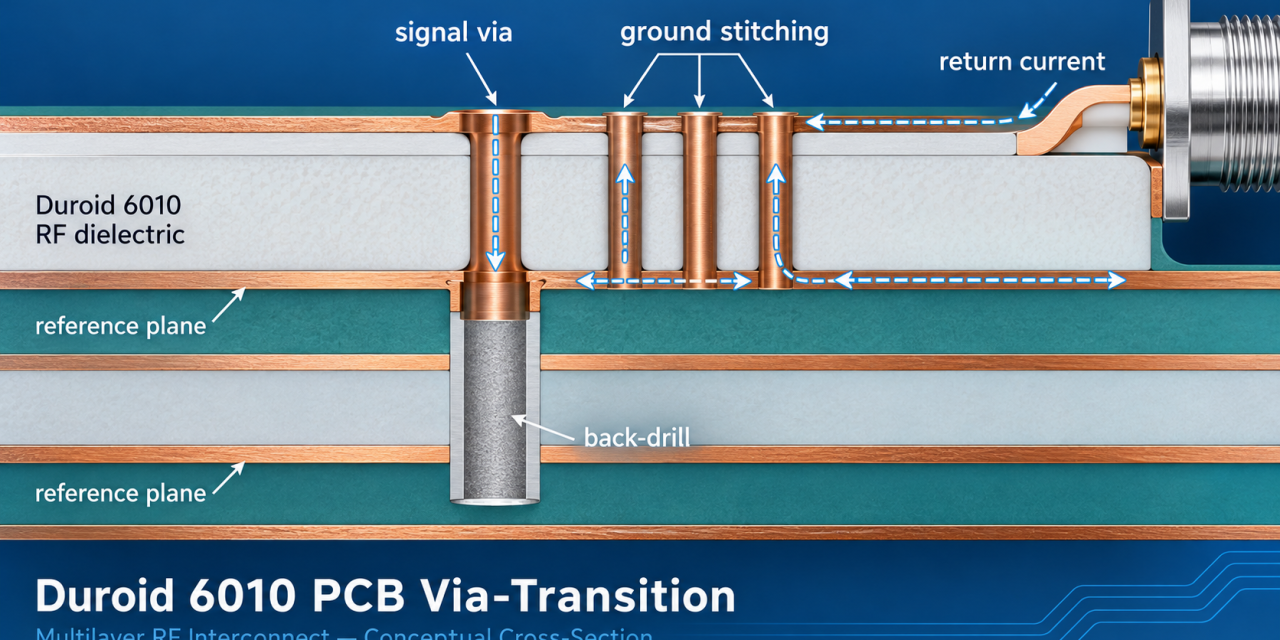
Duroid 6010 PCB Via Transition: 7 Critical Controls for Stable RF Interconnects

Table of Contents Why via transitions become the RF bottleneck Seven controls for a stable interconnect Return path and back-drill Launch and inspection evidence Release checklist A Duroid 6010 PCB via transition can dominate microwave performance when the signal changes layers, connects to a board-edge launch, or crosses a split reference plane. The project pain...

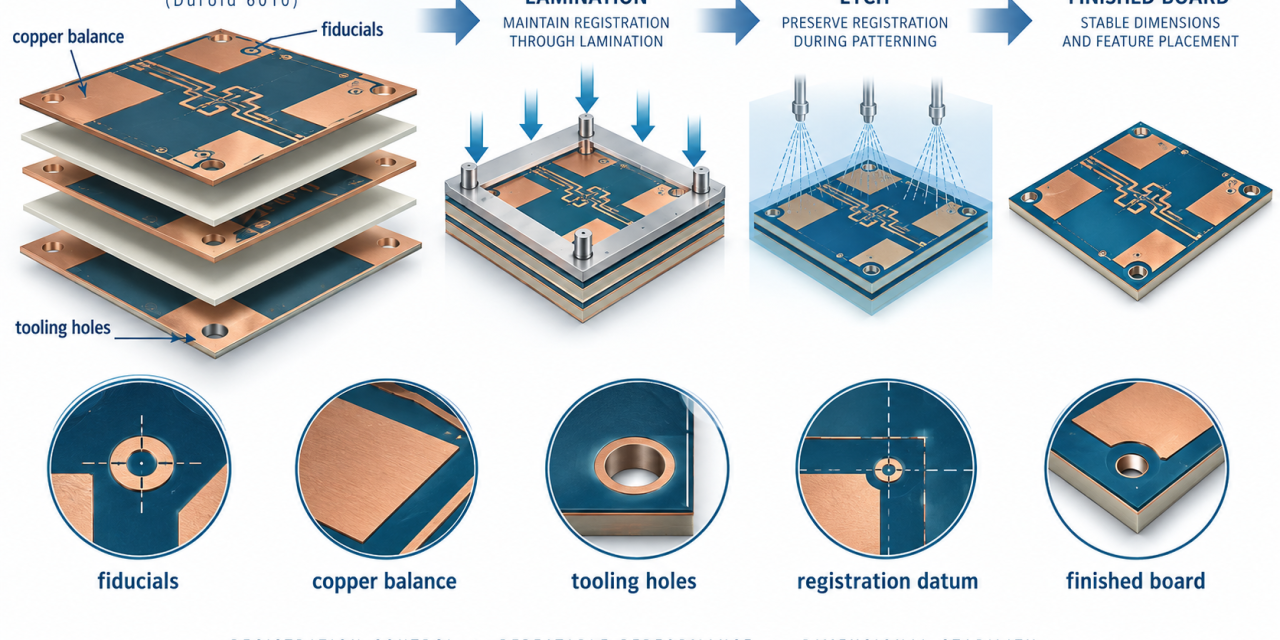
Duroid 6010 PCB Dimensional Stability: 7 Critical Controls for RF Registration

Table of Contents Why dimensional drift affects RF builds Seven controls for registration stability Panel balance and datums Inspection and release evidence Project checklist A Duroid 6010 PCB can be electrically well designed and still miss the project’s RF margin when layer-to-layer registration, copper balance, or board-edge datums drift through lamination and etch. The real...

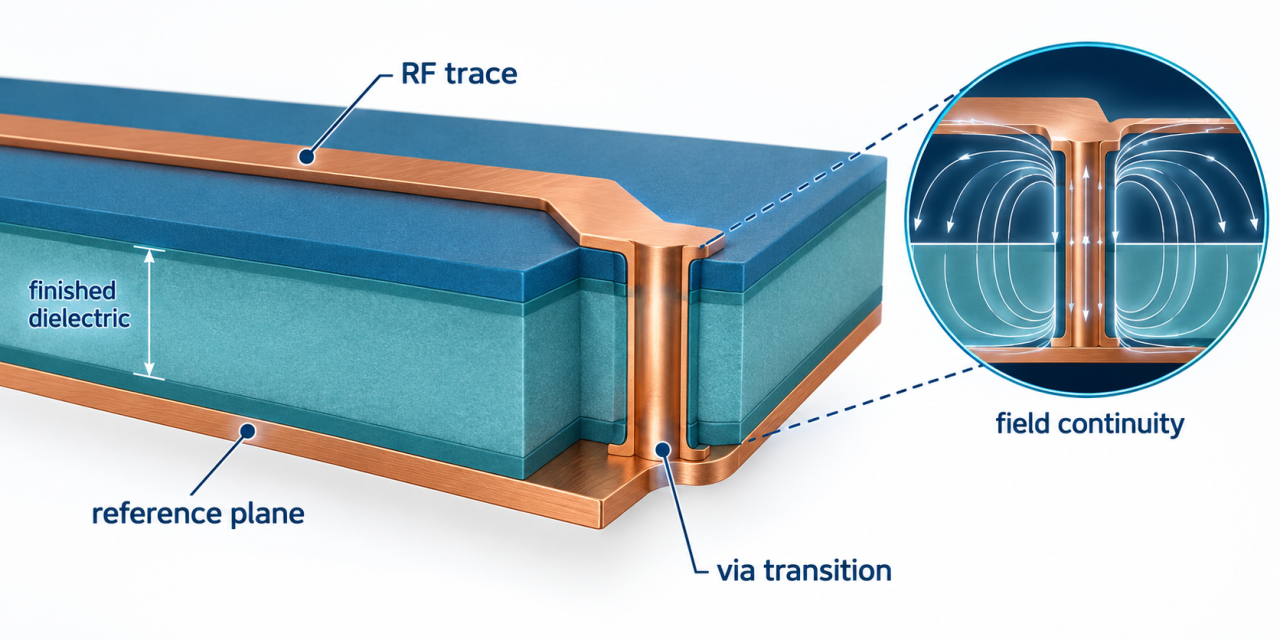
Duroid 6010 PCB Stackup: 7 Critical Controls for Stable High-Frequency Builds

Table of Contents Why stackup control decides RF stability Seven controls for a reliable release Field geometry and finished construction Coupon and fabrication evidence Project release checklist A Duroid 6010 PCB stackup is selected when a microwave project needs a controlled dielectric environment, compact routing, and repeatable transitions. The project risk is not solved by...