HomeTag

PCB Design - KKPCB

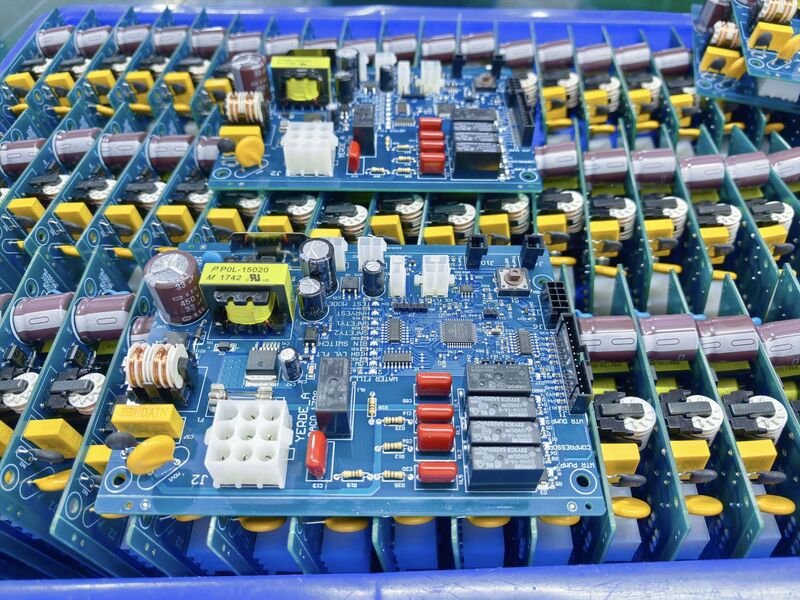
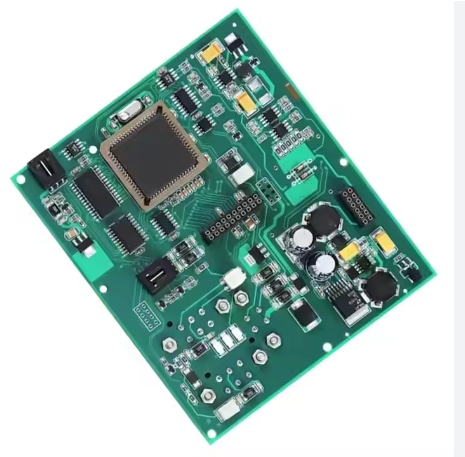
PCBs for Industrial Automation: The Backbone of Modern Control Systems

In the era of Industry 4.0, industrial automation systems rely heavily on high-performance printed circuit boards (PCBs) to enable intelligent control, real-time data processing, and reliable system operation. As the backbone of modern control systems, industrial automation PCBs must deliver exceptional reliability, durability, and electrical stability. From programmable logic controllers (PLCs) to robotics and smart...
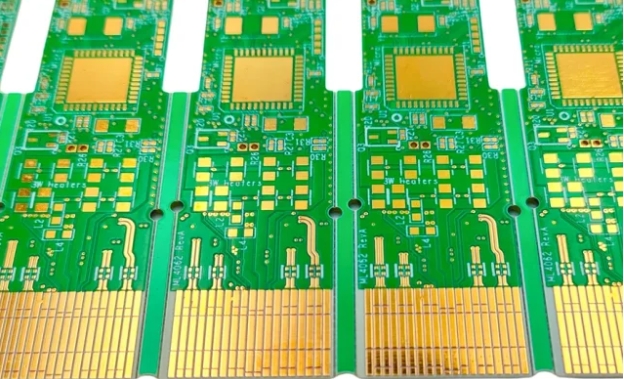
Mastering High-Speed PCB Test Point Design: Precision, Performance, and Signal Integrity

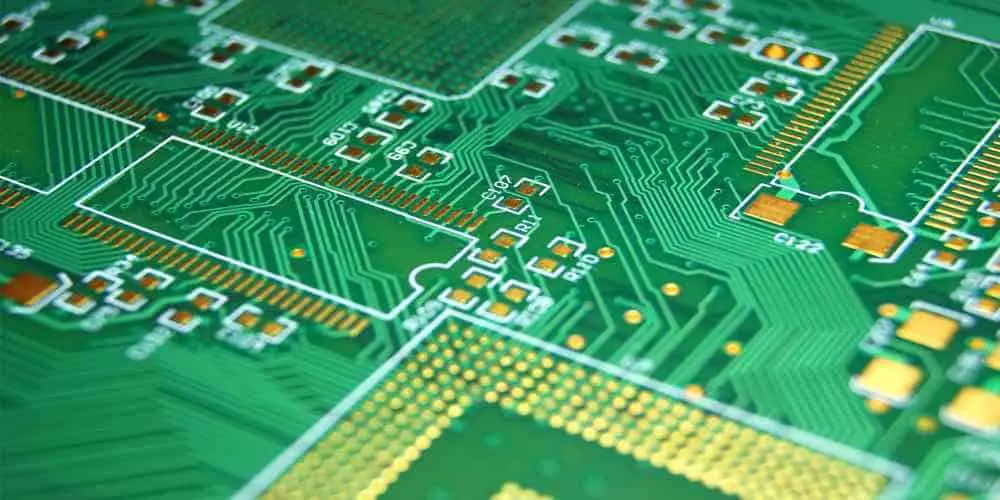
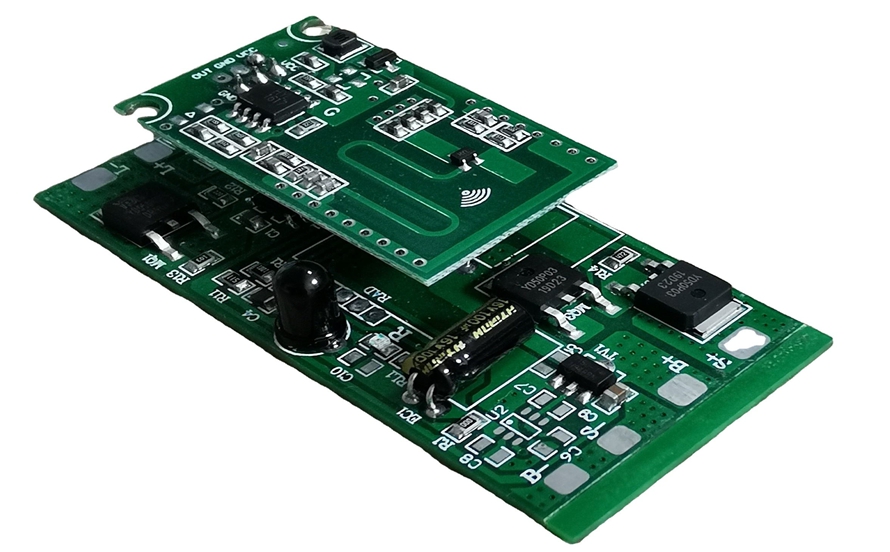
Mastering High-Speed PCB Test Point Design: Precision, Performance, and Signal Integrity In high-speed printed circuit board (PCB) design, test point placement is far more than a routine step—it’s a science of balance. The miniature metal pads scattered across a PCB may look simple, but their position, size, and electrical behavior can determine whether a product...

Explore how KKPCB engineers world-class radar PCBs for automotive, aerospace, and defense applications. Learn about design techniques, RF materials, and manufacturing precision for frequencies up to 77 GHz.

Radar PCB Overview Radar PCBs represent the pinnacle of high-frequency circuit design, bridging advanced RF engineering and precise manufacturing. These specialized boards operate in the 1 GHz – 77 GHz range, demanding exceptional signal integrity, low loss materials, and extreme reliability — especially in mission-critical applications like automotive radar, aerospace, and defense. KKPCB has extensive...

PCB Design Best Practices: Key Considerations for Optimized Performance

When designing printed circuit boards (PCBs), a well-structured approach and attention to detail are essential to ensure functionality and avoid potential design errors. Here are some key PCB design tips based on practical experience: 1. Pay Attention to Pin Definitions and Package Names in the Schematic Library When creating the schematic library, ensure that each schematic pin corresponds correctly...

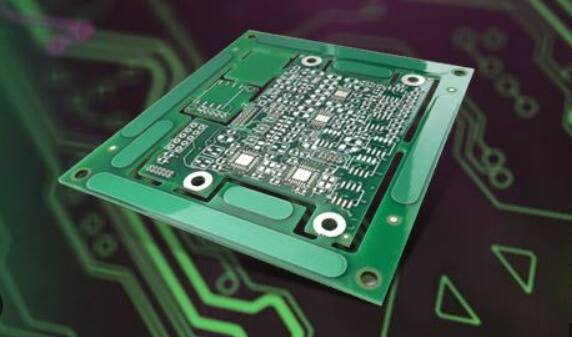
High-Frequency PCB: High-Speed ​​Circuits for Signal Transmission

1. Introduction: Why High-Frequency PCBs Are the Backbone of Modern Signal Transmission In today’s electronics industry, the demand for high-speed signal transmission and high-frequency communication is rapidly increasing due to the expansion of 5G/6G networks, automotive radar systems, satellite communications, and data center interconnects. At these high frequencies (GHz to mmWave range), signal behavior is...

Which PCB Coating vs Resin Protection is Best?

Amid the increasing climate change, protection has become a top priority for every advancement. Moreover, we cannot deny that tech products require strong resistance to harsh weather, rain, sun or electromagnetic currents. Resins and coatings protect printed circuit boards to ensure their compatibility. This helps focus on which environmental factors affect the PCB from the outside and...

What is a High Frequency PCB?

Introduction: Why High Frequency PCB Matters As modern electronics continue to evolve toward high-speed communication and high-frequency signal transmission, the demand for High Frequency PCBs has grown significantly. Applications such as 5G communication, radar systems, and satellite technology require circuit boards that can handle high-frequency signals with minimal signal loss and excellent signal integrity. Understanding...

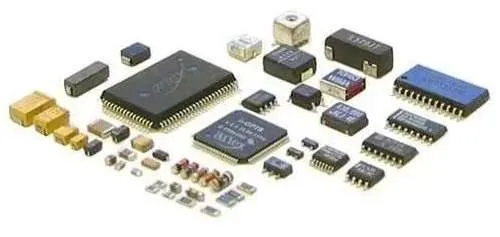
Overview of SMD Components and Their Characteristics

Introduction: The Importance of SMD Components in Modern Electronics In today’s electronics manufacturing industry, SMD components (Surface Mount Device components) are the foundation of modern SMT PCB assembly. As electronic products move toward miniaturization, high performance, and high-density integration, SMD components have become essential in nearly all PCB assembly processes. Understanding the characteristics of SMD...

Advanced PCBs – Design, Manufacturing, and Assembly

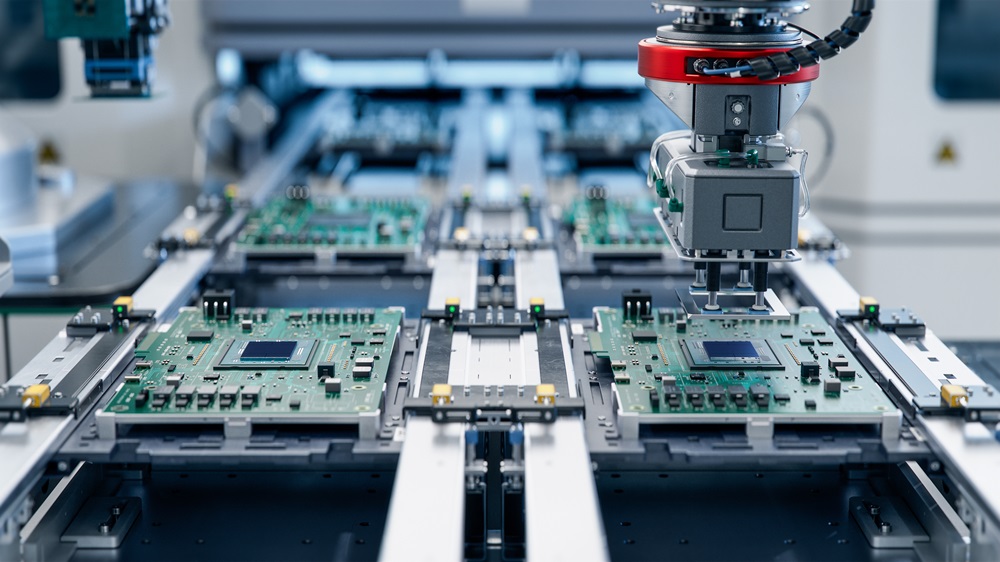
Advanced PCBs represent the cutting edge of printed circuit board technology, enabling compact, high-performance, and highly reliable electronic systems for demanding applications such as 5G/6G infrastructure, ADAS automotive radar, AI computing, aerospace electronics, Industrial IoT, and medical devices. These boards go far beyond standard FR-4 designs, incorporating HDI (High-Density Interconnect), rigid-flex, high-frequency low-loss materials, heavy...