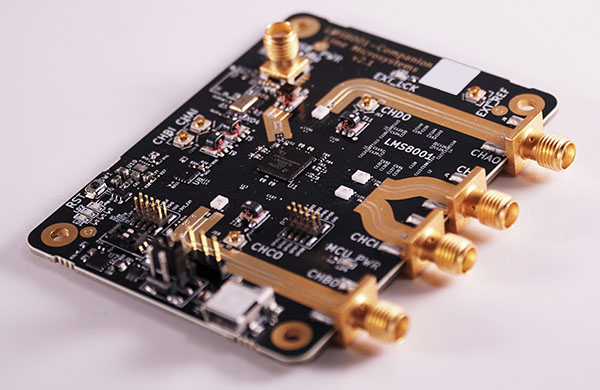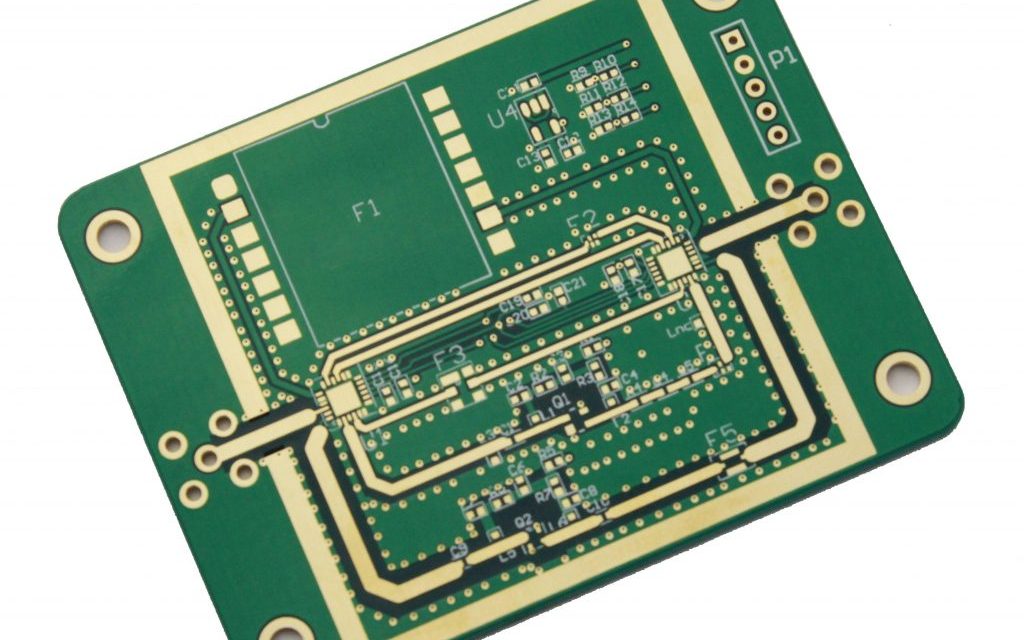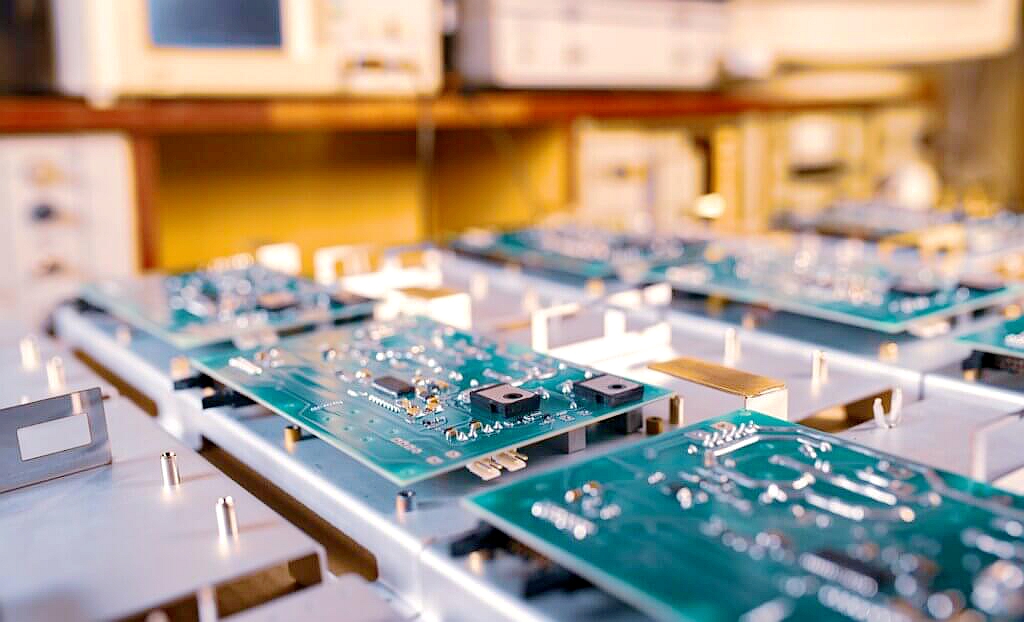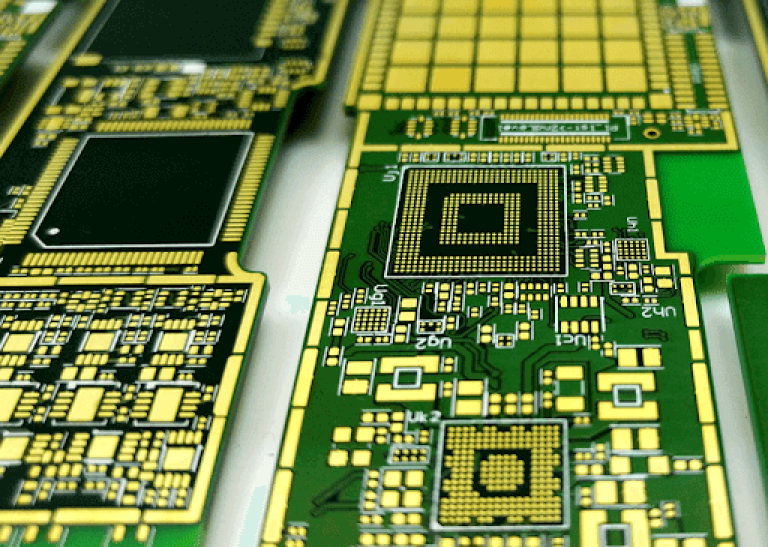
Discover the best high-frequency PCB materials for RF and microwave applications. Compare Rogers 4000 series, Isola Tachyon, and Panasonic Megtron laminates for low loss, high thermal reliability, and superior signal integrity.
Perfect soldering of a printed circuit board is a very simple, yet very rare, phenomenon. How can this contradiction be explained? If perfect soldering is easy, then why so much rework and rework? The answer, of course, is that it is simple, but only if you know how, and also keep in mind that most...
Impedance matching in HDI ( High- Density Interconnect ) boards is intended to prevent transmission errors, especially losses caused by transmission line resistance and the dielectric properties of the printed circuit board. Microvias can be used to create manufacturing-friendly PCB layouts in impedance-matched systems. BGA escape routing and dogbone fanout structures enable impedance matching in HDI PCBs. When do PCB traces...
Explore the Rogers High Frequency Electronics Product Selector Guide — your essential resource for selecting high-performance PCB laminates for RF, microwave, 5G, and automotive applications. Compare RO3000, RO4000, RT/duroid, and more.
Enabling High-Performance Industrial Wireless Networks In industrial wireless sensor networks (IWSNs), PCB materials play a critical role in achieving reliable communication and efficient signal transmission. Taconic TLY-5 PCB laminates are engineered for high-frequency applications, offering exceptional dielectric uniformity, low dissipation factor, and excellent RF performance, making them ideal for industrial IoT and wireless sensor networks....
In high-speed laptop and server motherboards, maintaining power integrity (PI) and minimizing electromagnetic interference (EMI) are crucial for stable system performance and signal reliability. Taconic RF-35 PCBs, with their low-loss dielectric properties and excellent thermal stability, have emerged as a preferred solution for high-frequency, high-speed PCB design. By leveraging Taconic RF-35 PCB materials, designers can...
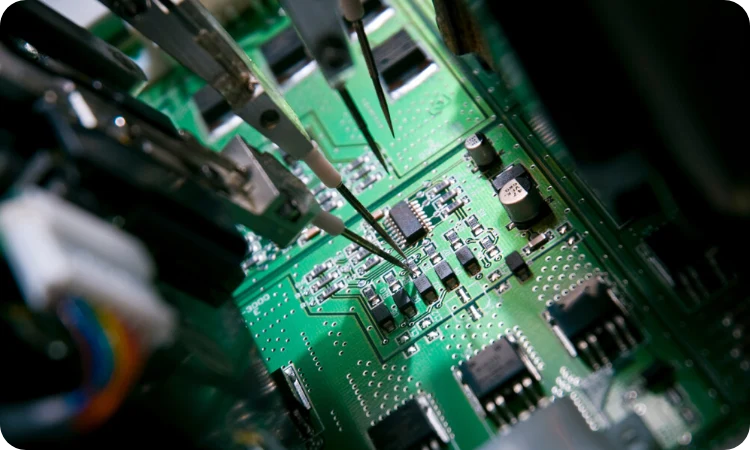
Engineering Precision: The Critical Role of Probe Card PCBs in Semiconductor Testing Introduction In semiconductor production, precision defines success. Every chip must be verified for performance and reliability before it’s packaged—and the key to this process lies in the probe card PCB.At KKPCB, we specialize in engineering high-performance probe card PCBs that ensure accurate, repeatable,...
RF Test PCB: Engineering Precision for High-Frequency Testing Applications Introduction As wireless communication, semiconductor devices, and high-frequency electronics continue to advance, the demand for precise and reliable test platforms has increased dramatically. Among these platforms, the RF Test PCB plays a central role. It enables engineers to validate RF performance, measure high-frequency characteristics, and ensure...
Introduction to Aluminum Oxide (Al₂O₃) Ceramic PCBs In the field of printed circuit board (PCB) manufacturing, the choice of substrate material plays an essential role in determining the product’s performance, reliability, and heat dissipation capability. Ceramic PCBs—particularly those using Aluminum Oxide (Al₂O₃)—have become increasingly popular due to their outstanding thermal and electrical properties. This article...
Advanced Driver Assistance Systems (ADAS) depend on high-performance automotive radar PCBs operating primarily at 77 GHz (and extending to 79 GHz) to deliver critical functions such as adaptive cruise control, automatic emergency braking, blind-spot detection, lane-change assistance, and 4D imaging. At these millimeter-wave frequencies, even minor imperfections in ADAS PCB layout can cause significant signal...