PCB Manufacturing Services | High-Quality PCB & PCBA - KKPCB
 
HomeCategory

PCB Manufacturing Services | High-Quality PCB & PCBA - KKPCB

Advanced High-Frequency PCB Solutions with Rogers RT/duroid® 5880

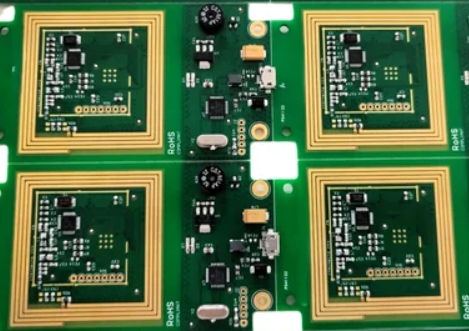
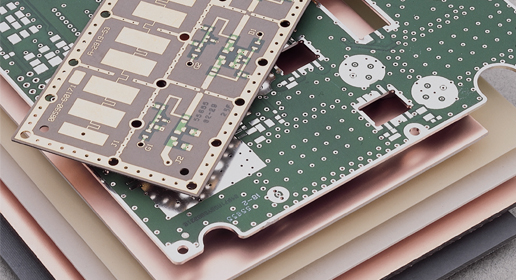
Advanced High-Frequency PCB Solutions with Rogers RT/duroid® 5880 In high-frequency circuit design, material selection defines performance. Rogers RT/duroid 5880, known for its exceptional electrical stability and low signal loss, has become the industry standard for RF and microwave applications. At KKPCB, we specialize in manufacturing high-frequency PCB that fully leverage the advantages of this premium...
HDI PCB: The Core Technology Driving Miniaturization and High-Performance Electronics

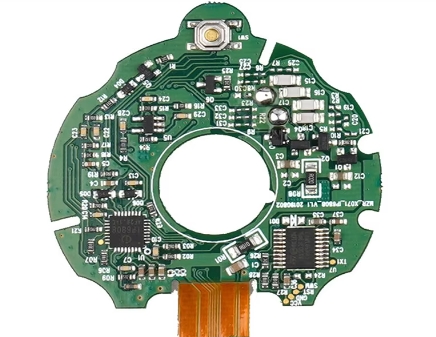
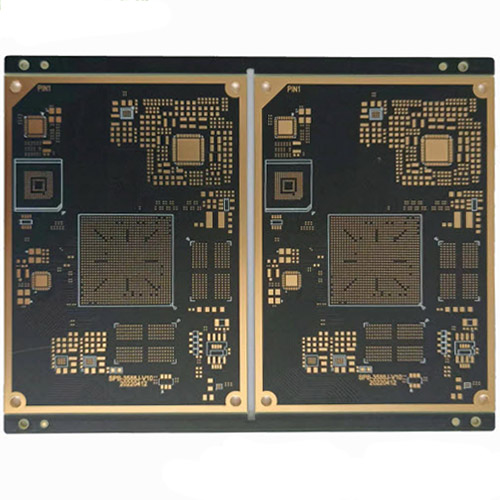
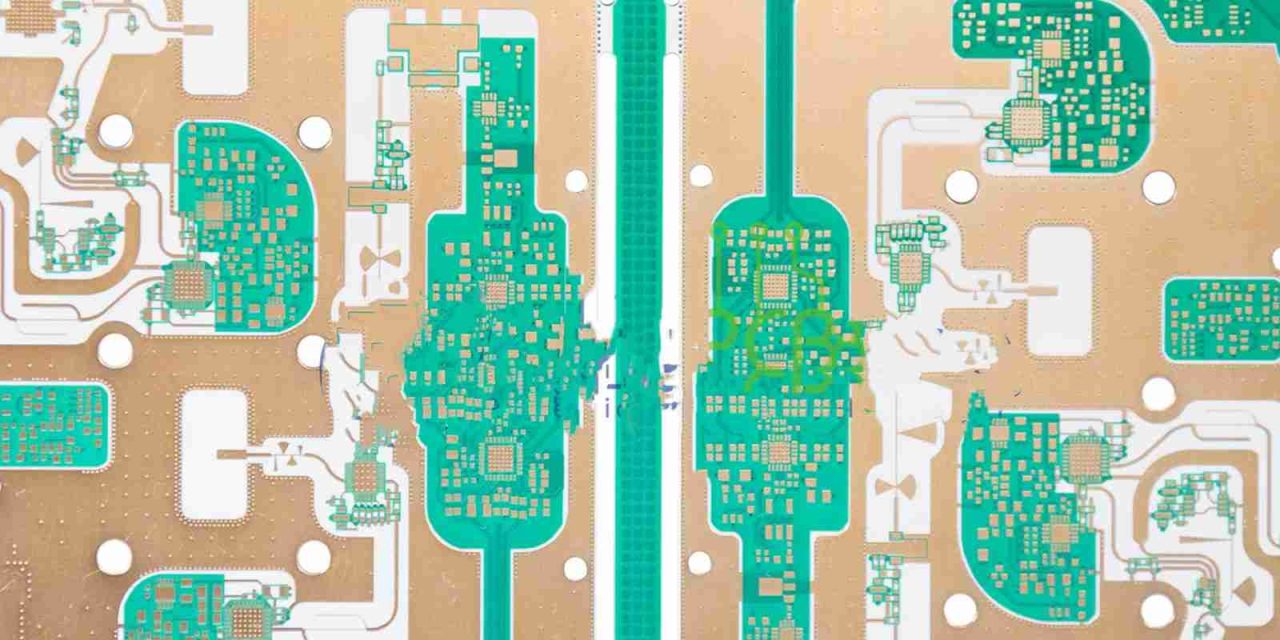
HDI PCB: The Foundation of Modern Electronic Miniaturization In today’s electronics industry, devices are becoming smaller, faster, and more powerful. To achieve this balance, engineers increasingly rely on HDI PCBs (High-Density Interconnect Printed Circuit Boards)—a technology that allows for higher circuit density, improved signal integrity, and enhanced performance within compact form factors. At KKPCB, we...

SMT Assembly Instructions: A Beginner’s Guide

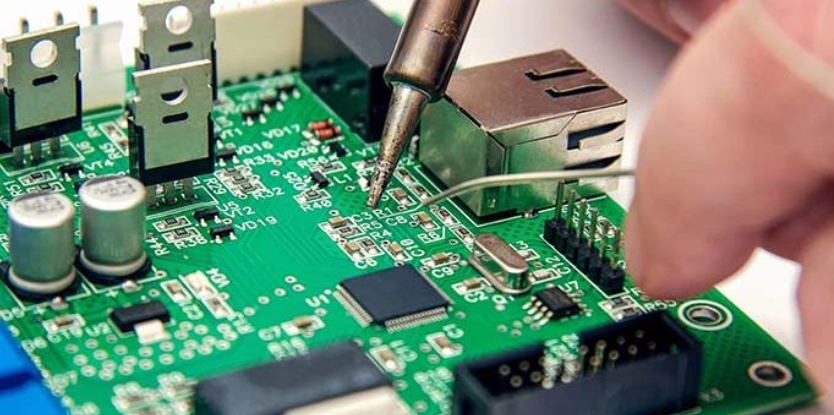
Electronic devices have transformed our lives, from smartphones to electric vehicles, all thanks to continuous innovation and advancements in technology. At the heart of these devices are printed circuit boards (PCBs) that are meticulously manufactured, assembled, and packaged to deliver the final products we rely on. This article explores the PCB Surface Mount Technology (SMT) assembly process,...

PCB Materials: Building Blocks of Electronic Devices

Printed circuit boards (PCBs) are at the heart of modern electronic devices, powering everything from smartphones to aerospace systems. The journey of PCB materials has evolved significantly since their inception in the early 20th century. This article explores the composition, types, and advancements of PCB materials, essential for understanding the foundation of today’s electronic innovations. Evolution...

SMT Assembly vs Through-Hole Assembly: Advantages and Disadvantages

When it comes to assembling Printed Circuit Boards (PCBs), there are two primary technologies: Surface Mount Technology (SMT) assembly and Through-Hole Technology (PTH) assembly. Understanding their differences, advantages, and disadvantages is crucial for selecting the best option for your PCB-based project. This guide by Viasion experts provides a comprehensive comparison to help you make an informed decision. What...

How to Remove Flux from PCB?

During PCB soldering and PCB assembly (PCBA), flux is widely used to ensure strong and reliable electrical connections. However, removing flux from PCB after soldering is equally important. Excess flux residue on PCB can lead to signal interference, corrosion, leakage current, and long-term reliability issues. This guide explains how to remove flux from PCB, covering...

Single-layer FPC, double-layer FPC and multi-layer FPC in PCB manufacturing

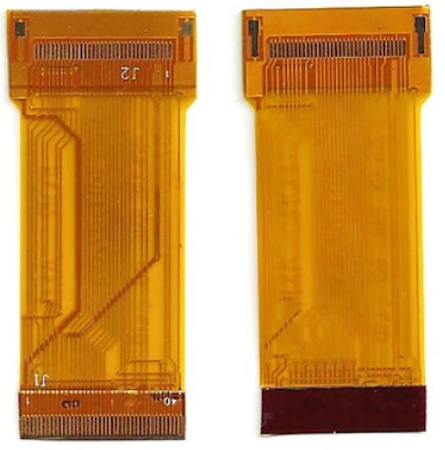
Differences between single-layer FPC, double-layer FPC and multi-layer FPC Multi-layer FPC Multi-layer FPC is to stack three or more layers of single-sided or double-sided flexible circuits together, and make metallized holes through drilling, electroplating and other processes to achieve conductive paths between different layers, so no complex welding process is required. Multi-layer circuits have great functional...