
During PCB soldering and PCB assembly (PCBA), flux is widely used to ensure strong and reliable electrical connections. However, removing flux from PCB after soldering is equally important. Excess flux residue on PCB can lead to signal interference, corrosion, leakage current, and long-term reliability issues.
This guide explains how to remove flux from PCB, covering flux types, cleaning methods, tools, and step-by-step PCB cleaning processes to ensure optimal board performance.
Types of Flux in PCB Assembly
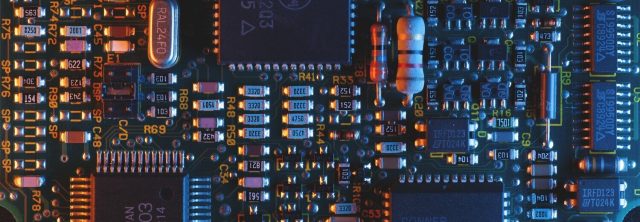
Understanding flux types in PCB soldering helps determine the correct PCB cleaning method.
1. Rosin Flux
Rosin flux PCB is derived from natural resin and widely used in PCB soldering.
- R (Rosin): Leaves minimal residue on clean PCB surfaces
- RMA (Rosin Mildly Activated): Improves wetting and partial cleaning
- RA (Rosin Activated): Highly active, leaves heavy residue
Key point: Rosin flux often requires flux removal from PCB after soldering.
2. No-Clean Flux
No-clean flux PCB is designed to minimize post-solder cleaning.
- Leaves light, non-conductive residues
- Reduces cleaning requirements
- Still may cause contamination over time
Important: Even no-clean flux residue may require cleaning in high-reliability PCB applications.
3. Water-Soluble Flux
Water-soluble flux PCB contains organic compounds and offers:
- Strong cleaning capability during soldering
- Better performance in complex PCB assembly
Requires thorough PCB cleaning after soldering to prevent residue issues.
Does Flux Need to Be Removed from PCB?
A common question in PCB manufacturing and PCBA services is whether flux cleaning is necessary.
- No-clean flux ≠ no residue
- Residues may include white residue, oxides, or ionic contamination
- Residue buildup can affect signal integrity and insulation performance
When to Remove Flux from PCB:
- High-reliability electronics (medical, automotive, industrial)
- High-speed PCB and RF PCB designs
- Customer-specified PCBA cleaning requirements
- Visible residue or contamination
In most professional applications, PCB flux cleaning is recommended.
Methods for Removing Flux from PCB
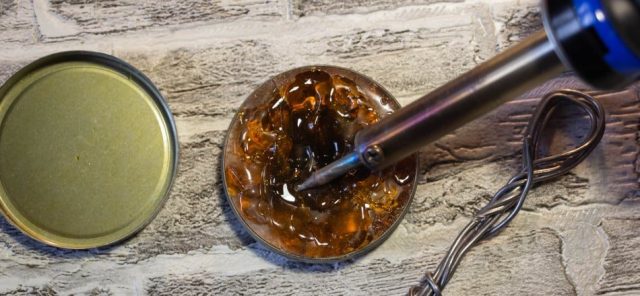
There are two main PCB cleaning methods: manual PCB cleaning and ultrasonic PCB cleaning.
Manual PCB Cleaning Method
Manual flux removal from PCB is the most common and cost-effective solution.
Tools for PCB Cleaning
- Soft brush or toothbrush
- Acid brush
- Tweezers or lint-free cloth
- Isopropyl alcohol (IPA) or acetone
- Distilled water
Steps to Remove Flux from PCB
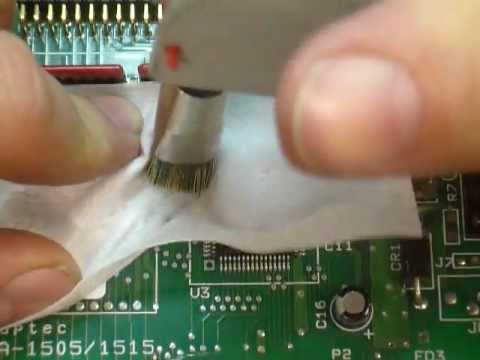
1. Dip
Dip the brush into isopropyl alcohol PCB cleaning solution or acetone. Remove excess liquid to avoid oversaturation.
2. Brush
Gently brush all areas of the PCB:
- Focus on solder joints
- Clean corners and component leads
- Avoid damaging traces or components
Repeat until flux residue on PCB is removed.
3. Wipe
Use a clean cloth to wipe away excess solvent and residue.
4. Final Rinse & Dry
- Rinse with distilled water if necessary
- Use compressed air or air blower
- Allow PCB to fully dry before use
Advantages of Manual PCB Cleaning
- Simple and low-cost
- Flexible for small batches
- Effective for most PCB assemblies
Disadvantages
- Time-consuming
- Not ideal for high-volume PCB production
Ultrasonic PCB Cleaning Method
Ultrasonic cleaning PCB is widely used in industrial PCBA cleaning processes.
Working Principle
Ultrasonic waves create cavitation bubbles in the cleaning liquid, which:
- Remove flux residue from solder joints
- Clean hard-to-reach areas and micro gaps
- Improve cleaning efficiency
Advantages of Ultrasonic PCB Cleaning
- High cleaning efficiency
- Excellent cleaning quality
- Suitable for complex PCB structures
- Ideal for mass production
Key Factors Affecting Ultrasonic Cleaning
- Ultrasonic frequency
- Cleaning solution type
- Temperature
- Cleaning time
Best Practices for PCB Flux Removal
To ensure effective PCB cleaning and flux removal, follow these best practices:
- Use appropriate PCB cleaning solvent (IPA or dedicated cleaner)
- Avoid excessive liquid to prevent internal contamination
- Replace dirty cleaning solution regularly
- Handle flammable solvents safely
- Ensure complete drying before powering the PCB
Conclusion
Removing flux from PCB is a critical step in ensuring PCB reliability, signal integrity, and long-term performance. Whether using manual PCB cleaning or ultrasonic PCB cleaning, selecting the right method depends on application requirements, production volume, and cleanliness standards.
Although flux is essential in PCB soldering and PCB assembly, proper flux removal from PCB ensures a clean, stable, and high-performance electronic product.
Choosing the right flux type and PCB cleaning process is key to achieving optimal results in modern electronics manufacturing.
