Engineering Technologies – Page 113 – KKPCB
 
HomeCategory

Engineering Technologies

PCB Material Selection Guide

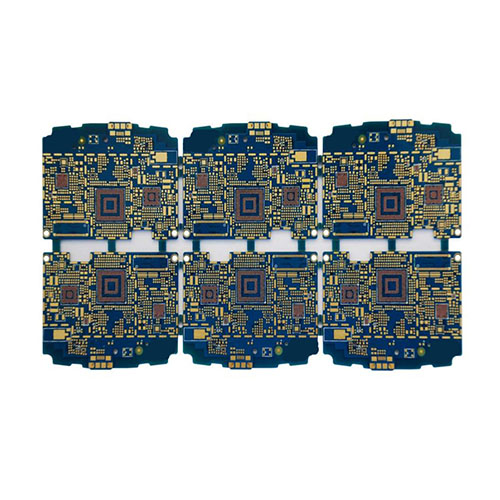
Selecting the right PCB material is not just a design choice—it directly impacts signal integrity, thermal performance, manufacturability, and long-term reliability. For engineers and sourcing professionals, material selection often becomes the hidden factor behind project success or failure, especially in high-frequency, high-speed, or harsh-environment applications. This guide breaks down how to choose PCB materials based...

How Are Printed Circuit Boards Manufactured?

Circuit boards play a key role in making sure electronic products work properly. They provide structural support and link all the electrical parts together. Whether it’s in smartphones, laptops, or household devices, none could operate without a PCB. This guide will introduce you to the components of a printed circuit board and help you understand the manufacturing process....

PCB Plating Hole Filling Technology

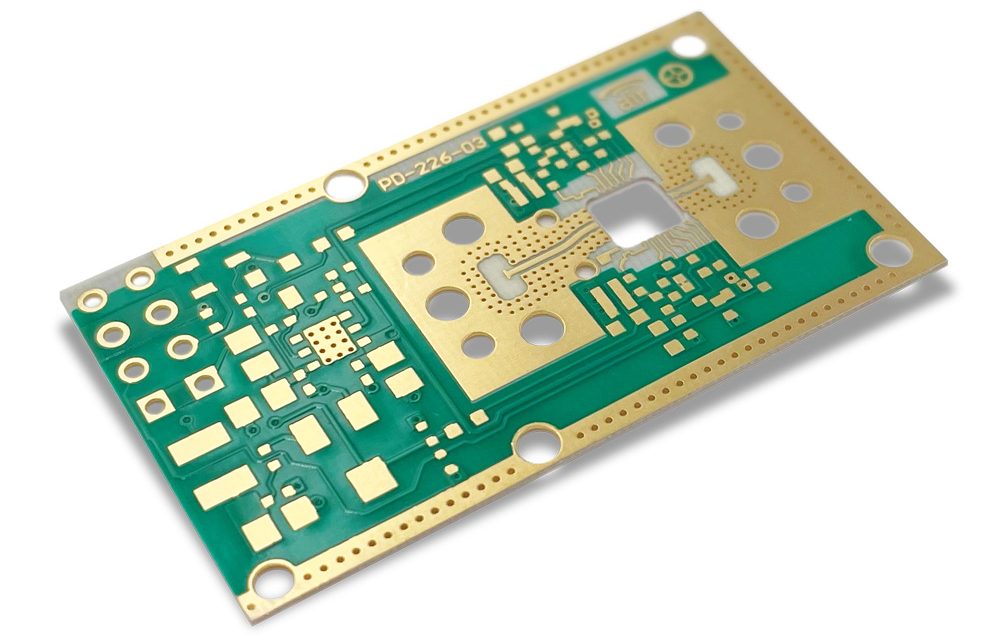
The output value of the global electroplating PCB industry accounts for the rapid growth of the proportion of the total output value of the electronic component industry. It is the industry with the largest proportion in the electronic component industry. It occupies a unique position. The volume of electronic products is becoming lighter and thinner. Design method...

Why EMC Compliance important in Motor Control PCB Design

Ensuring Electromagnetic Compatibility (EMC) compliance in motor control PCBs is essential to avoid interference issues, maintain system reliability, and ensure regulatory approval for market access. Here’s a breakdown of why EMC compliance matters and how to achieve it. 1. Why is EMC Compliance Important? Ensures Reliable Operation Without proper EMC measures, Electromagnetic Interference (EMI) can disrupt nearby electronic devices, causing system...

PCB Screen Printing Stencil Making Process

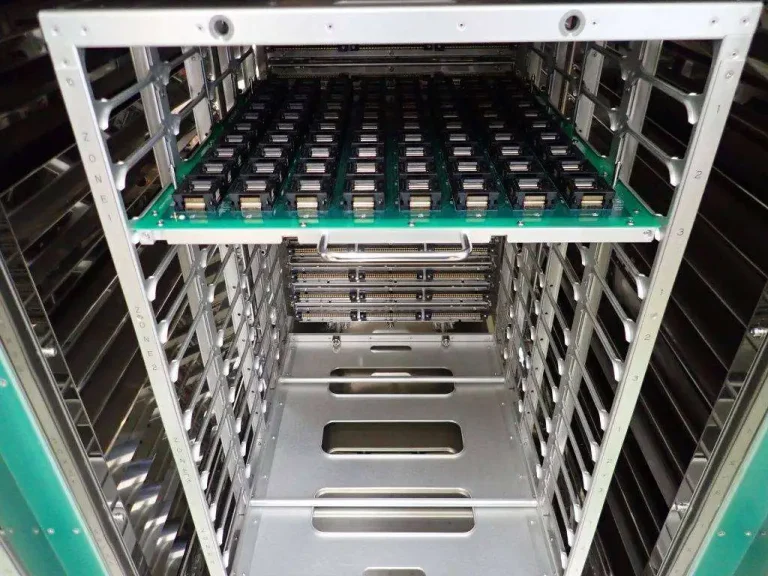
Printed Circuit Board (PCB) manufacturing is a complex process that involves multiple steps, one of which is the application of solder paste or other materials onto the board. This is often accomplished through screen printing, a technique that requires a high-quality stencil. The PCB screen printing stencil making process is a crucial part of PCB assembly, as it directly affects...

PCB Screen Printing Vs PCB Inkjet Printing: What’s Difference

Printed circuit boards (PCBs) serve as the foundation for electronics, providing the mechanical structure and electrical connections between components. PCB fabrication involves many steps, including printing conductive traces, solder mask, legend, and other features onto the bare boards. Two of the most common PCB printing methods are screen printing and inkjet printing. Both techniques can accurately reproduce fine features on a PCB, but...

What is the Significance of Solder Paste Printing?

1. Introduction: Why Solder Paste Printing Is Critical in SMT Assembly In modern PCB assembly (PCBA) manufacturing, especially in Surface Mount Technology (SMT) processes, solder paste printing is one of the most critical initial steps. Although it may appear simple, solder paste printing directly determines the quality of: Component placement accuracy Solder joint strength Electrical...

PCB Design for Motor Driver ICs: Key Techniques for Thermal Management and Power Handling

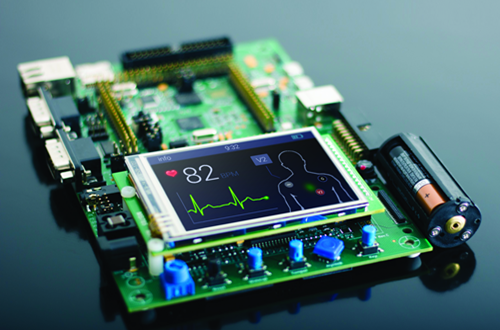
Motor driver ICs handle high currents and dissipate substantial heat, so efficient PCB design is essential to ensure proper heat dissipation and reliable performance. Below are some best practices for designing a robust PCB for motor driver ICs. 1. Use Large Copper Areas of PCB layout Copper plays a vital role in heat dissipation because it has...