Advanced Engineering Technologies for PCB & PCBA Solutions - KKPCB
 
HomeCategory

Advanced Engineering Technologies for PCB & PCBA Solutions - KKPCB

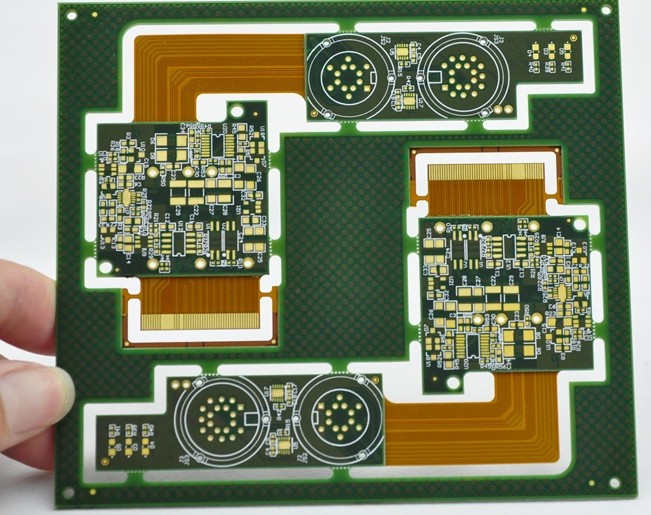
Rigid-Flex PCBs: Features, Benefits and Challenges

Introduction: The Rise of Rigid-Flex PCB Technology As modern electronics continue to evolve toward miniaturization, high reliability, and complex system integration, Rigid-Flex PCBs have become a key solution in advanced PCB design and manufacturing. By combining the strengths of rigid PCBs and flexible PCBs, Rigid-Flex PCB technology enables innovative product designs that are both compact...
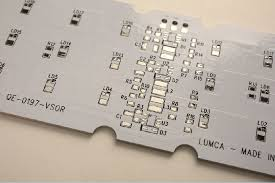

Aluminum PCB vs. Standard PCB: A Complete Guide to Finding the Right One for You!

1. Introduction: Why PCB Material Selection Matters In modern PCB design and manufacturing, material selection plays a decisive role in product performance, especially in applications involving high power density, heat dissipation, and reliability requirements. Two of the most commonly compared options are: Aluminum PCB (Metal Core PCB, MCPCB) Standard FR4 PCB Each type has unique...

Optimizing Thermostat PCB Design: Ensuring Efficient and Reliable Temperature Control Performance

In modern HVAC systems, smart homes, industrial automation, and building management, thermostats play a critical role in precise temperature regulation, energy efficiency, and user comfort. At the heart of every advanced thermostat lies a well-optimized PCB (Printed Circuit Board) that integrates sensors, microcontrollers, power management, wireless connectivity, and user interface elements. Poor PCB design can...

Multilayer PCB Manufacturing Process: A Complete Step-by-Step Guide

Multilayer PCBs (Printed Circuit Boards) are the heart of complex modern electronics, consisting of three or more conductive copper layers separated by insulating dielectric materials. Unlike simpler boards, they offer higher circuit density and improved signal integrity, making them essential for everything from smartphones to aerospace technology. Step 1: Design and Data Preparation The process...

Advantages and applications of single-sided PCB

The Single-Sided PCB (Single-Layer PCB) is the most fundamental and widely used type of circuit board in the electronics industry. Featuring a single layer of conductive copper laminated onto a rigid base material (typically FR-4 or CEM-1), these boards are the backbone of high-volume, cost-sensitive electronics. For PCB manufacturing partners like KKPCB, the single-sided board remains a staple for projects...

SMT Troubleshooting: Common Issues and Solutions for Surface Mount Technology

Surface Mount Technology (SMT) has become the industry standard for high-speed, high-density PCB assembly. However, the precision required in SMT—where components are often smaller than a grain of sand—leaves little room for error. Defects during the solder paste printing, component placement, or reflow soldering stages can lead to costly rework or total board failure. This guide identifies...

Solder Paste and Stencil Considerations for Double-Sided PCBs

The Challenge of Double-Sided PCB Assembly In modern SMT PCB assembly, double-sided PCBs are widely used to increase component density and optimize space utilization. However, assembling components on both sides of a printed circuit board introduces additional complexity in solder paste printing and stencil design. Proper control of solder paste and stencil parameters is critical...

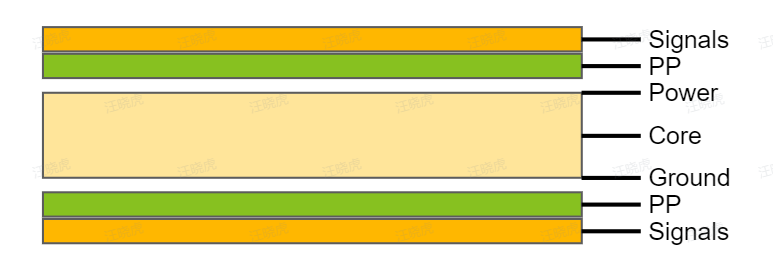
Best Formats for 4-Layer PCB Stackups

Best Formats for 4-Layer PCB Stackups A well-chosen 4-layer PCB stackup is essential for achieving excellent signal integrity, controlled impedance, effective power distribution, low EMI, and reliable manufacturing — especially in high-speed digital, mixed-signal, RF, automotive, and industrial designs. Compared to 2-layer boards, a properly configured 4-layer stackup provides dedicated reference planes, shorter return paths,...

Materials for High Temperature PCBs

High temperature PCB design is a critical aspect of modern electronics, especially in applications involving high power, harsh environments, or continuous operation. PCBs operating at high power often generate significant heat and may experience repeated thermal cycling, making material selection essential for long-term reliability and performance. While active cooling methods such as fans or heat...

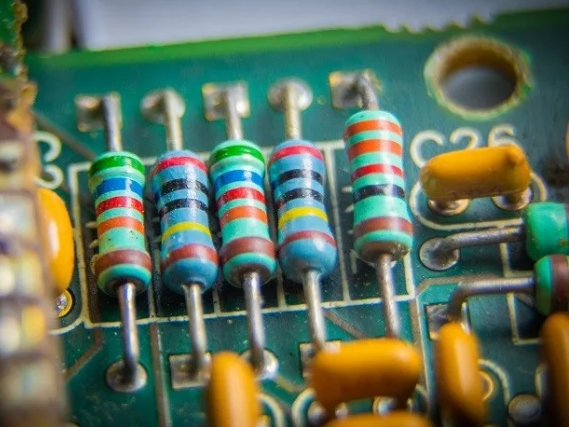
PCB Resistors and Board Design

In modern electronics, PCB resistors play a vital role in ensuring circuit stability, signal control, and power regulation. Whether in rigid circuit boards, multilayer PCBs, or advanced PCBA designs, proper resistor selection and placement are crucial for achieving optimal performance. Understanding how resistors in PCB design interact with layout and signal behavior is key to...